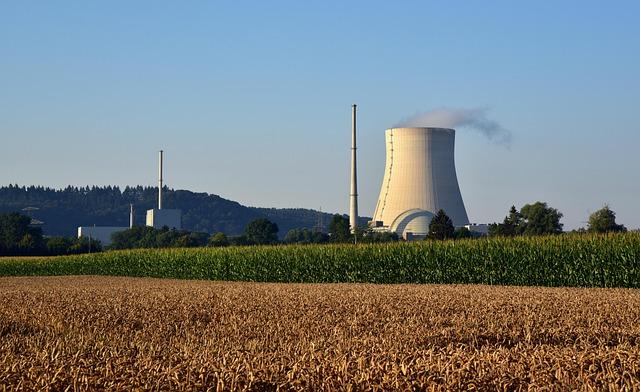
Romania has shut down its last operating nuclear reactor amid an unprecedented drought that has pushed the Danube River to record low levels, officials confirmed on Wednesday. The move underscores growing concerns over the impact of extreme weather conditions on the country’s energy infrastructure and water supply. With the Danube-a vital source for cooling nuclear plants and generating hydropower-at historic lows, authorities face mounting challenges in maintaining stable power production while addressing environmental and economic repercussions.
Romanias Last Nuclear Reactor Offline Amid Historic Danube Drought
The severe drought along the Danube River has forced Romania to take the unprecedented step of shutting down its last nuclear power reactor, a move that highlights the growing energy vulnerabilities driven by climate change. The historic low water levels in the river, critical for cooling operations, have rendered the nuclear facility inoperable, disrupting the country’s power supply and raising concerns over energy security throughout Eastern Europe.
Officials have highlighted several key impacts linked to the reactor’s shutdown:
- Reduced power generation: The outage cuts Romania’s nuclear energy contribution by nearly 20%, increasing dependence on fossil fuels and imports.
- Environmental risks: Increased reliance on coal-fired plants could lead to higher emissions amid climate challenges.
- Regional ripple effects: Neighbouring countries feel the strain from reduced energy exports and shifting grid dynamics.
| Impact Factor | Details |
|---|---|
| Water Usage | Cooling systems dependent on Danube flow |
| Energy Deficit | Approx. 700 MW offline |
| Emission Spike | Projected 10% increase in CO2 emissions |
Implications for Energy Security and Regional Power Supply Stability
The shutdown of Romania’s last operational nuclear reactor amid the Danube’s unprecedented drought presents a critical challenge to the nation’s energy security. Nuclear power plants rely heavily on water for cooling, and the dramatic drop in river levels has forced operators to halt production to avoid overheating and environmental damage. This unexpected interruption places additional strain on Romania’s electricity supply, already pressured by fluctuating renewable sources and aging infrastructure. The gap left by the nuclear sector risks destabilizing regional power grids, potentially leading to increased reliance on fossil fuels or costly electricity imports during peak demand periods.
Key implications for the energy landscape include:
- Heightened vulnerability to supply disruptions during extreme weather events.
- Increased energy import dependence from neighboring countries, potentially driving up costs.
- Urgent need for diversified and resilient cooling technologies in thermal and nuclear plants.
- Pressure on regional cooperation frameworks to manage cross-border electricity flows effectively.
| Impact Area | Short-Term Effect | Long-Term Consideration |
|---|---|---|
| Energy Supply Stability | Reduced output from nuclear sector | Investment in alternative cooling methods |
| Regional Grid | Increased cross-border power imports | Enhanced grid interconnections and cooperation |
| Energy Costs | Potential price spikes during peak demand | Transition to diversified, stable sources |
Strategic Recommendations to Mitigate Hydrological Risks and Diversify Energy Sources
Faced with the unprecedented drop of the Danube River, Romania must urgently accelerate efforts to strengthen its energy security by adopting a multifaceted approach. Prioritizing the expansion of renewable energy infrastructure is essential, particularly solar and wind power, which remain less vulnerable to hydrological fluctuations. Additionally, enhancing cross-border energy interconnections with neighboring countries will provide greater grid stability during drought-induced shortages. By coupling these measures with investments in energy storage technologies, Romania can create a more resilient system capable of responding swiftly to environmental stresses.
Beyond renewables, diversifying energy portfolios requires modernizing existing power plants and incentivizing innovation in emerging technologies such as green hydrogen and biomass. The government and industry stakeholders should also focus on demand-side management strategies, leveraging smart grids and efficiency programs to reduce peak loads. The table below outlines key actions and their expected benefits in addressing hydrological risks and energy diversification:
| Strategic Action | Expected Benefit |
|---|---|
| Expansion of Solar & Wind Farms | Reduced reliance on water-dependent energy |
| Grid Interconnections | Enhanced regional energy security |
| Energy Storage Solutions | Stabilized supply during shortages |
| Green Hydrogen & Biomass Development | Alternative, sustainable fuel sources |
| Smart Grid & Demand Management | Optimized energy consumption |
The Way Forward
Romania’s decision to shut down its last nuclear reactor amid the record low water levels of the drought-stricken Danube highlights the growing challenges facing the country’s energy sector. As climate change continues to impact critical resources, authorities must navigate the delicate balance between ensuring energy security and addressing environmental constraints. The closure marks a significant moment in Romania’s energy landscape, underscoring the urgent need for sustainable and resilient energy solutions in the face of evolving climate risks.