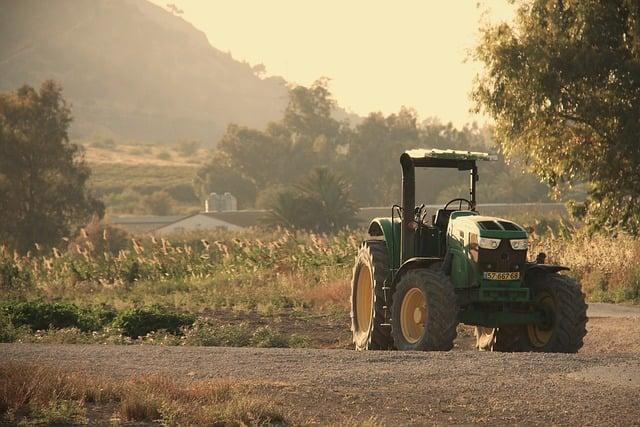
A wildfire that broke out near the Luxembourg border in Belgium is suspected to have been caused by farm machinery, authorities have reported. The blaze, which rapidly spread across dry terrain, prompted emergency services to launch a large-scale response to contain the flames and prevent further damage. Investigators are currently examining the equipment involved as they work to determine the exact origin of the fire. This incident highlights growing concerns over wildfire risks in the region amid increasingly dry conditions.
Farm Equipment Under Scrutiny in Investigation of Belgian Wildfire Origin
Authorities investigating the devastating wildfire near the Belgian-Luxembourg border are focusing on farm machinery as a potential ignition source. Early findings suggest that agricultural equipment operating in dry, windy conditions may have sparked the blaze, which quickly spread across several hectares of forest and farmland. Experts highlight that the combination of intense heat, low humidity, and mechanical sparks from equipment such as tractors and harvesters often poses a significant fire risk during the peak farming season.
Investigators are examining:
- The exact model and condition of the machinery used in the area
- Maintenance records related to fire prevention systems
- The timeline of farm activities on the day the fire broke out
| Farm Machinery | Potential Risk Factor | Status |
|---|---|---|
| Combine Harvester | Sparks from clogged exhaust | Under Inspection |
| Tractor | Overheated engine parts | Checked and Cleared |
| Baling Machine | Electrical malfunction | Waiting for Analysis |
Environmental Impact and Response Measures Following Fire Near Luxembourg Border
Authorities have reported significant environmental damage as a result of the wildfire near the Luxembourg border. Vast swathes of forest and farmland were consumed by the rapidly spreading flames, devastating local biodiversity and disrupting fragile ecosystems. Soil erosion and air quality deterioration are anticipated to have lasting effects on the immediate region, impacting both wildlife habitats and nearby communities. Emergency environmental assessments are currently underway to determine the full scope of damage and to initiate rehabilitation efforts.
Response measures have been swift and multifaceted, focusing on containment, restoration, and prevention. Firefighting units deployed advanced aerial and ground equipment, while local authorities coordinated evacuations to safeguard residents. In addition, environmental agencies have outlined plans incorporating:
- Reforestation programs aiming to restore native flora
- Soil stabilization techniques to prevent erosion
- Air quality monitoring to track pollutant levels
- Community awareness campaigns on fire safety and prevention
| Response Aspect | Status | Timeline |
|---|---|---|
| Fire Containment | Completed | Within 3 days |
| Damage Assessment | Ongoing | 2 weeks |
| Reforestation | Planned | 3-6 months |
| Community Outreach | Initiated | Immediate to ongoing |
Safety Protocols for Farm Machinery to Prevent Future Wildfires in Cross-Border Regions
To minimize the risk of farm machinery igniting wildfires, especially in vulnerable cross-border regions like those near Belgium and Luxembourg, adopting stringent safety protocols is essential. Farmers and machinery operators must conduct regular maintenance checks to ensure that equipment such as tractors and harvesters are free from sparks, overheating components, and fuel leaks. Using spark arresters on exhaust systems and avoiding machinery use during extreme drought or high wind conditions can drastically reduce fire hazards. Moreover, creating buffer zones with cleared vegetation around operational fields serves as a natural firebreak, limiting potential fire spread across borders.
Key preventive measures include:
- Routine inspection and cleaning of machinery to remove flammable debris
- Implementation of no-operation periods during peak fire risk days
- Training for operators on emergency response and early fire detection
- Coordination between neighboring countries to standardize safety practices
| Protocol | Description | Priority |
|---|---|---|
| Machinery Maintenance | Regular checks for sparks and leaks | High |
| Operation Restrictions | No use during drought or wind | High |
| Operator Training | Fire awareness and response | Medium |
| Cross-Border Coordination | Unified safety standards | High |
Insights and Conclusions
As investigations continue, authorities are focusing on farm machinery as the potential cause of the recent wildfire near the Belgium-Luxembourg border. Officials urge farmers and residents in the region to exercise increased caution during agricultural activities, particularly in dry conditions, to prevent further incidents. Updates will be provided as more information becomes available.