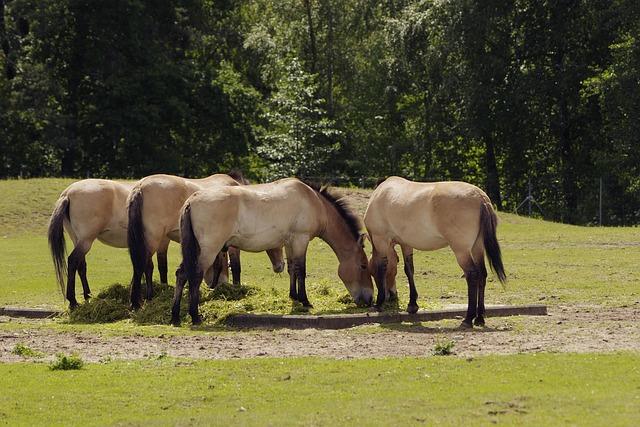
Kazakhstan has marked a historic milestone in wildlife conservation with the birth of its first wild-born Przewalski’s horse in over 200 years. This rare event not only signifies a remarkable achievement in the preservation of one of the world’s last truly wild horse species but also highlights the success of ongoing efforts to restore native fauna to the Central Asian steppes. Conservationists and biologists alike are celebrating this moment as a hopeful sign for biodiversity and the future of endangered wildlife across the region.
Kazakhstan Marks Historic Birth of Przewalski’s Horse in the Wild
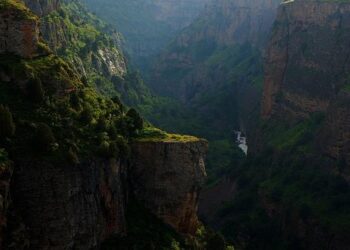
In a groundbreaking achievement for conservationists and wildlife enthusiasts alike, Kazakhstan has witnessed the birth of the first Przewalski’s horse foal in the wild in over two centuries. This milestone marks a significant victory in the ongoing efforts to reintroduce and protect Equus ferus przewalskii, a species once considered extinct in its natural habitat. The foal, born in the expansive steppes of the Altyn-Emel National Park, represents hope for the revival of an animal that holds a unique place in Eurasian ecological history. Experts believe that such successful natural breeding signals the restoration of a balanced ecosystem where native species can thrive.
Conservation programs, supported by both local authorities and international wildlife organizations, have employed a multifaceted approach including habitat restoration, anti-poaching patrols, and genetic diversity monitoring. Key components of the reintroduction strategy are highlighted below:
- Captive breeding: Maintaining genetically diverse populations in reserves.
- Soft release methods: Gradual transition from captivity to wilderness.
- Community engagement: Educating locals to sustain long-term protection.
- Scientific monitoring: Tracking health, movement, and behavior post-release.
| Year | Population Status | Milestone |
|---|---|---|
| 1920 | Extinct in wild | Last wild sighting in Kazakhstan |
| 1990 | Captive Breeding Programs | Global zoo networks established |
| 2005 | Reintroduction | First reintroduction to Altyn-Emel |
| 2024 | Wild-born Foal | First natural birth in 200 years |
Conservation Efforts Behind the Revival of an Endangered Species
Decades of unwavering dedication by Kazakhstani conservationists and international experts have culminated in the historic birth of a wild Przewalski’s horse, a species once declared extinct in the wild. Central to this extraordinary achievement are several strategic initiatives, including habitat restoration, anti-poaching patrols, and advanced breeding programs. These efforts were supported by local communities and global NGOs, working in tandem to ensure the fragile ecosystem could sustain these iconic horses. The reintroduction program focused on reestablishing natural behaviors by minimizing human contact, facilitating a smoother transition from captivity to wild habitats.
The success factors can be summarized in key pillars:
- Genetic diversity management: Careful breeding plans preserved the species’ genetic health.
- Protected reserve expansion: Increased land area for free-range movement and grazing.
- Community engagement: Local herders trained as wildlife guardians and ecological stewards.
- Monitoring technology: Use of GPS collars and remote cameras to track herd dynamics.
| Year | Wild Born Foals | Population Growth (%) |
|---|---|---|
| 2020 | 0 | 0% |
| 2023 | 1 | 5% |
| 2024 | 3 | 20% |
Recommendations for Sustaining Wild Przewalski’s Horse Populations in Central Asia
Ensuring the long-term survival of the Przewalski’s horse requires collaborative conservation efforts that extend beyond protected reserves. Local communities must be actively engaged through education and sustainable livelihood programs that foster coexistence and reduce potential threats such as poaching or habitat disruption. In addition, continuous genetic monitoring and managed breeding programs play a critical role in maintaining genetic diversity, which is indispensable to resilience against disease and environmental changes. Strengthening transboundary cooperation between Central Asian nations will amplify the effectiveness of these measures by creating ecological corridors and harmonizing conservation policies.
Key strategic actions include:
- Expanding and connecting protected areas to enable natural migration and gene flow.
- Implementing anti-poaching patrols with community involvement and modern technology.
- Promoting scientific research on habitat restoration and climate adaptation.
- Establishing captive breeding centers linked to wild populations for genetic reinforcement.
- Enhancing public awareness campaigns that highlight the cultural and ecological value of the species.
| Conservation Focus | Immediate Action | Long-term Goal |
|---|---|---|
| Habitat Protection | Expand protected zones by 15% | Establish functioning habitat corridors |
| Genetic Diversity | Introduce 10 new individuals annually | Maintain minimum effective population of 500 |
| Community Engagement | Conduct monthly workshops | Achieve local stewardship certification |
The Conclusion
The successful birth of Kazakhstan’s first wild-born Przewalski’s horse in over two centuries marks a significant milestone in conservation efforts for this endangered species. This achievement not only highlights the resilience of wildlife in Central Asia but also underscores the importance of continued habitat protection and international collaboration. As Kazakhstan celebrates this remarkable event, the global community is reminded of the enduring impact of dedicated conservation initiatives in restoring biodiversity and securing the future of threatened species.