As climate change intensifies and droughts become more frequent, Switzerland is pioneering innovative approaches to safeguard its forests from the growing threat of wildfires. In a country renowned for its lush landscapes and extensive woodlands, traditional methods of fire prevention are being reevaluated. Under the headline “We can’t water a forest,” Swiss authorities are now testing a novel forestry technique aimed at enhancing the resilience of forests without relying on irrigation. This initiative, covered by Le Monde.fr, marks a significant shift in wildfire management strategies amid rising environmental challenges across Europe.
Switzerland’s Innovative Forestry Technique Aims to Combat Increasing Wildfire Risks
Switzerland’s approach to wildfire prevention is shifting towards sustainable forest management techniques that prioritize resilience over suppression. Recognizing that simply increasing water supply is not feasible – “we can’t water a forest,” as experts emphasize – Swiss forestry authorities are experimenting with targeted thinning and selective clearing to reduce fuel loads and enhance natural firebreaks. This strategy aims to mimic natural forest dynamics, allowing trees more space and resources, which results in healthier stands less vulnerable to devastating blazes.
Key elements of the method include:
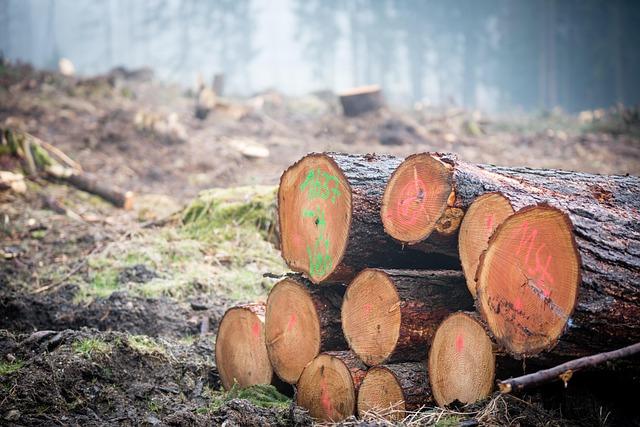
- Selective thinning: Removing smaller, dense underbrush to decrease ignition sources
- Mixed-species planting: Encouraging biodiversity that fosters fire resistance
- Promoting natural firebreaks: Utilizing clearings, rivers, and variations in terrain strategically
These measures also carry ecological benefits, bolstering habitat diversity while creating forests better adapted to a changing climate. Preliminary tests across multiple cantons show promise, potentially setting a blueprint for wildfire management in other mountainous regions.
| Technique | Objective | Expected Outcome |
|---|---|---|
| Thinning | Reduce fuel availability | Lower fire intensity |
| Mixed-species planting | Increase biodiversity | Improve forest resilience |
| Natural firebreaks | Limit fire spread | Containment zones |
Experts Analyze the Effectiveness of Controlled Thinning and Reforestation Practices
Forestry experts widely recognize controlled thinning as a critical step toward reducing wildfire risks. By selectively removing smaller, vulnerable trees and underbrush, this practice decreases forest density, limiting the fuel available for infernos. Reforestation complements this by introducing diverse, fire-resistant species that promote long-term resilience. Researchers in Switzerland emphasize that these methods, when combined thoughtfully, create a structurally balanced woodland, which can interrupt the rapid spread of flames and protect vital ecosystems.
Recent analyses highlight key benefits observed during pilot projects:
- Enhanced moisture retention: Thinned areas show improved soil hydration dynamics, crucial during dry spells.
- Increased biodiversity: Reforested zones support a wider variety of flora and fauna, boosting ecological health.
- Reduced fire intensity: Controlled thinning lowers the risk of crown fires, leading to smaller, more manageable blazes.
| Method | Primary Outcome | Implementation Timeframe |
|---|---|---|
| Controlled Thinning | Less fuel accumulation | 1-2 years |
| Reforestation | Increased forest resilience | 3-5 years |
Recommendations for Adapting Forest Management Policies in Response to Climate Change
Adapting forest management policies in the face of escalating wildfire risks demands a shift away from traditional, water-dependent approaches. Instead, policymakers should prioritize resilience-building strategies that enhance the natural robustness of forests. This involves implementing controlled thinning practices to reduce fuel loads, promoting species diversity that can withstand drought conditions, and restoring wetlands to maintain local microclimates. Emphasizing prevention over reaction, these strategies recognize the limits of human intervention in vast forest ecosystems – illustrating why “we can’t water a forest” effectively during periods of extreme heat and dryness.
Key recommendations include:
- Adaptive thinning: Targeting overgrown areas to diminish fire intensity risk.
- Species diversification: Encouraging planting of drought-resistant native species.
- Landscape connectivity: Creating firebreaks that also serve as wildlife corridors.
- Community engagement: Involving local populations in prevention and rapid response plans.
| Policy Focus | Goal | Expected Outcome |
|---|---|---|
| Fuel load reduction | Decrease combustible materials | Lower wildfire intensity |
| Species mix adjustments | Enhance forest drought resilience | Improved ecosystem stability |
| Community involvement | Foster collective forest stewardship | Faster wildfire response |
To Wrap It Up
As climate change continues to heighten the risk of wildfires across Europe, Switzerland’s innovative forestry method represents a proactive step toward safeguarding its forests. While the approach acknowledges the limits of firefighting resources-“we can’t water a forest”-it emphasizes prevention and resilience through strategic forest management. The results of these trials will be closely watched, potentially offering a model for other countries facing similar threats in a warming world.