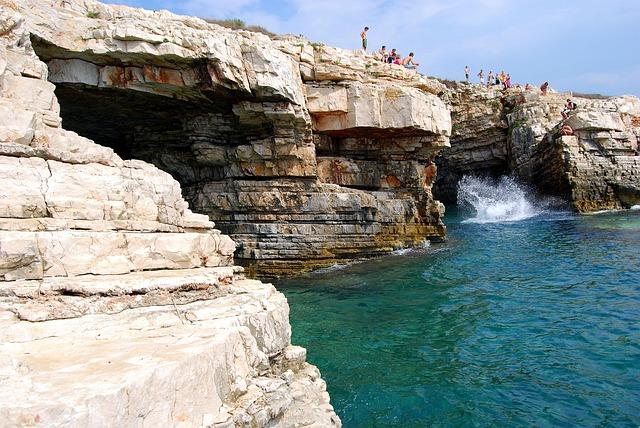
Cape Kamenjak, one of Croatia’s most treasured natural landmarks, is grappling with increasing tourism pressure despite a recent decline in visitor numbers. Located at the southern tip of the Istrian Peninsula, the protected area is renowned for its rugged coastline, crystal-clear waters, and diverse wildlife. However, concerns are mounting among local authorities and environmentalists as the fragile ecosystem faces mounting strain from development, infrastructure demands, and seasonal influxes of tourists. This paradox highlights the complex challenges of balancing conservation efforts with sustainable tourism in a region that remains a magnet for travelers seeking unspoiled Mediterranean beauty.
Cape Kamenjak Experiences Environmental Strain Amid Declining Visitor Numbers
Despite a noticeable drop in visitor numbers this season, Cape Kamenjak continues to face significant environmental challenges. The natural reserve, renowned for its pristine beaches and unique biodiversity, grapples with the cumulative impact of years of unchecked tourism activities. Increased foot traffic in sensitive areas, combined with inadequate waste management and infrastructure strain, has exacerbated soil erosion and disturbed native habitats. Locals and environmentalists alike have raised concerns that even with fewer tourists, the region’s fragile ecosystem is struggling to recover.
Efforts to mitigate the damage are underway, but experts warn that without sustainable planning, Cape Kamenjak’s environmental strain will persist. Key pressure points currently include:
- Unregulated trails: Unauthorized paths cause vegetation loss and habitat fragmentation.
- Marine pollution: Rising debris levels affect marine life despite reduced boat tours.
- Waste disposal: Increased littering in picnic and camping areas overwhelms local services.
| Year | Visitor Count | Reported Environmental Incidents | Waste Collected (tons) |
|---|---|---|---|
| 2020 | 120,000 | 45 | 15 |
| 2022 | 98,000 | 50 | 18 |
| 2023 | 85,000 | 57 | 20 |
Local Authorities and Conservationists Call for Enhanced Sustainable Tourism Measures
Amid ongoing concerns about environmental degradation, local authorities and conservationists are urging the implementation of stricter sustainable tourism policies at Cape Kamenjak. Despite a recent dip in visitor numbers, the ecological footprint remains significant due to concentrated high-impact activities such as off-road biking, unregulated camping, and increased boat traffic in sensitive marine zones. Officials stress the importance of balancing tourism revenue with the preservation of the park’s unique biodiversity and fragile ecosystems.
Key proposals currently under discussion include:
- Introducing visitor caps during peak months to reduce crowding and habitat disruption.
- Enhanced monitoring and penalization for unauthorized activities within protected areas.
- Promoting eco-friendly transport options to limit carbon emissions and road wear.
- Community-driven educational programs aimed at raising awareness about conservation efforts.
| Measure | Expected Impact | Timeline |
|---|---|---|
| Visitor Quotas | Reduce overcrowding, protect habitats | Summer 2024 |
| Improved Enforcement | Decrease illegal activities | Ongoing |
| Eco-Transport Initiatives | Lower emissions, less traffic | Late 2024 |
Experts Advocate for Improved Infrastructure and Visitor Education to Protect Fragile Ecosystems
Environmental specialists and park authorities emphasize that safeguarding Cape Kamenjak’s delicate habitats requires a multifaceted approach combining robust infrastructure upgrades with comprehensive visitor awareness programs. They argue that without proper pathways, signage, and waste disposal systems, even the reduced number of tourists pose significant risks to the region’s flora and fauna. Experts propose the installation of eco-friendly walkways and designated viewing zones to minimize trampling on sensitive vegetation, while also enhancing monitoring efforts to prevent unintended environmental degradation.
Increasing public understanding is equally vital. Professionals advocate for targeted educational campaigns aimed at fostering responsible behaviors among visitors. Key initiatives include:
- Informative brochures and guided tours highlighting the ecological value of the park.
- Interactive visitor centers with digital displays explaining local biodiversity and conservation efforts.
- Clear signage to warn against disturbing wildlife or littering.
| Proposed Measures | Impact | Priority |
|---|---|---|
| Eco-friendly pathways | Protect ground cover, reduce erosion | High |
| Visitor education programs | Promote responsible tourism | Medium |
| Waste management stations | Reduce pollution and litter | High |
The Conclusion
As Cape Kamenjak continues to grapple with the environmental and infrastructural challenges posed by tourism, local authorities and stakeholders face mounting pressure to implement sustainable measures that balance visitor interest with conservation efforts. Despite a recent decline in tourist numbers, the region’s unique natural beauty and cultural significance remain magnets for travelers, underscoring the urgent need for responsible management to preserve Cape Kamenjak for future generations. The coming months will be crucial in determining whether policy changes and community engagement can effectively address the growing strains on this prized Croatian destination.