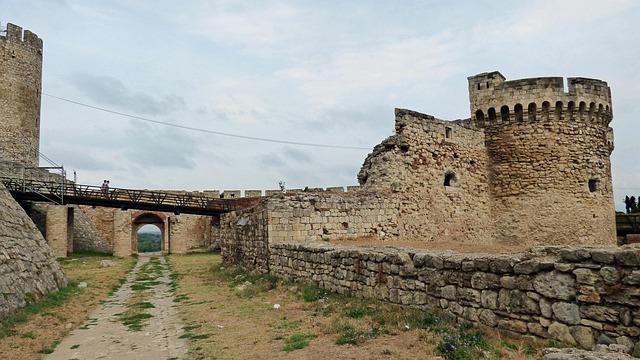
As Serbia approaches a pivotal election, the nation finds itself delicately balancing its relationships with both the European Union and Russia. Amid ongoing geopolitical tensions in the region, Belgrade’s strategic positioning continues to keep both Western and Eastern powers engaged, underscoring Serbia’s complex role at the crossroads of competing interests. This article examines how Serbia navigates its foreign policy ahead of the vote, as EU integration ambitions intertwine with longstanding ties to Moscow.
Serbia Balances Geopolitical Interests as Election Approaches
As Serbia approaches a pivotal election, the nation is carefully navigating its complex web of international relations, maintaining a delicate balance between Brussels and Moscow. While efforts to align closer with the European Union continue, the Serbian government steadfastly preserves its historic ties with Russia, recognizing the strategic and economic advantages this dual approach offers. This balancing act is reflected in Serbia’s diplomatic engagements, trade priorities, and energy partnerships, all tailored to maximize political leverage and economic stability during a time of regional uncertainty.
Key dynamics shaping Serbia’s geopolitical stance include:
- EU Integration Prospects: Serbia’s ongoing negotiations for EU membership emphasize reforms and alignment with EU standards to attract investment and political support.
- Russian Influence: Continuing energy dependence, military cooperation, and cultural ties fortify Serbia’s relationship with Moscow, acting as a counterbalance to Western pressures.
- Regional Stability: Balancing relations helps maintain influence in the Western Balkans, where ethnic, political, and economic dynamics remain volatile.
| Aspect | EU Position | Russia Position |
|---|---|---|
| Trade Relations | Growing exports and EU funding programs | Energy imports, particularly natural gas |
| Political Support | Democracy and rule-of-law reforms | Support for sovereignty and non-alignment |
| Security Cooperation | NATO Partnership (non-member) | Joint military exercises |
Analyzing the Impact of EU and Russian Influence on Serbian Voters
Serbian voters face a complex choice as both the European Union and Russia maintain significant sway over the country’s political landscape. The EU’s appeal centers on promises of economic development, institutional reform, and eventual membership, which resonates strongly with younger and urban demographics eager for modernization and integration into Western markets. Meanwhile, Russia’s influence is deeply rooted in historical ties, cultural affinity, and strategic cooperation, particularly in energy and military spheres. This duality shapes voter preferences, often forcing citizens to weigh pragmatic benefits against ideological loyalty.
- EU Prospects: Economic aid packages, visa liberalization, and trade incentives.
- Russian Appeal: Energy subsidies, cultural solidarity, and geopolitical alignment.
- Voter Impact: Electoral messages framed around sovereignty versus progress narratives.
| Influence Factor | EU | Russia |
|---|---|---|
| Economic Incentives | Access to EU funds and markets | Discounted energy supplies |
| Political Support | Democracy and governance reforms | Preservation of traditional values |
| Voter Demographics | Younger, urban, educated | Older, rural, nationalist |
Strategic Recommendations for Navigating Serbia’s Political Crossroads
As Serbia approaches a pivotal election, balancing relations with both the European Union and Russia demands a nuanced approach. Policymakers should prioritize diplomatic agility by maintaining open communication channels with Brussels while managing Moscow’s traditional influence carefully. Emphasizing economic diversification can reduce dependency on any single partner, enabling Serbia to leverage benefits from multiple fronts without alienating key allies. Furthermore, promoting transparency and adherence to democratic standards will bolster Serbia’s international credibility, helping to navigate external pressures more effectively.
Strategic considerations must also focus on internal cohesion and public sentiment. Leaders are advised to:
- Strengthen institutional checks to ensure electoral integrity and public trust.
- Encourage dialogue between pro-European and pro-Russian factions to avoid polarization.
- Invest in infrastructure projects that appeal to both Western and Eastern partners.
| Focus Area | Recommended Action | Expected Outcome |
|---|---|---|
| Diplomatic Relations | Engage diplomatically with EU and Russia | Balanced foreign influence |
| Economic Policy | Diversify trade partnerships | Greater economic resilience |
| Domestic Governance | Enhance election transparency | Improved public trust |
Wrapping Up
As Serbia approaches its pivotal election, the nation’s delicate balancing act between the European Union and Russia remains a defining feature of its foreign policy. How Belgrade navigates this geopolitical tightrope will not only influence its own future trajectory but also the broader dynamics of the Balkan region. Observers and stakeholders alike will be watching closely as Serbia seeks to maintain its strategic partnerships while addressing internal political and economic challenges in the months ahead.