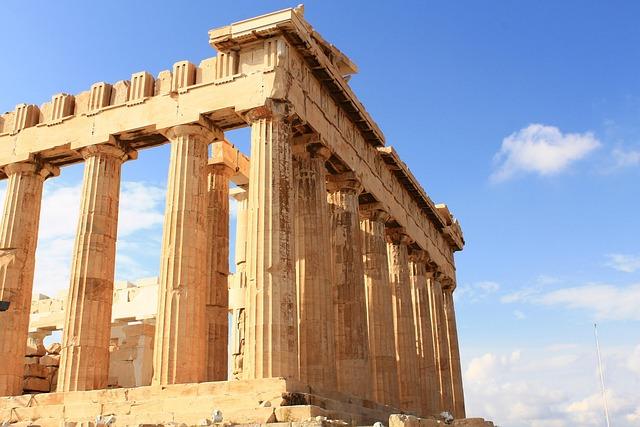
In a development that has reignited tensions over cultural heritage, Britain has agreed to lend the renowned Parthenon Marbles to a prominent museum in Frankfurt, Germany. The move comes amid ongoing disputes with Greece, which has long demanded the return of the ancient sculptures to Athens. Greek officials have firmly rejected the loan, reiterating calls for the marbles’ permanent repatriation. The decision underscores the complex and contentious debate surrounding ownership and stewardship of these priceless artifacts.
Britain Approves Loan of Parthenon Marbles to Frankfurt Amid Ongoing Dispute
Britain’s decision to loan the Parthenon Marbles to a museum in Frankfurt has reignited tensions with Greece, which insists that the sculptures are an integral part of its cultural heritage and belong in Athens. The UK authorities authorized the temporary transfer of key pieces from the British Museum’s collection, aiming to promote international cultural exchange. However, Greek officials condemned the move, reiterating their longstanding demand for the artifacts’ permanent return to the Acropolis Museum. The controversy highlights the complex dynamics of provenance, cultural identity, and the ethics of museum collections worldwide.
The loan agreement specifies several conditions designed to safeguard the marbles during their exhibition in Germany, including strict climate control and security measures. However, Greece criticizes these arrangements as inadequate substitutes for full restitution. Below is a summary of key points surrounding the dispute:
- Loan Duration: 18 months, renewable upon mutual consent
- Location: Frankfurt’s Museum of Classical Antiquities
- Greek Position: Sees loan as temporary and insufficient
- British Position: Emphasizes legal ownership and global accessibility
| Aspect | Britain | Greece |
|---|---|---|
| Ownership Claim | Legal purchase in early 19th century | Cultural patrimony and rightful heritage |
| Exhibition | Global accessibility via British Museum | Permanent display at Acropolis Museum |
| Loan Terms | Temporary with strict conditions | Demand for permanent return |
Greece Firmly Rejects Loan Citing Cultural Heritage and Ownership Claims
Greece has emphatically declined the UK’s decision to lend the Parthenon Marbles to a Frankfurt museum, reiterating its longstanding stance that these priceless artifacts are integral to Greek heritage and must remain united in Athens. Greek officials emphasized that the marbles are not merely art pieces but symbols of national identity and cultural continuity, making any external relocation unacceptable. The Hellenic Ministry of Culture issued a statement underscoring that such loans undermine international conventions on cultural property and violate the ethical responsibility of custodianship agreed upon by museums worldwide.
The Greek government also highlighted that the marbles were originally part of the Parthenon temple on the Acropolis and were removed under contentious historical circumstances. Greece’s position is supported by prominent archaeologists and international organizations advocating for cultural restitution. To illustrate Greece’s primary objections, here is a list of core concerns:
- Ownership Legitimacy: Greece asserts legal and moral claims based on provenance and historical context.
- Cultural Integrity: Fragmenting the marbles disrupts the narrative of the Parthenon as a complete monument.
- Precedent Risks: Allowing loans abroad might encourage further dispersion of cultural treasures.
| Key Point | Greek Position |
|---|---|
| Historical Ownership | Claims rightful heritage and calls for permanent reunification |
| Cultural Significance | Essential for national identity; part of Athens’ legacy |
| International Law | Emphasis on UNESCO conventions supporting repatriation |
Experts Urge Diplomatic Dialogue and Propose Long-Term Collaborative Solutions
Amidst mounting tensions surrounding the temporary relocation of the Parthenon Marbles, cultural heritage experts emphasize the necessity of sustained diplomatic engagement. They argue that unilateral decisions risk exacerbating historical grievances and advocate for establishing a bilateral framework to address contentious cultural property issues. Such dialogue would prioritize *mutual respect,* transparency, and shared stewardship principles to prevent future conflicts.
Proposals from leading scholars and mediators include:
- Joint exhibitions alternating between countries to enhance cultural exchange.
- Co-managed conservation programs leveraging shared expertise.
- Creation of an international advisory board inclusive of Greek and British representatives.
| Proposed Initiative | Objective | Timeline |
|---|---|---|
| Joint Exhibitions | Foster Cultural Understanding | 2-3 years |
| Co-Managed Conservation | Preserve Artifacts | Ongoing |
| International Advisory Board | Governance & Mediation | 1 year setup |
Wrapping Up
As the cultural tug-of-war over the Parthenon Marbles continues, Britain’s decision to lend the iconic artifacts to a Frankfurt museum has once again spotlighted longstanding tensions with Greece, which insists on their permanent return. The dispute underscores deeper questions about heritage, ownership, and international diplomacy that remain unanswered. For now, the marbles’ journey remains a contentious chapter in the ongoing dialogue between nations seeking to reconcile history with modern cultural values.