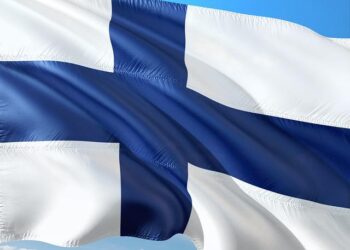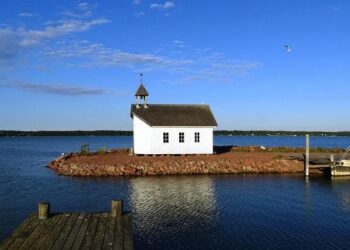
A Moldovan delegation recently visited Finland to study the Åland Islands model of autonomy and governance, seeking insights that could inform Moldova’s own regional development and conflict resolution efforts. Organized in collaboration with the CMI – Martti Ahtisaari Peace Foundation, the visit highlights Moldova’s growing interest in exploring innovative frameworks for self-governance and peaceful coexistence amid ongoing political challenges. The delegation’s engagement with Finnish officials and Åland representatives underscores the potential of this Nordic autonomy example as a reference point for Moldova’s evolving territorial and administrative landscape.
Moldovan Delegation Examines Åland Islands Governance Framework for Regional Autonomy Insights
The Moldovan delegation recently visited the Åland Islands to gain firsthand experience of one of the world’s most recognized models of regional autonomy. The mission focused on understanding how the Åland Islands balance self-governance with the broader national framework of Finland, exploring key features such as linguistic protections, local legislative power, and economic management. Discussions with Åland’s local government officials revealed a complex yet effective system where the islands exercise significant control over cultural affairs, education, and environmental policies, all while remaining an integral part of the Finnish state.
Key aspects examined by the delegation included:
- Legislative Autonomy: The Åland Parliament’s authority to pass laws on matters specific to the islands’ needs.
- Demilitarization Status: How the islands maintain a unique defense and security arrangement, contributing to regional stability.
- Language Rights: The protection and promotion of Swedish as the official language, fostering cultural identity.
- Economic Self-Governance: Control over local taxation and use of natural resources to support sustainable development.
| Governance Element | Åland Islands | Relevance to Moldova |
|---|---|---|
| Legislative Power | Own regional parliament | Potential model for local legislative bodies |
| Language Protection | Official Swedish language status | Framework for minority language rights |
| Security Arrangements | Demilitarized zone | Insights on regional security cooperation |
| Economic Control | Local taxation and resource management | Tools for regional economic autonomy |
Lessons from Finland How the Åland Model Can Inform Moldova’s Self-Governance Strategies
Finland’s Åland Islands present a compelling example of successful autonomy within a larger state framework, showcasing a carefully balanced approach between local self-governance and national unity. Moldovan officials engaged firsthand with Åland’s regional government to analyze key elements such as legislative independence, cultural preservation, and economic self-management. Of particular note were Åland’s bilateral negotiation mechanisms and its robust legal framework protecting linguistic rights, which highlight how decentralized governance can foster stability and community cohesion in diverse regions.
The delegation also focused on Åland’s practical tools aimed at empowering local decision-making, including:
- Exclusive tax legislation enabling tailored fiscal policies;
- Control over natural resources enhancing economic autonomy;
- Structured dialogue with the Finnish government ensuring continuous political cooperation.
These pillars present adaptable methods for Moldova in navigating its complex regional dynamics through meaningful autonomy while safeguarding national integrity. The exchange of knowledge highlights how balancing legal autonomy with intergovernmental collaboration can pave the way for peaceful governance models in contested or multi-ethnic territories.
| Åland Model Feature | Key Benefit | Potential Application in Moldova | |||||||||||||
|---|---|---|---|---|---|---|---|---|---|---|---|---|---|---|---|
| Legislative Autonomy | Local lawmaking powers tailored to community needs | Regional parliaments empowered with decision-making authority | |||||||||||||
| Language Protection | Preservation of regional language and culture | Strengthening rights of minority language speakers | |||||||||||||
| Experts Recommend Adopting Åland’s Legal and Administrative Features to Strengthen Moldovan Autonomy Efforts
Specialists involved in the Moldovan delegation’s recent study visit to Finland unanimously emphasized the critical value of Åland’s unique blend of legal autonomy and administrative structure as a guiding framework for Moldova’s ongoing quest for enhanced self-governance. Åland’s robust legislative assembly, combined with its tailored local governance mechanisms, provides a concrete example of how minority regions can thrive under a decentralized system that respects both cultural identity and national unity. Experts highlighted that integrating similar features-such as exclusive regional legislative powers and a distinct legal framework-could facilitate Moldova’s Transnistrian region in gaining meaningful autonomy while maintaining state integrity. Key takeaways from the Åland model that the delegation recommends for Moldovan policymakers include:
Insights and ConclusionsAs the Moldovan delegation concludes its visit to Finland, the insights gained from studying the Åland Islands’ unique autonomy model offer valuable perspectives for Moldova’s ongoing dialogue on governance and regional self-determination. The collaboration, facilitated by the CMI – Martti Ahtisaari Peace Foundation, underscores the importance of international exchange in addressing complex political challenges. Moving forward, the experiences shared during this visit may serve as a foundation for Moldova’s efforts to strengthen peaceful coexistence and democratic governance within its diverse communities. ADVERTISEMENT  Related Posts |