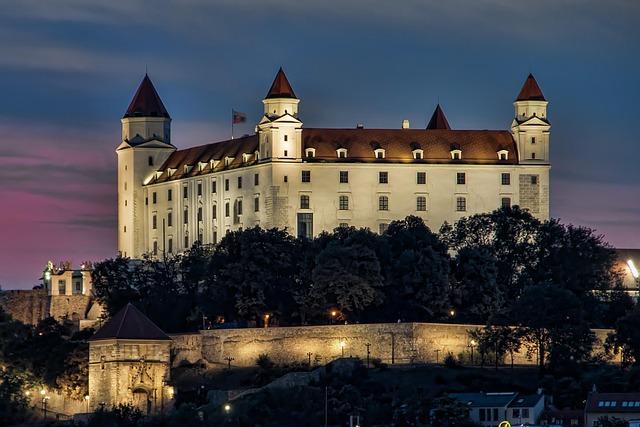
Slovakia has emerged as a key dissenting voice within the European Union by rejecting the bloc’s proposal to extend sanctions on Russia for an additional 12 months. The move highlights growing divisions among member states over how to handle ongoing tensions with Moscow amidst the conflict in Ukraine. As Brussels seeks to maintain a unified front, Slovakia’s stance underscores the complex diplomatic challenges facing the EU in balancing geopolitical strategy with national interests.
Slovakia Pushes Back Against Extended Russia Sanctions Mandate
Slovakia has voiced strong opposition to the European Union’s proposal to extend the current sanctions regime against Russia for an additional 12 months. Officials argue that the lengthy mandate could have adverse economic consequences, particularly for member states with close trade ties to Moscow. The Slovak government is calling for a more flexible approach, emphasizing the need to balance geopolitical pressures with domestic economic stability. Diplomats from Bratislava have highlighted concerns about the impact on industries such as energy, automotive parts, and agriculture, which have experienced supply chain disruptions and increased costs linked to the sanctions.
Key points raised by Slovakia include:
- Economic resilience: Urging the EU to assess sanctions’ effects on vulnerable sectors before committing to a prolonged timeline.
- Diplomatic leverage: Arguing that a rigid sanctions schedule limits tactical flexibility in negotiations.
- Regional stability: Stressing possible risks to energy security and regional interconnectivity if sanctions remain unaltered.
| Sector | Sanctions Impact | Slovakia’s Concern |
|---|---|---|
| Energy | Supply restrictions | Potential price spikes, supply volatility |
| Automotive | Component shortages | Production delays, job risks |
| Agriculture | Export barriers | Market access limitations |
Implications for EU Unity and Future Sanction Strategies
Slovakia’s refusal to commit to a fixed 12-month timeline for Russia sanctions highlights growing fractures within the European Union’s consensus-driven policy framework. This move not only challenges the narrative of unified resolve but also raises questions about the adaptability of EU foreign policy amid shifting geopolitical realities. Member states’ divergent economic dependencies on Russia and varying political domestic pressures underscore the complexities of maintaining a harmonious approach. The Slovak position may encourage others to reconsider rigid sanction durations, potentially leading to more negotiated and flexible frameworks in the future.
The reluctance to lock in sanctions long-term necessitates a strategic reassessment across the bloc, with implications including:
- Greater emphasis on periodic reviews: Sanctions may become subject to more frequent evaluations to respond dynamically to developments on the ground.
- Enhanced dialogue mechanisms: Ensuring minority dissenting views are incorporated to sustain solidarity.
- Potential for adaptive sanction models: Combining targeted economic measures with diplomatic incentives for effective leverage.
| Aspect | Current EU Stance | Post-Slovakia Implication | ||||||||||||||||||||
|---|---|---|---|---|---|---|---|---|---|---|---|---|---|---|---|---|---|---|---|---|---|---|
| Sanction Duration | Fixed 12-month period | More flexible, subject to renewals | ||||||||||||||||||||
| Member Unity | Broad coalition support | Potential for divergent approaches | ||||||||||||||||||||
| Aspect | Current EU Stance | Post-Slovakia Implication |
|---|---|---|
| Sanction Duration | Fixed 12-month period | More flexible, subject to renewals |
| Member Unity | Broad coalition support | Potential for divergent approaches |
| Policy Adaptability | Relatively rigid frameworks | Shift towards dynamic, responsive policies |
| Economic Considerations | General EU-wide economic impact focus | Acknowledgment of varying national dependencies |
### Summary
Slovakia’s hesitation to endorse a fixed 12-month sanction period signals a need for the EU to reconsider its traditionally consensus-driven and somewhat rigid sanction policies. This development underscores the importance of introducing more adaptable sanction frameworks that can better account for individual member states’ political and economic realities.
This shift could
Experts Advocate for Flexible Approaches to Maintain Cohesion Among Member States
Several experts have emphasized the importance of adopting flexible strategies when implementing sanctions within the European Union to preserve unity among member states. They argue that a rigid 12-month lock-in period for Russia sanctions could exacerbate divisions, especially among countries with differing economic dependencies and geopolitical concerns. Flexibility allows for periodic assessments and adjustments, ensuring that sanctions remain effective without alienating individual members.
Key points raised by analysts include:
- Recognition of diverse national interests and economic impacts across the bloc
- Necessity for ongoing dialogue and consensus-building tailored to evolving circumstances
- Prioritization of cohesion over punitive measures to maintain a united front
- Inclusion of opt-out or review mechanisms to accommodate member states facing disproportionate hardships
| Benefit | Impact |
|---|---|
| Enhanced solidarity | Reduces internal friction |
| Dynamic sanction policy | Improves strategic effectiveness |
| Member state autonomy | Respects national sensitivities |
To Wrap It Up
As the EU seeks to maintain a united front on Russia sanctions amid ongoing geopolitical tensions, Slovakia’s refusal to endorse the 12-month extension underscores the complexities within the bloc. The decision highlights the balancing act between collective pressure on Russia and individual member states’ economic and political considerations. Moving forward, Brussels faces the challenge of reconciling these differing priorities to preserve cohesion in its foreign policy approach.

Related Posts