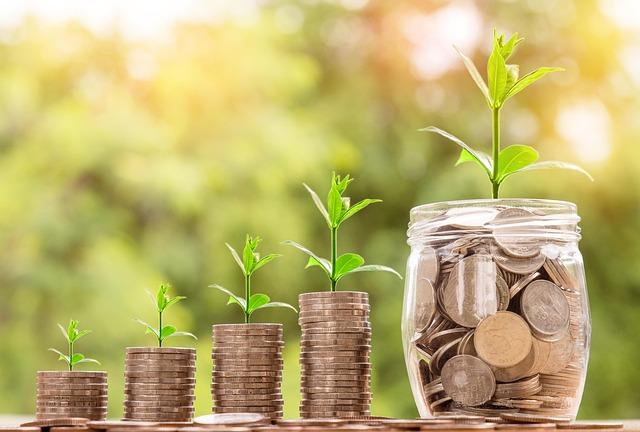
Amid escalating trade tensions and sweeping tariffs imposed by the Trump administration, Lithuania has emerged as a surprising bright spot in the global economic landscape. Once primarily recognized for its traditional industries such as furniture manufacturing, the Baltic nation is now rapidly expanding into high-tech sectors, showcasing a dynamic blend of innovation and resilience. This economic transformation positions Lithuania as a notable counterpoint to the challenges faced by many countries caught in the crossfire of U.S. trade policies, offering a compelling case study of adaptation and growth in uncertain times.
Lithuania’s Economic Resilience Shines Amid US Trade Tensions
Despite the ripple effects of escalating tariffs imposed by the Trump administration, Lithuania has managed to maintain a dynamic and growing economy. Key industries such as furniture manufacturing and technology exports have not only weathered the storm but are thriving as the nation pivots toward diversified markets in Europe and Asia. This resilience has been fueled by targeted government policies encouraging innovation, streamlined export processes, and strategic partnerships, positioning Lithuania as a competitive player in global trade.
Recent trade data illustrates Lithuania’s performance amid these tensions:
| Sector | Export Growth (2023) | Primary Markets |
|---|---|---|
| Furniture | +8.5% | EU, UK |
| Electronics & Tech | +12.3% | EU, China |
| Textiles | +4.1% | Nordics, Germany |
- Innovation hubs in Vilnius and Kaunas are leading the tech surge.
- Small and medium enterprises are increasingly tapping into alternative markets.
- The government’s Export Development Program has seen a 15% boost in funding.
From Traditional Craftsmanship to Innovation Driven Tech Industries
Once renowned for its rich tradition in handcrafted furniture, Lithuania has adeptly transitioned into a hub for cutting-edge technology and innovation-driven industries. This transformation has not only modernized its economic framework but also positioned the country as a resilient alternative amidst global trade uncertainties, such as the tariffs initiated by the Trump administration. Lithuanian startups and tech companies have capitalized on their skilled workforce and competitive costs, attracting foreign investments and expanding their reach in sectors like fintech, biotechnology, and software development.
Key elements fueling Lithuania’s economic evolution include:
- Robust education system producing a talent pool with strong STEM expertise.
- Government incentives fostering innovation through grants and tax benefits.
- Strategic partnerships linking traditional manufacturing with digital technologies.
| Industry Sector | Growth Rate (2015-2023) | Notable Companies |
|---|---|---|
| Furniture Manufacturing | +12% | Scandia, Medeina |
| IT & Software Development | +45% | Vinted, Tesonet |
| Biotechnology | +30% | GenEra, Thermo Fisher Lithuania |
Strategic Investments and Policy Recommendations to Sustain Growth
Lithuania’s government is doubling down on targeted investments to safeguard its burgeoning sectors, from furniture manufacturing to cutting-edge technology. Prioritizing innovation hubs and sustainable infrastructure, policymakers are channeling resources towards advanced research centers and digital transformation initiatives. Support for startups, particularly in artificial intelligence and fintech, is paired with incentives that encourage foreign direct investment, allowing Lithuania to carve out a niche in the competitive European market. Tax relief programs, robust vocational training, and improved logistics networks are all critical components designed to enhance productivity and labor market resilience.
To sustain momentum, a multi-faceted policy framework is taking shape, balancing immediate economic gains with long-term stability. This includes:
- Enhanced trade agreements to diversify export destinations beyond traditional partners impacted by global tariffs.
- Green technology adoption programs aimed at reducing carbon footprints while stimulating growth in eco-friendly industries.
- Public-private partnerships that leverage resources and share risks on large-scale infrastructure and innovation projects.
| Investment Focus | Key Benefit |
|---|---|
| Tech Incubators | Accelerated innovation cycles |
| Logistics Upgrades | Faster global market access |
| Workforce Training | Skilled labor force |
Closing Remarks
As Lithuania continues to navigate the shifting landscape of global trade, its resilient economy stands out as a beacon of adaptability and growth amid challenges like the U.S. tariffs under the Trump administration. From traditional furniture manufacturing to cutting-edge technology sectors, the country’s diversified economic portfolio highlights its capacity to seize new opportunities while mitigating international trade tensions. For Chicago businesses and policymakers observing these developments, Lithuania’s experience offers valuable insights into the potential of agile economies to thrive despite external pressures.