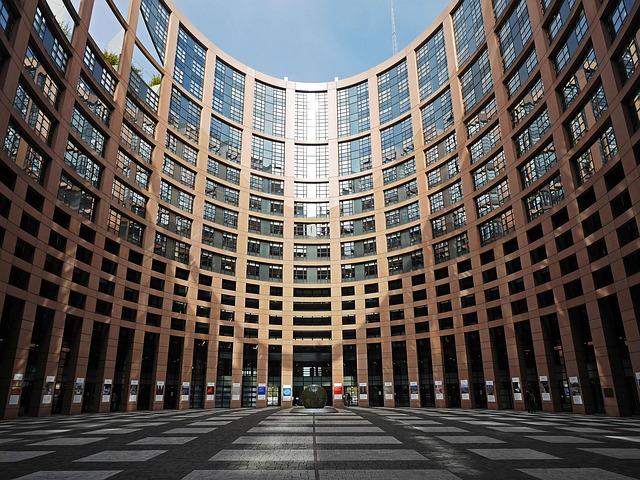
The European Parliament has adopted a resolution addressing Georgia’s EU accession prospects, emphasizing that tangible progress is contingent upon comprehensive domestic reforms. In its latest evaluation, the Parliament underscored concerns over governance, judicial independence, and the rule of law, signaling that without significant changes, Georgia’s path toward EU membership remains uncertain. This development highlights the European Union’s firm stance on democratic standards within its Eastern Partnership countries, reaffirming that accession negotiations hinge on sustained reform efforts.
European Parliament Emphasizes Reform Priorities as Key to Georgia’s EU Accession Prospects
The European Parliament has clearly outlined that Georgia’s path to EU accession hinges on the implementation of critical reforms aimed at enhancing the rule of law, ensuring judicial independence, and strengthening democratic institutions. Members of the European Parliament stressed that without tangible progress in these areas, the country’s prospects of joining the EU remain uncertain. The resolution underscores the necessity for transparent governance, anti-corruption measures, and the protection of fundamental rights to align Georgia with EU standards.
Key priorities highlighted include:
- Judicial reform: Establishing an independent and effective judiciary
- Anti-corruption efforts: Strengthening legal frameworks and enforcement
- Media freedom: Safeguarding pluralism and preventing political pressure
- Electoral integrity: Ensuring free, fair, and transparent elections
- Human rights protections: Guaranteeing freedoms of expression and assembly
| Reform Area | Current Status | EU Expectation |
|---|---|---|
| Judicial Independence | Partially achieved | Full autonomy and fair trials |
| Anti-corruption | Progress ongoing | Effective prevention and prosecution |
| Media Freedom | Under pressure | Unhindered journalistic activities |
| Electoral Reform | Improvements noted | Completely free and fair elections |
| Human Rights | Generally respected | Full compliance with EU charters |
Detailed Analysis of Governance and Rule of Law Challenges Facing Georgia
Georgia’s governance framework continues to face significant hurdles that undermine its EU integration aspirations. Persistent issues include a polarized political environment, limited independence of the judiciary, and vulnerabilities to corruption at various government levels. These challenges weaken public trust in democratic institutions and hamper the country’s ability to implement reforms effectively. In particular, the lack of transparent and accountable governance mechanisms has been identified as a critical barrier, preventing meaningful progress in strengthening the rule of law and ensuring equal access to justice.
Key areas requiring urgent attention:
- Enhancement of judicial independence to reduce political influence over courts
- Strengthening anti-corruption frameworks with robust enforcement measures
- Improving transparency in public procurement and administrative procedures
- Ensuring media freedom to foster pluralism and informed citizenry
| Governance Aspect | Current Challenge | Reform Priority | ||||||||||||
|---|---|---|---|---|---|---|---|---|---|---|---|---|---|---|
| Judicial Independence | Political interference in appointments | Establish merit-based, transparent selection | ||||||||||||
| Anti-Corruption | Inadequate investigation mechanisms | Empower independent bodies with legal authority | ||||||||||||
| Media Freedom | Owner influence and censorship concerns |
Completed table entry: | Governance Aspect | Current Challenge | Reform Priority | Summary of Governance Challenges and Reform Priorities in GeorgiaChallenges:
Reform priorities include:
If you’d like, I can help draft recommendations or a detailed reform roadmap based on these points. EU Calls for Accelerated Judicial and Electoral Reforms to Advance Integration ProcessThe European Parliament has unequivocally underscored the imperative of comprehensive judicial and electoral reforms in Georgia, highlighting these steps as essential prerequisites for any advancement towards EU accession. Emphasizing the principle of conditionality, Members of the European Parliament (MEPs) stressed that without tangible progress in establishing an independent judiciary and transparent electoral processes, Georgia’s integration ambitions remain stalled. This message aligns with the EU’s broader commitment to uphold democratic values and rule of law across its neighbourhood, urging Georgian authorities to demonstrate clear political will and urgency in implementing reforms. The resolution outlines key areas requiring immediate attention and calls for a multi-faceted approach involving:
To assist stakeholders in monitoring progress, the resolution recommends establishing a dedicated oversight mechanism within the EU framework, fostering closer cooperation with Georgian civil society, and guiding legislative amendments to align fully with EU standards.
Key TakeawaysThe adoption of the European Parliament’s resolution sends a clear message to Georgia: meaningful progress towards EU accession hinges on the implementation of key reforms. While the path to membership remains open, the EU underscores that adherence to democratic principles, rule of law, and anti-corruption measures are non-negotiable prerequisites. As Georgia grapples with these challenges, the coming months will be critical in determining whether it can meet the stringent criteria set by the Union and move closer to its European aspirations. ADVERTISEMENT  Related Posts |