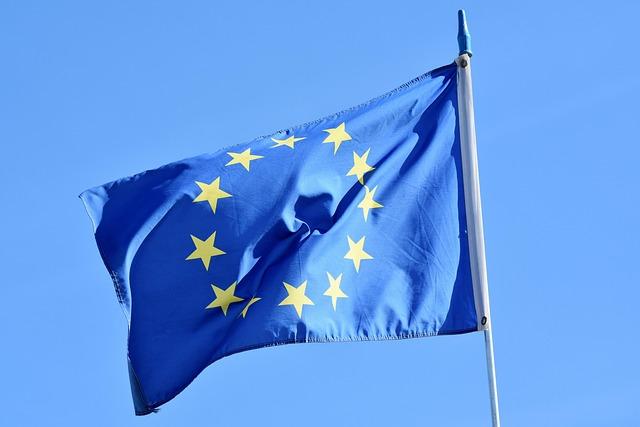
The European Union’s Pay Transparency Directive is set to reshape wage equality standards across member states, with the Czech Republic and Slovakia preparing to align their national legislation accordingly. As these countries undertake the implementation process, employers, employees, and legal experts are closely monitoring the anticipated changes aimed at enhancing salary transparency and combating pay discrimination. This article explores the current state of implementation efforts in the Czech Republic and Slovakia, highlighting the key provisions of the directive and its expected impact on labor markets in the region.
EU Pay Transparency Directive Adoption Challenges in the Czech Republic and Slovakia
The uptake of the EU Pay Transparency Directive in the Czech Republic and Slovakia has been met with a mix of regulatory hurdles and cultural resistance. Both countries face the challenge of aligning their existing wage disclosure frameworks with the Directive’s ambitious goals, which demand not only transparency but also proactive measures to close the gender pay gap. Companies, particularly SMEs, express concerns over increased administrative burdens and potential legal uncertainties, as clear national guidelines remain scarce. Moreover, traditional workplace norms contribute to slower adaptation, with some sectors showing reluctance to fully embrace transparency measures that might expose deep-rooted inequities.
Key obstacles encountered include:
- Lack of detailed national implementation laws, leading to confusion among employers.
- Limited resources allocated to enforcement and employee awareness campaigns.
- Data privacy concerns complicating the collection and sharing of pay-related information.
| Challenge | Czech Republic | Slovakia |
|---|---|---|
| Legal Framework | Draft amendments under review | Delayed legislative proposals |
| Employer Readiness | Higher awareness in large companies | SMEs report limited capacity |
| Enforcement Mechanisms | Pending establishment of supervisory bodies | Reliance on existing labor inspectorates |
Key Legal and Operational Impacts on Employers Across Both Countries
The implementation of the EU Pay Transparency Directive in both the Czech Republic and Slovakia imposes significant legal obligations on employers, fundamentally shifting how remuneration data must be managed and disclosed. Companies are now required to conduct detailed pay assessments to uncover and address wage disparities based on gender or other protected criteria. This mandates a robust data collection and reporting system, with particular emphasis on transparency and nondiscrimination. Failure to comply may result in administrative sanctions, reputational damage, and increased exposure to litigation risks, compelling employers to revisit their current HR policies and payroll frameworks.
Operationally, businesses face the challenge of balancing transparency requirements with privacy and data protection rules, leading to enhanced collaboration between legal, HR, and IT departments. Employers must also invest in staff training to ensure awareness and adherence to the new directive. Key changes include:
- Mandatory pay reporting: Regular publication of gender pay gap data accessible to employees and relevant governmental bodies.
- Right to information: Employees gain expanded rights to request pay-related data.
- Internal complaint mechanisms: Requirement to establish procedures allowing employees to contest pay discrepancies.
| Impact Area | Czech Republic | Slovakia | ||||||||||||||
|---|---|---|---|---|---|---|---|---|---|---|---|---|---|---|---|---|
| Reporting Frequency | Annual | Biannual | ||||||||||||||
| Scope of Employers | ≥ It looks like your table got cut off at “Scope of Employers” under Czech Republic column. Based on the context, I can help complete and summarize the key differences between the Czech Republic and Slovakia regarding the EU Pay Transparency Directive implementation, especially around reporting frequency and employer scope.
Here’s a probable continuation and completion of your table, along with a brief explanation: Table Completion: | Impact Area | Czech Republic | Slovakia | Explanation:
If you’d like, I can help draft a detailed comparison document or further explain each element of the directive’s impact on HR practices in both countries. Just let me know! Strategic Steps for Compliance and Enhancing Workplace EqualityOrganizations in the Czech Republic and Slovakia must take immediate and deliberate action to align with the EU Pay Transparency Directive’s rigorous requirements. Proactive compliance involves conducting thorough pay audits to identify existing wage disparities and setting clear, measurable goals for closing gender and other equality gaps. Businesses should implement transparent salary structures and communicate compensation policies openly to foster trust and accountability. Additionally, revising recruitment, promotion, and remuneration criteria ensures that bias is minimized, positioning companies as frontrunners in workplace equity. Key initiatives to consider include:
In RetrospectAs the Czech Republic and Slovakia move toward implementing the EU Pay Transparency Directive, businesses and employees alike face significant changes in pay reporting and accountability. While both countries are taking steps to align with EU standards, the effectiveness of these measures will depend on clear regulatory guidance and robust enforcement mechanisms. Stakeholders are advised to monitor legislative developments closely to ensure compliance and to embrace greater wage transparency as a step toward reducing pay disparities across the region. ADVERTISEMENT  Related Posts |