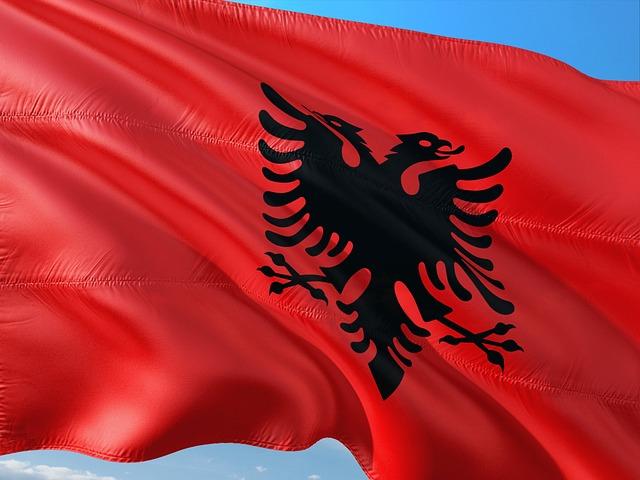
Albania continues to grapple with the enduring legacy of its decades-long dictatorship, as the shadows of authoritarian rule persistently influence the nation’s social, political, and economic landscape. Despite significant democratic reforms since the fall of Enver Hoxha’s regime in the early 1990s, the impact of totalitarian control remains deeply embedded in Albanian society. This article examines how Albania’s past still shapes its present, exploring the challenges of confronting history, the struggle for accountability, and the ongoing efforts to build a transparent and democratic future.
The Enduring Impact of Enver Hoxha’s Regime on Albania’s Political Landscape
Enver Hoxha’s regime imprinted a profound and lasting mark on Albania’s political dynamics, shaping the country’s trajectory decades after his death. The autocratic governance style, characterized by extreme isolationism and rigid Stalinist policies, entrenched a centralized state apparatus that persists in various forms today. Although Albania has officially transitioned to a democratic system, the legacy of political repression, surveillance culture, and distrust toward external influences continues to influence the nation’s institutional behavior and public sentiment. The lingering effects are apparent in the cautious approach to foreign partnerships and a domestic political arena often polarized between successors of communist-era ideologies and reformist elements.
Key aspects of Hoxha’s enduring impact include:
- Institutional Centralization: Government structures retain centralized decision-making processes, limiting decentralization efforts.
- Political Fragmentation: Parties often mirror historical divides, reflecting underlying ideological rifts rooted in the communist past.
- Public Memory and Historical Narratives: Conflicting interpretations of Hoxha’s rule fuel ongoing debates about national identity and collective memory.
- Security Apparatus Legacy: Former state security practices inform current law enforcement and intelligence frameworks, occasionally provoking civil rights concerns.
| Area | Pre-Hoxha | During Hoxha | Post-Hoxha Impact |
|---|---|---|---|
| Foreign Policy | Open alignment with regional powers | Isolationist and anti-imperialist stance | Gradual re-engagement mixed with skepticism |
| Political Freedom | Limited but existent pluralism | Complete single-party control | Democratic structures with residual mistrust |
| Economic Model | Agrarian and nascent industrial | Command economy with collectivization | Market transition fraught with institutional challenges |
Social and Economic Challenges Rooted in Decades of Repression
Decades under an oppressive regime have left deep-seated scars on Albania’s societal fabric, challenging its path toward modernization and democratic stability. The dictatorship systematically dismantled civil institutions and suppressed fundamental freedoms, resulting in widespread mistrust of public systems and skewed socio-political dynamics. This legacy manifests itself in persistent issues such as unemployment, limited access to quality education, and a health sector still struggling to meet contemporary demands. Furthermore, the forced isolation curtailed economic diversification, leaving the nation heavily reliant on remittances and fragile sectors.
These enduring difficulties are compounded by demographic shifts and uneven regional development. Rural areas, in particular, face stark disparities, fueling migration to urban centers and abroad. Below is an overview highlighting key challenges shaped by decades of authoritarian control:
| Challenge | Impact | Current Status |
|---|---|---|
| Economic Stagnation | Limited industrial base and foreign investment | Slow growth, high reliance on remittances |
| Education Deficits | Underfunded schools, brain drain | Improving but uneven quality |
| Healthcare Access | Inadequate infrastructure and resources | Ongoing reforms, challenges remain |
| Social Fragmentation | Distrust in government and public institutions | Gradual rebuilding of civic engagement |
- Youth unemployment rates remain alarmingly high compared to regional averages.
- Corruption perceptions
- Emigration trends
Pathways to Reconciliation and Democratic Strengthening in Post-Dictatorship Albania
Albania’s journey beyond decades of authoritarian rule is marked by complex efforts aimed at healing a fractured society and reinforcing the foundations of its young democracy. Central to this process is the need for truth-telling mechanisms that acknowledge past human rights abuses while avoiding political polarization. Civil society organizations, alongside governmental institutions, have pushed for comprehensive lustration laws to prevent former regime collaborators from holding positions of power, balancing justice with national unity. Meanwhile, educational reforms strive to embed democratic values in the curriculum, empowering younger generations to actively participate in political life and resist the resurgence of autocratic nostalgia.
Several critical pathways to democratic consolidation have emerged as priorities in the post-dictatorship era:
- Institutional Transparency: Enhancing the openness of governmental processes to restore public trust.
- Decentralization: Empowering local governments to foster citizen engagement and reduce central authority dominance.
- Media Freedom: Protecting independent journalism as a watchdog against corruption and abuse of power.
- Civic Dialogue: Encouraging forums for diverse voices to engage in policy-making and national discourse.
| Challenge | Approach | Impact |
|---|---|---|
| Legacy of authoritarian control | Institutional reforms and lustration policies | Gradual restoration of democratic norms |
| Political factionalism | Promotion of civic dialogue platforms | Improved cross-party cooperation |
| Public distrust | Transparency initiatives and media freedom | Increased citizen participation |
Final Thoughts
As Albania continues to navigate its post-communist path, the legacy of decades under dictatorship remains a defining factor in its social, political, and economic landscape. While significant strides have been made toward democratic reform and integration with broader European institutions, the long shadow of authoritarian rule still shapes public discourse and collective memory. Understanding this complex history is essential for appreciating Albania’s ongoing efforts to reconcile with its past and build a more transparent and accountable future.