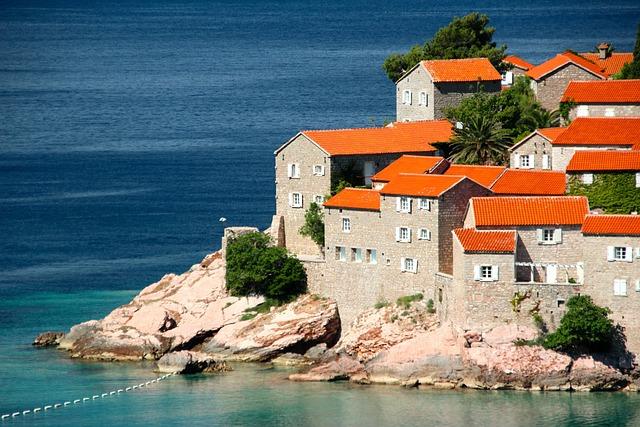
Montenegro, one of Europe’s smallest countries, continues its persistent quest to join the European Union despite mounting challenges and regional uncertainties. Nearly two decades after opening accession talks, the Balkan nation remains determined to meet EU standards and secure membership, positioning itself as a hopeful candidate amid the bloc’s complex enlargement dynamics. This article examines Montenegro’s ongoing efforts, the hurdles it faces, and what its potential accession could mean for both the country and the European project.
Montenegro’s EU Ambitions Face Complex Political and Economic Hurdles
Montenegro’s journey toward European Union membership remains a challenging odyssey, tangled in both political complexities and economic vulnerabilities. Despite its small size, the Balkan country has shown remarkable resilience in pursuing integration, yet persistent issues threaten to slow progress. Key obstacles include entrenched political corruption, fragile democratic institutions, and competing regional influences that complicate diplomatic relations. Observers note that while the government has implemented reforms designed to meet EU standards, progress is often undermined by internal factionalism and resistance from entrenched interests.
Economically, Montenegro faces significant hurdles that could impact its accession prospects. The nation’s reliance on tourism and foreign investment exposes it to global volatility, while structural weaknesses in public finance and a high dependency on external debt pose risks to sustained growth. The table below highlights some critical economic indicators juxtaposed with EU averages, underscoring areas requiring urgent attention:
| Indicator | Montenegro | EU Average |
|---|---|---|
| GDP Growth Rate | 3.2% | 1.8% |
| Public Debt to GDP | 80% | 60% |
| Unemployment Rate | 15% | 6.5% |
| Foreign Direct Investment | 5.1% of GDP | 2.8% of GDP |
Key challenges moving forward include:
- Strengthening rule of law and judicial independence
- Combating corruption and organized crime
- Diversifying the economy beyond tourism
- Improving transparency and governance
Reforms and Regional Cooperation Key to Accelerating Accession Process
Montenegro’s journey towards European Union membership hinges on the vigorous implementation of comprehensive reforms and strengthening ties with neighboring countries. Key democratic and judicial reforms remain pivotal, especially in tackling corruption and enhancing the rule of law-areas where the country has faced persistent challenges. The government is focusing on bolstering institutional transparency and aligning national regulations with EU standards, aiming to create a stable foundation for future integration.
Simultaneously, regional cooperation is increasingly seen as a strategic asset in speeding up the accession timeline. Montenegro’s active engagement in cross-border initiatives contributes to political stability and economic growth across the Western Balkans. Enhanced collaboration includes:
- Joint infrastructure projects improving connectivity and trade routes
- Shared environmental policies tackling common ecological challenges
- Coordination on security matters to curb organized crime and illicit trafficking
| Reform Area | Progress Status |
|---|---|
| Judicial Independence | Moderate |
| Anti-corruption Measures | Developing |
| Regional Infrastructure | Advanced |
| Security Cooperation | Ongoing |
EU Encouraged to Offer Clearer Roadmap and Support for Integration Efforts
Montenegro’s aspiration to join the European Union remains vibrant, yet the pathway is clouded by uncertainty. Stakeholders stress the need for the EU to delineate a clearer, more structured roadmap that would ease the accession process not only for Montenegro but for all Western Balkan countries aspiring to membership. This clarity is expected to build confidence and help local governments align reforms more effectively with the EU’s criteria.
In addition to clarity, increased support is critical. Experts highlight several key areas where the EU’s assistance could be amplified:
- Capacity-building initiatives for institutional reform and judicial independence
- Financial aid focused on infrastructure and good governance
- Technical support to combat corruption and organised crime
| Priority Area | Current Status | Needed EU Support |
|---|---|---|
| Judicial Reform | Ongoing but slow | Enhanced technical training and monitoring |
| Anti-corruption Measures | Weak enforcement | Targeted funding and expertise |
| Economic Development | Fragile growth | Investment incentives and infrastructure grants |
Final Thoughts
Montenegro’s journey toward European Union membership remains emblematic of the broader challenges facing the Western Balkans. Despite its small size and the hurdles ahead, the country continues to press forward with reforms and dialogue, underscoring its commitment to the EU integration process. As Brussels weighs the future of enlargement, Montenegro’s experience offers a telling glimpse into the complexities and aspirations that define the EU’s next potential chapter.