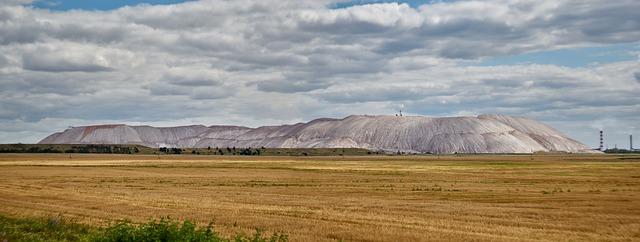
Belarusian potash has made a notable return to the U.S. market, marking a significant development in the global fertilizer trade. This resurgence comes amid persistent geopolitical tensions and sanctions targeting Belarusian exports. However, Lithuania remains resolute in its opposition, maintaining strict controls and enforcement measures to curb the transit of Belarusian goods through its territory. This unfolding situation highlights the complex interplay between international trade interests and regional security concerns.
Belarusian Potash Reenters U.S. Market Amid Shifting Trade Dynamics
Following a period of stringent sanctions and market exclusions, Belarusian potash has made an unexpected comeback in the U.S. agricultural supply chain. This return is largely driven by evolving geopolitical circumstances and adjustments in trade policies that have allowed Belarus to bypass previous restrictions. American fertilizer companies, grappling with supply shortages and rising costs, have shown a pragmatic willingness to diversify their sources, which includes reengaging with Belarusian exporters. Industry analysts note that the reentry is cautiously monitored, with stakeholders emphasizing compliance with current legal frameworks and an eye on potential future sanctions or trade adjustments.
Meanwhile, Lithuania remains resolute in its stance against facilitating Belarusian potash shipments through its ports, maintaining strict regulatory oversight despite pressure from some trade partners. Lithuanian authorities cite concerns over political and ethical grounds, emphasizing the importance of supporting broader EU sanctions. This divergence has created a notable logistical challenge, prompting exporters to explore alternative routes. The situation underscores the growing complexity of international trade dynamics where economic interests often clash with strategic alliances and political principles. Below is a snapshot of the current trade positions from key regions involved:
| Region | Position on Belarusian Potash | Key Action |
|---|---|---|
| United States | Reaccepting with caution | Import permits reviewed monthly |
| Lithuania | Firm opposition | Ports closed for Belarusian shipments |
| European Union (Other) | Divided stance | Sanctions enforced but with exceptions |
Lithuania Maintains Opposition Citing Security and Economic Concerns
Lithuania remains resolute in its stance against the reentry of Belarusian potash into the U.S. market, highlighting significant security risks that cannot be overlooked. The Lithuanian government argues that allowing Belarus to regain access not only undermines regional stability but also exposes critical supply chains to potential manipulation amid ongoing geopolitical tensions. Authorities stress that economic cooperation with Belarusian firms under current conditions contradicts broader efforts to curtail Minsk’s influence across European markets.
Beyond security, Lithuania voices strong concerns over the economic impact on domestic producers and neighboring allies. The government underscores that Belarusian potash’s return may distort pricing and weaken the market positions of Baltic exporters, who have struggled under sanctions. The following table outlines Lithuania’s core apprehensions regarding the potash trade revival:
| Concern | Impact |
|---|---|
| Security Vulnerabilities | Heightened risk of economic coercion |
| Market Distortions | Price undercutting affecting local suppliers |
| Political Dependencies | Increased Belarusian leverage in EU trade |
- Continued monitoring: Lithuania vows to uphold stringent oversight.
- Strategic alliances: Coordination with EU partners to maintain sanctions pressure.
- Economic safeguards: Support measures for Baltic fertilizer industries.
Experts Recommend Enhanced Regulatory Measures to Balance Trade and National Interests
Trade experts emphasize the urgency of implementing more robust regulatory frameworks to ensure that economic benefits do not come at the expense of national security and regional stability. While the re-entry of Belarusian potash into the U.S. market signals shifting trade dynamics, Lithuania’s steadfast position highlights the complexity of balancing open markets with geopolitical concerns. Stakeholders advocate for a nuanced approach that evaluates not only the economic value but also the broader implications on diplomatic relations and supply chain resilience.
Key recommendations include:
- Stricter import scrutiny to identify and mitigate risks tied to sanctioned entities.
- Enhanced transparency in cross-border commodity flows to prevent exploitation of regulatory gaps.
- Collaboration between trade partners to harmonize standards and prevent unilateral economic coercion.
| Measure | Purpose | Expected Impact |
|---|---|---|
| Import Monitoring | Prevent sanctioned goods entry | Improved compliance |
| Information Sharing | Enhance cooperation between nations | Reduced trade conflicts |
| Economic Impact Assessments | Balance trade benefits and risks | Strategic decision-making |
Closing Remarks
As Belarusian potash reenters the U.S. market amid shifting geopolitical dynamics, Lithuania remains steadfast in its position, underscoring the ongoing complexities in regional trade and diplomacy. The situation highlights broader tensions between economic interests and political alliances, suggesting that the debate over sanctions and market access will continue to evolve in the months ahead.