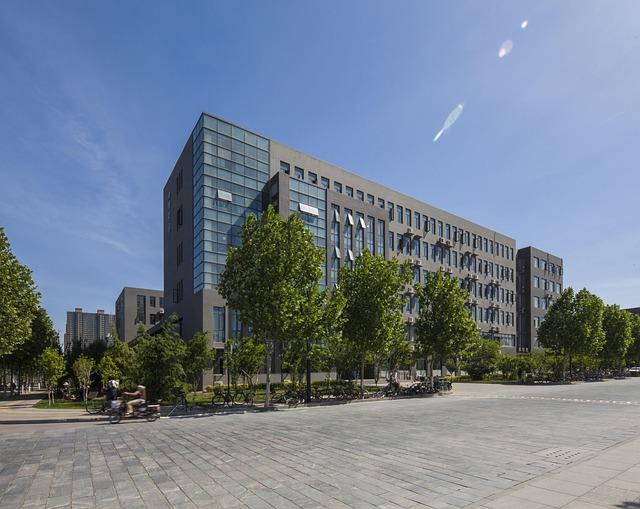
Efforts to revive normalization talks between Kosovo and Serbia have entered a critical phase, as stakeholders and international actors intensify diplomatic engagement to break years of stalemate. The Carnegie Endowment for International Peace highlights renewed initiatives aimed at fostering dialogue and resolving longstanding disputes that continue to hinder stability and integration in the Western Balkans. With both sides facing mounting pressure to reach an agreement, the coming months will be pivotal in determining whether normalization can be achieved after decades of tension.
Challenges and Stakes in Restarting Kosovo-Serbia Normalization Efforts
The path toward reigniting the Kosovo-Serbia dialogue is laden with significant obstacles, rooted in deeply entrenched political mistrust and the complex legacy of past conflicts. Both parties face intense domestic pressures that hinder flexibility, as nationalist factions demand firm stances rather than compromise. Additionally, international stakeholders exhibit diverging interests and priorities, complicating unified mediation efforts. The lack of a clear framework that addresses sensitive issues-such as the status of Kosovo’s minorities and border demarcations-continues to stall discussions, making progress elusive despite numerous high-level engagements.
Key challenges impacting the resumption of talks include:
- Disputes over mutual recognition and legal status
- Resistance from hardline political groups and civil society
- Uneven economic development fueling grievances
- Security concerns along contested borders
- Fragmented support among international actors
| Stakeholder | Main Concern | Potential Leverage |
|---|---|---|
| Pristina | Full international recognition | EU accession prospects |
| Belgrade | Preservation of territorial claims | Russian support, economic ties |
| European Union | Regional stability | Financial aid and integration incentives |
| United States | Countering regional instability | Diplomatic pressure and sanctions |
Understanding these multifaceted challenges is critical for crafting a pragmatic approach that balances the aspirations and fears of each party. Without tangible compromises and a committed international facilitation mechanism, the delicate equilibrium remains vulnerable to fallout, risking renewed tensions that could destabilize the Balkan region.
Analyzing Recent Diplomatic Initiatives and Regional Reactions
The past few months have seen a series of diplomatic overtures aimed at rekindling dialogue between Kosovo and Serbia, signaling a cautious but notable shift in regional dynamics. Key initiatives have included high-level meetings facilitated by the European Union and backed by the United States, emphasizing pragmatic compromises and tangible progress on contentious issues such as border demarcation and digital recognition. The diplomatic momentum, however, remains fragile, with both parties facing significant domestic pressure from nationalist factions skeptical of compromise.
Regional reactions have varied considerably:
- Albanian political leaders generally express cautious optimism but stress the necessity of concrete guarantees for Kosovo’s sovereignty.
- Serbian officials
- Neighboring states like North Macedonia and Montenegro watch closely, wary of potential spillover effects but hopeful for regional stability.
- International observers advocate for sustained engagement, emphasizing the importance of the dialogue for EU integration processes and long-term peace.
| Key Diplomatic Actors | Role | Recent Activity |
|---|---|---|
| European Union Special Envoy | Mediator | Facilitated multiple rounds of high-level talks |
| U.S. State Department | Support Partner | Provided strategic backing and incentives |
| Kosovo Prime Minister | Negotiator | Advocated for sovereignty and international recognition |
| Serbian President | Negotiator | Reaffirmed stance on territorial integrity |
Strategic Recommendations for Sustained Dialogue and Mutual Recognition
Efforts to restore meaningful communication between Kosovo and Serbia must prioritize inclusive platforms that engage not only political elites but also civil society actors across ethnic and regional divides. Facilitating sustained dialogue requires building trust through continuous, transparent exchanges that address deep-rooted grievances without preconditions. Track-two diplomacy initiatives, public forums, and collaborative projects can create grassroots momentum and normalize interaction beyond formal negotiation tables.
Furthermore, establishing clear frameworks for mutual recognition grounded in practical cooperation is crucial. Both sides should consider incremental agreements on technical and economic issues as confidence-building measures, progressing towards broader recognition milestones. The table below outlines potential areas for step-by-step cooperation that could serve as building blocks for normalization:
| Cooperation Area | Potential Benefits | Confidence-Building Impact |
|---|---|---|
| Cross-Border Infrastructure | Improved connectivity and trade | Demonstrates mutual economic interest |
| Joint Environmental Initiatives | Shared resource protection | Fosters collaboration on common challenges |
| Cultural Heritage Preservation | Safeguards historical sites | Respects identities, encourages joint ownership |
| Security Cooperation | Reduces regional tensions | Builds trust in maintaining peace |
The Way Forward
As Kosovo and Serbia seek to resume stalled normalization talks, the international community’s role remains pivotal in facilitating dialogue and fostering compromise. While deep-seated historical grievances and political complexities continue to challenge progress, renewed diplomatic efforts offer a cautious pathway toward stability and coexistence in the Balkans. The coming months will be critical in determining whether both sides can translate dialogue into tangible agreements, setting a precedent for lasting peace in the region.









![[WATCHLIVE]TODAY!] CSKA Sofia Monaco Live Free free tv! 2026 – Universidad de Córdoba (UCO)](https://europ.info/wp-content/uploads/2026/10/3077947-watchlivetoday-cska-sofia-monaco-live-free-free-tv-2026-universidad-de-cordoba-uco-120x86.jpg)