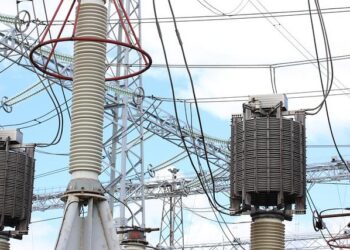
Lithuania has officially lodged a formal protest with Russia following a series of sabotage incidents in neighboring Estonia and ongoing attacks on Ukraine, escalating tensions in the region. The Baltic state condemned Moscow’s actions, accusing it of undermining regional security and violating international law. This move highlights growing concerns among Eastern European nations over Russia’s aggressive measures amid the ongoing conflict in Ukraine.
Lithuania Condemns Russian Sabotage in Estonia and Escalating Attacks on Ukraine
Lithuanian authorities have formally lodged a diplomatic protest with Moscow following a series of violent incidents attributed to Russian operatives in Estonia. The Lithuanian Ministry of Foreign Affairs expressed grave concern over the sabotage acts targeting Estonian infrastructure, which pose serious threats to regional stability and security. Vilnius emphasized that such hostile maneuvers undermine trust and jeopardize peace in the Baltic region, calling on Russia to cease any disruptive activities immediately.
In addition to the sabotage concerns, Lithuania vehemently condemned the intensifying military aggression on Ukraine, highlighting the deteriorating humanitarian situation. The government underscored its unwavering support for Ukrainian sovereignty and territorial integrity, pledging continued assistance in the face of escalating attacks. The following table summarizes Lithuania’s key diplomatic and humanitarian responses:
| Response | Description |
|---|---|
| Diplomatic Protest | Formal note to Russia condemning sabotage in Estonia |
| Security Measures | Enhanced border vigilance and regional cooperation |
| Support for Ukraine | Humanitarian aid and political backing |
| Appeal to International Community | Call for unified response against aggression |
Detailed Analysis of Regional Security Threats Stemming from Russian Aggression
Recent escalations stemming from Russian actions highlight a complex web of security threats with far-reaching implications for the Baltic region and beyond. Lithuania’s formal protest over sabotage activities in Estonia signifies the tangible risks of covert operations that destabilize regional infrastructure and erode trust among neighboring states. Such acts of aggression not only threaten national sovereignty but also disrupt critical energy supplies, communication networks, and civilian safety, underscoring the persistent vulnerability of the Baltics to hybrid warfare tactics.
Simultaneously, ongoing attacks on Ukraine serve as a stark reminder of Russia’s broader strategic objectives that challenge the European security order. These coordinated aggressions manifest through:
- Conventional military incursions aimed at territorial control and political leverage.
- Cyber operations targeting government institutions and critical infrastructure.
- Information warfare campaigns designed to foment division and destabilize alliances.
| Region | Type of Threat | Recent Incident | ||||||||
|---|---|---|---|---|---|---|---|---|---|---|
| Estonia | Sabotage & Cyber Attacks | Power grid disruption in 2023 | ||||||||
| Lithuania | Diplomatic Protests & Security Alerts | Formal protest lodged to Russia, 2024 | ||||||||
| Ukraine | Calls for Enhanced NATO Support and Strengthened Baltic Defense Cooperation
| Proposed Initiative | Expected Benefit |
|---|---|
| Rapid Response Units | Faster deployment to crisis zones |
| Integrated Air Defense Systems | Improved detection and interception |
| Joint Cybersecurity Exercises | Enhanced resilience against digital attacks |
| Regional Intelligence Hub | Streamlined information dissemination |
Wrapping Up
As tensions continue to escalate in the region, Lithuania’s formal protest against Russia underscores the deepening geopolitical rift following recent sabotage in Estonia and ongoing attacks on Ukraine. The developments highlight the persistent challenges to Baltic security and the broader international community’s resolve to respond to acts of aggression. Observers will be closely monitoring the diplomatic exchanges in the coming days, as states navigate a complex and volatile security landscape in Eastern Europe.