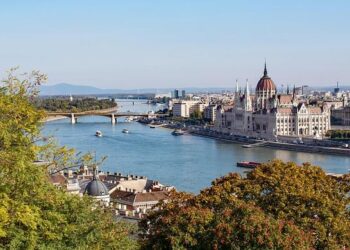
Hungary has announced plans to sink two barges near the country’s only nuclear power plant to raise water levels in the Danube River, officials said on Tuesday. The measure aims to secure sufficient cooling for the facility amid historically low river flows that have raised concerns over reactor safety and operational stability. This unprecedented intervention underscores the growing challenges posed by climate change and drought conditions affecting critical infrastructure in Central Europe.
Hungary Sinks Barges Near Nuclear Plant to Boost Danube Water Levels Amid Cooling Concerns
Hungary’s decision to deliberately sink two barges in the Danube River near the Paks nuclear power plant highlights increasing concerns over dwindling water levels critical for plant cooling. The move aims to create an artificial rise in the river’s water height, ensuring that the nuclear reactors can maintain safe operational temperatures amid prolonged drought conditions and escalating regional heat. Experts have emphasized that sustained cooling is vital to prevent overheating, which could otherwise lead to serious safety risks or temporary plant shutdowns.
The barges, once submerged, will function as underwater barriers to restrict water flow and help back up levels upstream. Officials have outlined key benefits associated with this intervention:
- Maintaining sufficient water intake: Supports continuous cooling system efficiency.
- Mitigating drought impact: Addresses stress caused by Southeast Europe’s recent dry spells.
- Preventing operational risks: Minimizes chances of heat-related shutdowns or equipment damage.
| Factor | Expected Outcome |
|---|---|
| Water Level Increase | Approx. 15-20 cm rise near plant intake |
| Operational Stability | Extended safe cooling capacity |
| Environmental Impact | Minimal, monitored continuously |
Environmental and Safety Implications of Artificially Raising River Levels at Nuclear Facility
The decision to submerge two barges near the nuclear plant is met with both pragmatic consideration and environmental concern. Raising water levels in the Danube aims to secure consistent cooling for the facility, a critical factor in preventing potential overheating and ensuring uninterrupted operation. However, this artificial manipulation of the river’s flow carries significant environmental risks. Disrupting natural aquatic ecosystems can lead to altered sediment transport, affecting fish habitats and local biodiversity. Residual contaminants from the barges-if not properly cleaned-pose an additional threat to water quality, making meticulous preparation essential.
From a safety perspective, the measure is a calculated response amid fluctuating river levels aggravated by climate change. Authorities emphasize the barges will be carefully positioned and monitored to avoid creating navigation hazards or structural damage to the riverbed. Below is a summary of key environmental and safety factors considered:
- Water Quality Impact: Monitoring for chemical leaks and sediment disturbance.
- Ecological Balance: Safeguarding aquatic fauna migration and spawning grounds.
- Structural Stability: Ensuring barges do not shift and compromise riverbank integrity.
- Cooling Reliability: Sustaining critical coolant flow under drought conditions.
| Aspect | Potential Concern | Mitigation Approach |
|---|---|---|
| Water Contamination | Fuel or material residue | Complete decontamination before sinking |
| Fish Migration | Blocked or altered routes | Regular ecological assessments |
| Navigation Safety | Collision risks | Clear marking and river traffic control |
Experts Urge Continuous Monitoring and Regional Cooperation to Prevent Cooling System Risks
As Hungary prepares to sink two barges near its nuclear plant to raise the water levels of the Danube River, experts emphasize the critical need for continuous monitoring and enhanced regional collaboration to mitigate potential risks to the cooling systems. The operation aims to safeguard the plant’s cooling capacity during periods of drought, but specialists warn that isolated interventions may not be sufficient to address the cascading effects of climate-induced water shortages affecting interconnected waterways across Central Europe.
Key recommendations from industry professionals and environmental analysts include:
- Establishing a real-time river flow and temperature monitoring network shared between countries.
- Coordinated emergency response protocols to manage unexpected cooling system failures.
- Joint investments in adaptive infrastructure to sustain river levels during extreme weather fluctuations.
- Regular data exchange forums to facilitate decision-making based on comprehensive regional insights.
| Risk Factor | Potential Impact | Recommended Action |
|---|---|---|
| Low Water Levels | Reduced Cooling Efficiency | Deploy Water Retention Structures |
| River Temperature Rise | Thermal Stress on Systems | Enhanced Temperature Monitoring |
| Cross-border Coordination Gaps | Delayed Response to Emergencies | Formalized Regional Cooperation |
Concluding Remarks
As Hungary moves forward with its controversial plan to sink two barges near the Paks nuclear power plant, authorities emphasize the urgency of maintaining adequate Danube water levels to ensure continued cooling of the reactors. While the measure underscores the challenges posed by fluctuating river conditions amid changing climate patterns, it also raises environmental and safety questions that will likely fuel ongoing public and expert debate. As the situation develops, officials and observers alike will be closely monitoring the impact of this unconventional intervention on both the region’s ecology and its critical energy infrastructure.