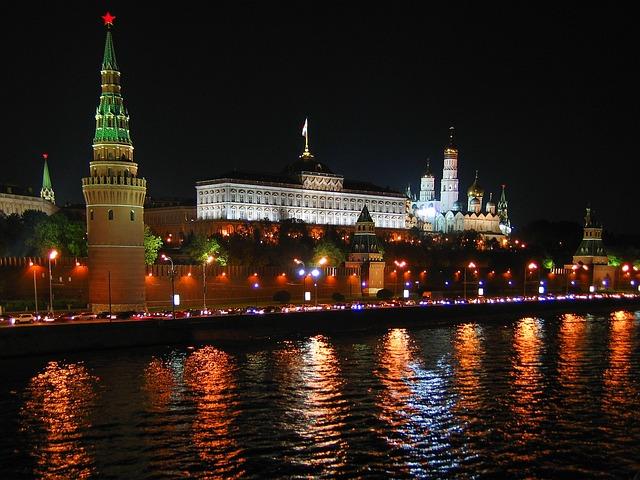
The Kremlin has issued a stern warning to Lithuania following its decision to lift a longstanding ban on nuclear arms, cautioning that the move could significantly escalate regional tensions. In a statement reported by The Moscow Times, Russian officials expressed deep concern over what they describe as a provocative act that undermines security and stability in Eastern Europe. This development marks a notable shift in Lithuania’s defense policy amid rising geopolitical frictions between Russia and NATO-aligned countries.
Kremlin Issues Strong Warning Over Lithuania’s Move to Lift Nuclear Arms Ban
Moscow has expressed deep concern following Lithuania’s recent legislative decision to revoke its longstanding prohibition on nuclear weapons. The Kremlin’s official spokesperson warned that this move could destabilize regional security dynamics and provoke an arms race in Eastern Europe. Russia’s Foreign Ministry emphasized that such actions undermine existing arms control agreements, urging Vilnius to reconsider its approach to ensure continued peace and stability in the Baltic region.
The warning comes amid heightened tensions between Moscow and NATO allies, with Lithuania positioned as a critical NATO member bordering the Russian exclave of Kaliningrad. Analysts suggest that Lithuania’s shift may prompt retaliatory measures, increasing military presence and surveillance activities along the border. Below is a brief overview of the potential ramifications outlined by Russian officials:
- Increased military alertness along the Baltic corridor.
- Potential acceleration of Russia’s nuclear modernization programs.
- Heightened risk of miscalculations in an already tense geopolitical environment.
| Stakeholder | Position on Lithuania’s Move | Potential Impact |
|---|---|---|
| Russia (Kremlin) | Strongly opposed | Security risks; escalation fears |
| Lithuania | Supportive | National defense autonomy |
| NATO | Cautiously Observing | Alliance cohesion at stake |
Potential Regional Security Implications and Risks of Military Escalation Explored
Heightened tensions in the Baltic region could significantly destabilize the existing security architecture. The Kremlin’s firm stance against Lithuania’s move to lift its nuclear arms ban reflects concerns over a potential arms race that may trigger rapid militarization among neighboring states. Analysts warn that such an escalation risks not only a direct confrontation between NATO and Russian forces but also undermines decades of diplomatic efforts promoting disarmament and regional stability.
Key risks identified include:
- Increased military deployments and exercises along shared borders.
- Potential for miscalculation or accidental clashes escalating into broader conflict.
- Disruptions to critical supply chains and trade routes crossing the Baltic corridor.
| Risk Factor | Potential Impact | Regional Stakeholders |
|---|---|---|
| Military Buildup | Increased border tensions | Lithuania, Russia, NATO |
| Diplomatic Fallout | Reduction in cooperation | EU, Baltic States, Moscow |
| Economic Disruptions | Trade and energy route instability | Regional countries, EU |
Experts Urge Diplomatic Dialogue to Prevent Heightened Tensions in Eastern Europe
International security analysts have expressed deep concern over Lithuania’s recent move to lift a long-standing ban on nuclear arms within its borders. Senior diplomats and defense experts warn that such actions could further inflame regional hostilities and complicate already fragile relations between NATO members and Russia. In a joint statement, experts emphasized the urgent need for calm, measured approaches and renewed diplomatic engagement to avoid unintended escalations that might spiral beyond control.
Key recommendations from the panel include:
- Immediate high-level talks between Lithuania, Russia, and NATO representatives to clarify intentions and build trust.
- Confidence-building measures such as transparency on military movements and open channels for crisis communication.
- Engagement of international mediators to facilitate dialogue and propose frameworks for mutual security guarantees.
| Potential Risk | Impact | Mitigation |
|---|---|---|
| Escalation of military deployments | Heightened border tensions | Regular reassurance talks |
| Misunderstandings in command chains | Accidental clashes | Improved communications protocols |
| Undermining existing treaties | Breakdown of security frameworks | Renewed commitment to arms control |
Key Takeaways
As tensions over Lithuania’s move to lift its ban on nuclear arms persist, the Kremlin’s warning underscores the fragility of regional security dynamics in Eastern Europe. Moscow’s statement serves as a stark reminder of the broader geopolitical stakes involved, raising concerns about potential escalations amidst already heightened East-West relations. Observers will be watching closely how this development influences future diplomatic engagements and the balance of power in the region.









![Sweden Blocks 2 AI Chatbots, Keeps Copilot [2026] – https://tech-insider.org/](https://europ.info/wp-content/uploads/2026/10/3079689-sweden-blocks-2-ai-chatbots-keeps-copilot-2026-https-tech-insider-org-120x86.jpg)