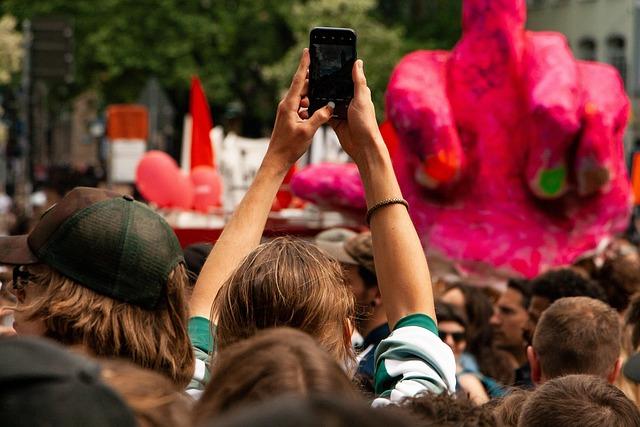
France is preparing for a second consecutive day of widespread demonstrations as thousands of protesters take to the streets in response to ongoing social and political discontent. Following days of unrest that have brought major cities to a standstill, officials and law enforcement agencies are on high alert, seeking to manage large crowds and prevent violence. The New York Times reports that these mass protests reflect deep-seated grievances over government policies, economic challenges, and labor reforms, underscoring a period of heightened tension across the country.
France Faces Renewed Public Unrest as Protests Enter Their Second Day
Demonstrations have intensified across major cities in France as thousands of citizens took to the streets again, voicing their dissatisfaction over recent government reforms. The unrest follows heated debates surrounding pension overhauls and labor laws, with unions orchestrating coordinated strikes that have disrupted public transportation and essential services. Police presence has been significantly increased, with authorities deploying riot control units to manage growing crowds and prevent escalation.
Key developments include:
- Widespread metro and train delays reported in Paris, Lyon, and Marseille.
- Localized clashes resulting in several arrests and minor injuries.
- Protests spreading beyond urban centers to smaller towns and industrial regions.
- Calls from unions for continued action until concessions are made.
| City | Estimated Participants | Main Issue | Status |
|---|---|---|---|
| Paris | 50,000+ | Pension Reform | Ongoing |
| Lyon | 15,000 | Labor Conditions | Active |
| Marseille | 10,000 | Public Sector Cuts | Escalating |
| Nantes | 7,000 | Job Security | Peaceful |
Economic and Political Implications of Widespread Demonstrations in Paris
Widespread demonstrations across Paris have precipitated a notable ripple effect on France’s economic landscape. Retail outlets and transport services reported significant disruptions, with daily commerce grinding to a near halt in several districts. The uncertainty has driven investors to adopt a cautious stance, evident in recent market fluctuations. Key industries, including tourism and hospitality, face prolonged setbacks as travelers reconsider plans amid safety concerns. Additionally, public sector workers’ participation in strikes creates strain on infrastructure, potentially delaying critical economic activities and exacerbating unemployment fears.
Politically, the resilience of the current administration is being publicly tested, as opposition parties seize on the chaos to galvanize support ahead of upcoming elections. The government’s response strategies are under intense scrutiny, and any perceived missteps or heavy-handed tactics risk deepening national divides. Civil liberties debates have gained prominence, with activists demanding more transparent dialogues. Below is a concise overview of the political stakes:
| Political Factor | Potential Impact |
|---|---|
| Government Trust | Decline if protests are handled poorly |
| Opposition Momentum | Increasing voter support |
| Legislative Reform | Pressure to negotiate concessions |
| Public Perception | Polarization intensifies |
Strategies for Authorities to Address Growing Civil Discontent and Maintain Order
To Conclude
As France prepares for a second day of mass protests within a week, the government faces mounting pressure to address the demands of demonstrators. The unfolding unrest underscores deep societal divisions and highlights the challenges ahead for national unity and policy reform. Observers will be closely watching how authorities and protest leaders navigate the tense atmosphere in the coming days.