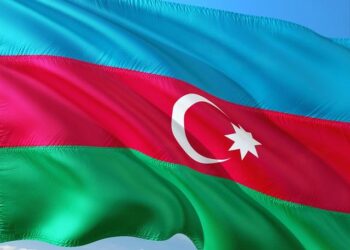
Armenian Prime Minister Nikol Pashinyan has stated that Azerbaijan has not submitted any official request for the extradition of the serviceman currently detained in Armenia. The clarification comes amid ongoing tensions between the two neighboring countries, as officials monitor the situation closely. This development was reported by Armenpress, highlighting the complex dynamics surrounding the detained individual and bilateral relations.
Pashinyan Addresses Serviceman Detention Amid Armenia Azerbaijan Tensions
Armenian Prime Minister Nikol Pashinyan has clarified the status of a serviceman recently detained amid ongoing tensions between Armenia and Azerbaijan. Speaking at a press briefing, Pashinyan emphasized that Azerbaijan has not formally submitted any request for the extradition of the detained individual. The prime minister underlined that all necessary legal procedures are being observed, and diplomatic channels remain open to prevent escalation in the sensitive border region.
Authorities continue monitoring the situation closely, aiming to avoid any deterioration in bilateral relations. Key points surrounding the detention include:
- Detained serviceman currently under Armenian jurisdiction
- No official Azerbaijani extradition request received
- Enhanced security measures along the Armenia-Azerbaijan border
- Ongoing diplomatic communications to de-escalate tensions
| Aspect | Details |
|---|---|
| Status of Serviceman | Detained in Armenia, under legal review |
| Extradition Request | None received from Azerbaijan |
| Border Situation | Increased security presence |
| Diplomatic Efforts | Active dialogue ongoing |
Implications of No Extradition Request on Bilateral Relations
The absence of an extradition request from Azerbaijan marks a notable development in the complex dynamics of Armenian-Azerbaijani relations. This decision, voluntary or otherwise, could be viewed as an olive branch towards diplomatic engagement, signaling a potential shift away from immediate confrontation. It implicitly opens a window for dialogue, allowing both nations to address contentious issues without resorting to escalatory measures that could destabilize peace efforts in the region. Analysts suggest that such restraint may be a strategic move aimed at de-escalating tensions and preserving channels for negotiation.
However, this development also introduces nuanced challenges. The lack of formal extradition proceedings leaves certain questions unresolved, potentially fueling mistrust among political and military circles. Key implications include:
- Ambiguity in Legal Precedents: Sets an uncertain standard for handling detainees, complicating future cases.
- Influence on Public Perception: Governments may face pressure domestically to assert stronger stances.
- Impact on Peace Negotiations: May either ease dialogue or create obstacles, depending on subsequent actions.
| Aspect | Potential Effect |
|---|---|
| Diplomatic Relations | Possible thaw or cautious engagement |
| Legal Framework | Creates precedent uncertainty |
| Military Tensions | Temporarily reduced risk of escalation |
Recommendations for Diplomatic Engagement and Conflict Resolution Measures
In light of the recent developments regarding the detention of the serviceman in Armenia, it is imperative that both parties prioritize open channels of communication. Establishing a direct diplomatic dialogue can significantly reduce misunderstandings and foster a climate of mutual trust. Experts recommend the activation of bilateral working groups tasked specifically with addressing sensitive detainee issues and exchange of information to ensure transparency. Confidence-building measures such as humanitarian access and ensuring the rights and welfare of detainees on both sides should be emphasized to de-escalate tensions.
Further conflict resolution strategies should incorporate multilateral mediation mechanisms, involving neutral international actors to facilitate constructive negotiations. A collaborative approach could include:
- Regular updates to international observers and stakeholders to maintain external oversight
- Development of joint investigation commissions to clarify contentious events surrounding detentions
- Implementation of confidence-building measures such as joint humanitarian projects and cultural exchanges
| Measure | Purpose | Expected Outcome |
|---|---|---|
| Bilateral Working Groups | Facilitate direct dialogue | Timely resolution of detainee issues |
| Multilateral Mediation | Neutral conflict facilitation | Increased trust and accountability |
| Humanitarian Access | Protect detainees’ rights | Reduced tensions and improved conditions |
Wrapping Up
In conclusion, Prime Minister Nikol Pashinyan’s clarification regarding the absence of any extradition request from Azerbaijan concerning the detained serviceman underscores the current complexities in Armenia-Azerbaijan relations. As the situation develops, both domestic and international observers will be closely monitoring diplomatic communications and legal proceedings. Further updates are expected as authorities continue to address the matter within the framework of existing agreements and security protocols.