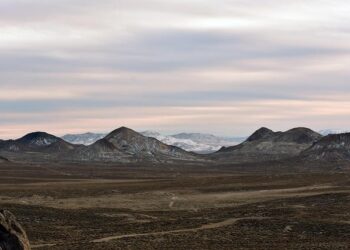
Kazakhstan has spotlighted significant progress in the ecological recovery of the Northern Aral Sea, marking a hopeful turn in one of the world’s most notorious environmental disasters. According to a recent report by Qazinform, efforts to restore the once-devastated region have led to the return of several rare and endangered species, underscoring the impact of sustained conservation initiatives. This development not only signals a revival of the Aral’s fragile ecosystems but also highlights Kazakhstan’s commitment to reversing decades of environmental degradation.
Kazakhstan Showcases Progress in Northern Aral Sea Restoration Efforts
The restoration initiatives in the Northern Aral Sea region have yielded significant ecological improvements, underscoring Kazakhstan’s commitment to reversing decades of environmental degradation. Recent monitoring reports reveal a notable increase in water levels, revitalization of aquatic habitats, and the successful return of several rare and endangered species to the area. Local communities and environmentalists alike have praised the collaborative efforts involving government agencies, international partners, and scientific institutions, which have combined modern hydrological engineering with sustainable resource management practices.
Key indicators of progress include:
- Water level rise: An average increase of 3 meters over the last five years, promoting biodiversity recovery
- Return of rare fauna: Spotted butterfish and the critically endangered Syr Darya sturgeon have been observed in growing numbers
- Community engagement: Over 50 local projects initiated to protect wetlands and support eco-tourism
| Restoration Metric | 2020 | 2024 | Change |
|---|---|---|---|
| Water Surface Area (sq km) | 1,500 | 2,800 | +87% |
| Fish Population Index | 120 | 450 | +275% |
| Bird Species Observed | 45 | 73 | +62% |
Return of Rare Species Marks Significant Milestone in Ecological Recovery
In a remarkable environmental achievement, Kazakhstan has witnessed the resurgence of several rare species in the Northern Aral Sea region, signaling a powerful revival of the local ecosystem. Once devastated by decades of water diversion and ecological neglect, the area is now becoming a thriving habitat again, boasting increased biodiversity and healthier aquatic life. Experts highlight the return of species such as the Saiga antelope, the Aral sturgeon, and various migratory birds, which had long been absent due to habitat loss. This resurgence underscores the success of sustained restoration efforts and international cooperation.
The revival has been supported by multifaceted initiatives focusing on water management, soil restoration, and pollution reduction. Local authorities and environmental groups have worked tirelessly to restore natural water flows and rehabilitate wetlands, creating a sanctuary for wildlife and boosting local livelihoods through eco-tourism. Key indicators of recovery include:
- Increase in fish populations by over 40% in the last five years
- Return of five species previously considered extinct locally
- Expansion of wetland areas supporting migratory bird nesting sites
| Species | Status in 2015 | Status in 2024 |
|---|---|---|
| Aral Sturgeon | Critically Endangered | Stable Population |
| Saiga Antelope | Locally Extinct | Repopulating |
| Pallid Harrier | Rare Migrant | Common Sight |
Experts Recommend Strengthening Conservation Policies to Sustain Rehabilitation Success
Leading environmental specialists emphasize the urgent need to bolster policies that safeguard the fragile ecosystems restored in the Northern Aral Sea region. The remarkable resurgence of rare species, including the reappearance of the critically endangered Siberian crane, serves as a testament to past conservation efforts. However, experts warn that without reinforced regulatory frameworks and sustained funding, these gains risk being reversed. They advocate for stronger cross-border cooperation, enhanced habitat protection measures, and community engagement to ensure the longevity of the rehabilitation progress.
Key recommendations from environmental authorities include:
- Implementing stricter fishing quotas to prevent overexploitation
- Expanding protected areas around critical breeding and feeding sites
- Incorporating traditional ecological knowledge from local communities
- Establishing long-term monitoring programs to track biodiversity changes
- Securing international support for continued restoration projects
| Species | Status in 2010 | Status in 2024 | Population Increase (%) |
|---|---|---|---|
| Siberian Crane | Critically Endangered | Vulnerable | 35% |
| Aral Sturgeon | Near Extinct | Endangered | 22% |
| Marbled Teal | Endangered | Near Threatened | 40% |
Future Outlook
The recent progress in the recovery of Kazakhstan’s northern Aral Sea and the return of rare species mark a significant milestone in environmental restoration efforts. As the region continues to demonstrate resilience, the success serves as a hopeful example for similar ecological initiatives worldwide. Authorities and conservationists remain committed to sustaining this positive trajectory, underscoring the critical importance of coordinated action in reversing decades of environmental degradation.