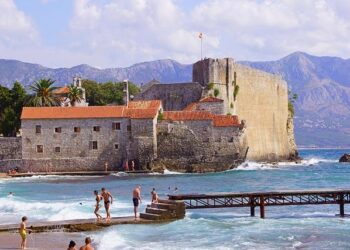
EU leaders have expressed their support for the ongoing efforts to draft the accession treaty with Montenegro, signaling a key step forward in the Western Balkans’ integration into the European Union. During recent high-level meetings, officials emphasized the importance of advancing Montenegro’s EU membership process, highlighting the country’s progress in meeting accession criteria. This development marks a significant milestone in the EU’s broader strategy to strengthen ties and promote stability in the region.
EU Leaders Applaud Progress in Montenegro Accession Negotiations
The European Union has marked significant strides in its negotiation process with Montenegro, emphasizing a constructive and cooperative approach that elevates the country closer to full membership. Officials from various member states highlighted Montenegro’s commitment to fulfilling key criteria, particularly in judicial reforms, anti-corruption measures, and the enhancement of democratic institutions. This progress is viewed as a testament to the Western Balkans’ growing integration efforts and the EU’s dedication to fostering stability and prosperity in the region.
Among the main topics discussed at recent summits, leaders acknowledged the following milestones reached by Montenegro:
- Advancement in aligning national legislation with EU standards
- Improved cooperation in regional security and economic development
- Positive steps in public administration reforms
| Area | Status | Next Steps |
|---|---|---|
| Rule of Law | Progressing | Further judicial independence reforms |
| Economic Alignment | On Track | Strengthen market regulations |
| Regional Cooperation | Developing | Deepen cross-border initiatives |
Detailed Insights on Key Reforms Driving Montenegro’s EU Integration
The accession negotiations between Montenegro and the European Union have been propelled forward by a series of pivotal reforms targeting governance, rule of law, and public administration. Among the most significant advancements is the rigorous overhaul of the judicial system, aimed at enhancing judiciary independence and combating corruption. These changes not only align Montenegro with EU standards but also boost public trust and the investment climate. Additionally, reforms in anti-corruption frameworks have introduced stricter transparency measures and reinforced institutions responsible for oversight, signaling Montenegro’s commitment to upholding EU values.
Economic restructuring also plays a crucial role in the integration process, with emphasis on harmonizing market regulations and improving competitiveness. The government’s sustainable development initiatives prioritize green energy transitions and environmental protection, satisfying key EU environmental benchmarks. Below is a brief overview of the core reform areas and recent developments:
| Reform Area | Key Focus | Status |
|---|---|---|
| Judicial Reform | Independence, Accountability, Anti-corruption | Advanced |
| Public Administration | Efficiency, Transparency | Ongoing |
| Economic Policy | Market alignment, Competitiveness | Implemented |
| Environmental Standards | Green energy, Climate actions | Progressing |
- Rule of law enhancements ensuring stricter legal frameworks and enforcement.
- Public sector digitization to improve service delivery and citizen engagement.
- Investment climate reforms encouraging foreign direct investments.
- Youth and civil society involvement in shaping EU-oriented policies.
Recommendations Emphasize Strengthening Rule of Law and Regional Cooperation
As the negotiations for Montenegro’s accession treaty advance, EU leaders have underscored the imperative of reinforcing the rule of law across the Western Balkans. Central to this process is ensuring that judicial independence, anti-corruption frameworks, and transparent governance mechanisms are not only established but rigorously upheld. Authorities from both the EU and Montenegro are showing keen interest in monitoring progress through measurable benchmarks, aiming to build mutual trust and safeguard institutional integrity before full membership is granted.
Alongside legal reforms, regional cooperation remains a cornerstone of the accession dialogue. Enhanced collaboration on cross-border issues such as trade facilitation, security coordination, and environmental protection is viewed as vital in fostering stability and prosperity. Key recommendations include:
- Strengthening existing regional cooperation platforms to maximize dialogue and joint initiatives.
- Promoting shared economic projects that stimulate growth and connectivity within the Western Balkans.
- Advancing cross-border security and migration management through integrated approaches.
| Priority Area | Focus | Expected Outcome |
|---|---|---|
| Judicial Reform | Independence & Transparency | Increased Public Trust |
| Anti-Corruption | Enforcement & Accountability | Reduced Corruption Cases |
| Regional Trade | Customs & Logistics | Improved Supply Chains |
Closing Remarks
As negotiations continue, EU leaders remain committed to supporting Montenegro’s path toward full membership, emphasizing the importance of meeting all accession criteria. The drafting of the accession treaty marks a significant step in the Western Balkans’ European integration process, reflecting both the region’s aspirations and the EU’s strategic priorities. Observers will be closely watching developments in the coming months as Montenegro moves closer to potentially joining the European Union.