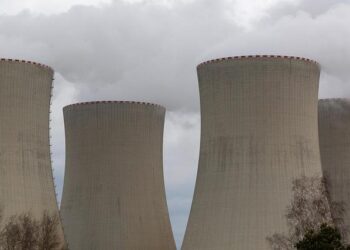
Ukraine has resumed targeted strikes on Russian oil refineries amid escalating tensions and growing frustration with former U.S. President Donald Trump. The renewed attacks mark a significant escalation in Kyiv’s efforts to disrupt Moscow’s energy infrastructure, reflecting mounting anger over perceived lapses in Western support. As the conflict continues to unfold, these developments underscore the shifting dynamics in Ukraine’s military strategy and the complex geopolitical fallout surrounding the war.
Ukraine Intensifies Attacks on Russian Oil Infrastructure Amid Rising Tensions
In a bold escalation, Ukrainian forces have launched a series of targeted strikes against key Russian oil refineries and storage facilities, aiming to disrupt the Kremlin’s energy supply chain amid escalating political discord. These attacks, which followed weeks of mounting frustration over stalled diplomatic efforts and perceived foreign interference, mark a significant shift in Ukraine’s military strategy. Officials report that the precision strikes have inflicted notable damage, with several refineries experiencing operational halts and supply bottlenecks, further straining Russia’s already vulnerable energy infrastructure.
Key implications of the strikes include:
- Diminished fuel exports, impacting Russia’s economic revenues.
- Heightened tensions between the warring nations and potential for broader conflict escalation.
- Increased pressure on international actors to reassess their diplomatic positions.
| Refinery Location | Damage Assessment | Operational Status |
|---|---|---|
| Komsomolsk | Severe structural damage | Offline |
| Nizhnekamsk | Moderate equipment loss | Partial operations |
| Kirishi | Minor fires contained | Operational |
Analyzing the Impact of Energy Strikes on Russia’s War Capabilities and Global Markets
Recent Ukrainian strikes targeting key Russian oil refineries have sent shockwaves through both Moscow’s war machine and the global energy markets. By crippling vital fuel processing infrastructure, these attacks directly undermine Russia’s logistical capabilities, limiting the availability of refined petroleum products crucial for military operations. Experts highlight that sustained disruption to this energy supply chain could lead to decreased mobility for Russian forces, impacting their operational tempo and strategic flexibility.
Beyond the battlefield, the reverberations of these strikes are felt worldwide. Global oil prices experienced sharp fluctuations as markets reacted to the uncertainty surrounding Russian energy exports. Key factors driving this volatility include:
- Supply chain instability: Damaged refineries reduce export volumes, tightening global supply.
- Investor anxiety: Heightened geopolitical risk fuels speculative trading.
- Policy responses: Nations recalibrate energy strategies to mitigate reliance on Russian resources.
| Impact Area | Short-Term Effect | Long-Term Outlook |
|---|---|---|
| Russian Military | Reduced fuel availability | Potential operational setbacks |
| Global Oil Markets | Price volatility | Increased search for alternative suppliers |
| Energy Security | Heightened alert | Accelerated diversification efforts |
Expert Recommendations for Diplomacy and Support to De-escalate the Conflict
Leading international experts urge a renewed commitment to multilateral dialogue as an essential pathway to easing tensions. They emphasize the need for direct communication channels between Kyiv and Moscow, facilitated by neutral third-party mediators, to prevent miscalculations and unintended escalation. Strengthening diplomatic backchannels alongside transparent communication strategies can foster trust even amidst rising hostilities.
Strategic support from global powers should focus on humanitarian aid, conflict resolution training, and economic stabilization measures rather than purely military assistance. Specialists recommend a coordinated approach that includes:
- Enhanced sanctions targeting military logistics, carefully designed to avoid civilian harm
- Support for ceasefire monitoring missions within contested zones
- Promotion of intergovernmental forums to prioritize de-escalation steps
| Diplomatic Action | Expected Outcome | Lead Actors |
|---|---|---|
| Mediated Peace Talks | Reduction in hostilities | UN, OSCE |
| Targeted Sanctions | Limit Military Resources | EU, US, UK |
| Humanitarian Corridors | Safe Passage for Civilians | Red Cross, NGOs |
Closing Remarks
As Ukraine escalates its offensive against Russian oil infrastructure, the renewed strikes underscore the deepening tensions in the ongoing conflict. With mounting frustration directed toward former U.S. President Donald Trump, Kyiv’s actions signal a determined stance amid geopolitical complexities. The situation remains fluid, with international observers closely monitoring the implications for regional stability and the broader global energy landscape.