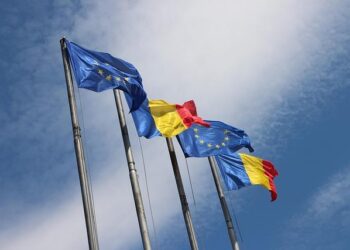
As Montenegro continues its bid to join the European Union, recent developments suggest mounting tensions involving Croatia and Germany. Reports have emerged indicating that Germany may be exerting pressure on Croatia regarding its stance on Montenegro’s EU accession process. This dynamic adds a new layer of complexity to the already intricate negotiations within the Western Balkans, where regional relationships and EU politics intersect. In this article, we explore the allegations of German influence on Croatian positions and assess their potential impact on Montenegro’s path toward EU membership.
Germany’s Influence on Croatia’s Stance Toward Montenegro’s EU Accession
Germany’s role in the Western Balkans diplomatic chessboard has become increasingly visible, especially regarding Montenegro’s EU accession process. Reports suggest that Berlin is subtly leveraging its influence over Zagreb to soften Croatia’s historically cautious stance. Given Germany’s position as a leading EU power and its vested interest in stabilizing the region, Croatian officials find themselves navigating complex bilateral expectations while balancing domestic political considerations. The pressure appears less about public demands and more about behind-the-scenes diplomatic nudging aimed at creating a united front in Brussels.
The dynamics of this influence can be unpacked through the following factors:
- Economic ties: Germany remains Croatia’s largest trading partner, creating an incentive to maintain close cooperation.
- EU strategic interests: Berlin prioritizes Balkan integration to prevent regional instability that could affect the EU’s external borders.
- Diplomatic signaling: Croatia’s stance on Montenegro sends ripples across Balkan policy discussions, making alignment crucial for Germany’s broader agenda.
| Stakeholder | Interest | Influence Method |
|---|---|---|
| Germany | Regional stability and EU enlargement | Economic leverage & diplomatic pressure |
| Croatia | National interests & Balkan relations | Balancing EU alignment and domestic politics |
| Montenegro | EU accession progress | Compliance with EU conditions |
Analyzing the Political and Economic Implications of Germany’s Pressure
Germany’s stance on Montenegro’s EU accession has triggered a delicate diplomatic balancing act with Croatia, reflecting broader political realignments within the European Union. Berlin’s insistence on Croatia playing a more assertive role in managing Montenegro’s candidacy stems from concerns about regional stability and the integrity of the EU enlargement process. This pressure elevates Croatia from a passive observer to an active gatekeeper, potentially straining its bilateral relations with Montenegro while aligning Warsaw and Berlin’s strategic interests.
Economically, this maneuver carries implications beyond diplomacy. Should Croatia acquiesce to Germany’s demands, it might gain leverage over EU funding allocations and infrastructure projects targeting the Western Balkans. The table below summarizes key political and economic facets at play:
| Aspect | Implications for Croatia | Implications for Montenegro |
|---|---|---|
| Political Influence | Increased regional clout as mediator | Delayed accession, need to address EU concerns |
| Economic Benefits | Potential boost in EU structural funds | Uncertain investment climate during negotiations |
| Strategic Positioning | Alignment with core EU powers | Risk of geopolitical isolation |
- Germany’s approach highlights its preference for a cautious, criteria-based accession framework, which demands stronger compliance from Montenegro.
- Croatia’s role as a neighborhood partner requires balancing national interests with EU-wide commitments.
- Montenegro faces intensified scrutiny, particularly on rule-of-law reforms and anti-corruption measures.
Strategic Recommendations for Croatia in Navigating EU Enlargement Dynamics
Croatia stands at a pivotal juncture amid the complex dynamics of EU enlargement, particularly concerning Montenegro’s accession prospects. To safeguard its national interests while sustaining constructive relations within the bloc, Zagreb must adopt a multifaceted strategy focused on diplomatic agility and regional leadership. Prioritizing transparent dialogue with EU heavyweights such as Germany, Croatia can leverage its unique position as both an EU member and a Balkan neighbor to advocate for balanced enlargement policies that support stability without sacrificing its own strategic objectives.
Key elements of Croatia’s approach should include:
- Strengthening bilateral ties with influential EU countries to mitigate external pressure and gain backing for its regional agenda.
- Promoting economic cooperation in the Western Balkans to enhance integration and create mutual dependencies that favor peaceful enlargement.
- Engaging proactively in EU forums to shape enlargement frameworks that accommodate Croatia’s concerns on rule of law, migration, and security.
Through these measures, Croatia can position itself not only as a mediator but as a pivotal actor influencing the trajectory of EU expansion in Southeastern Europe.
| Strategic Focus | Expected Outcome |
|---|---|
| Diplomatic Engagement with Germany | Reduced bilateral tension, access to EU decision-making |
| Regional Infrastructure Projects | Enhanced economic ties, shared growth opportunities |
| EU Policy Advocacy | Stronger influence on enlargement criteria and timelines |
To Wrap It Up
As tensions surrounding Montenegro’s EU accession continue to unfold, Germany’s position appears to be a pivotal factor in the ongoing regional dynamics. While official statements emphasize cooperation and adherence to EU protocols, the complexities of Balkan politics suggest underlying pressures may influence decision-making processes. Observers will be closely watching how Croatia navigates this diplomatic terrain, balancing national interests with broader European integration goals. The coming months are likely to reveal whether Germany’s stance will shape Montenegro’s EU trajectory or if alternative solutions will emerge within the union’s negotiation framework.