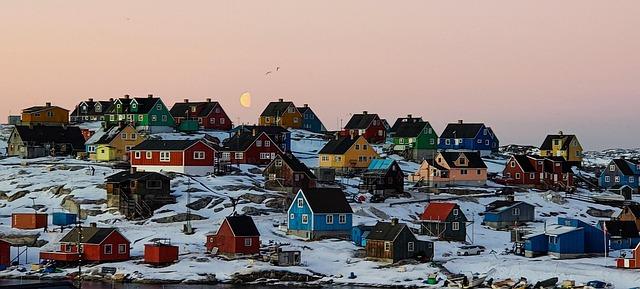
The International Olympic Committee (IOC) has decisively dismissed calls for the recognition of Greenland and the Faroe Islands as independent Olympic entities, reaffirming its stance on the criteria for National Olympic Committee (NOC) membership. This development marks a significant setback for the two autonomous territories, which have long sought separate representation on the world’s premier sporting stage. The IOC’s decision, announced at the latest session, underscores the challenges faced by territories without full sovereign status in gaining Olympic recognition, sparking debate over the future of regional sports governance.
IOC Decision Leaves Greenland and Faroe Islands Outside International Sporting Recognition
In a move stirring considerable debate within the international sporting community, the International Olympic Committee (IOC) has formally declined to recognize Greenland and the Faroe Islands as independent entities eligible for Olympic participation. Despite their unique cultural identities and autonomous sports organizations, both territories remain under the auspices of Denmark in the eyes of the IOC, effectively restricting their access to independent representation at the Olympic Games. This decision underscores the IOC’s strict adherence to existing political boundaries rather than cultural or regional distinctions when determining eligibility for National Olympic Committees (NOCs).
Key factors influencing the IOC’s stance include:
- Recognition protocols tied to United Nations membership status
- The precedent set by the IOC in maintaining a consistent geopolitical framework
- Concerns over an influx of small or semi-autonomous territories seeking separate representation
| Territory | Population | IOC Status | Current Olympic Representation |
|---|---|---|---|
| Greenland | 56,000 | Not Recognized | Denmark |
| Faroe Islands | 53,000 | Not Recognized | Denmark |
Challenges and Implications for Athletes from Non-Recognized Territories
Athletes hailing from territories like Greenland and the Faroe Islands face an uphill battle following the IOC’s refusal to recognize their National Olympic Committees. Without official recognition, these competitors are effectively excluded from participating under their own flags at the Olympic Games, forcing many to either compete under the Danish flag or forgo international participation altogether. This limitation not only stifles their national pride but also impacts access to crucial funding, training resources, and international exposure typically facilitated by recognized committees.
The broader implications ripple beyond individual athletes, affecting national sports development programs and local economies that benefit from sporting success and representation. Key challenges include:
- Limited funding opportunities: IOC-endorsed committees often unlock government and private sector sponsorships, now largely inaccessible.
- Reduced visibility: Without official status, athletes struggle to attract endorsements and media attention.
- Impact on grassroots development: Lack of recognition dampens youth engagement and long-term sports planning.
| Challenge | Impact |
|---|---|
| Funding Restrictions | Limits training and competition opportunities |
| Identity Issues | Athletes forced to compete under other countries’ flags |
| Developmental Constraints | Hampered sports growth and talent nurturing |
Strategies for Greenland and Faroe Islands to Engage with Global Sports Governance
Given the IOC’s recent stance, Greenland and the Faroe Islands must explore alternative pathways to maintain and enhance their presence within the global sports arena. One viable approach is forging strategic partnerships with international sports federations. By engaging directly with bodies that govern disciplines popular in their regions-such as handball, sailing, and winter sports-both territories can secure invitations to compete in world championships and joint training programs, circumventing the need for IOC recognition. Additionally, emphasizing their unique cultural identity through hosting regional tournaments can attract international attention while fostering local talent development.
Another critical strategy involves leveraging diplomatic channels to elevate their sports governance on the global stage. Collaboration with Nordic and European sports organizations can strengthen their case for inclusion in multisport events like the European Games or Arctic Winter Games. Embracing digital platforms to broadcast and showcase athlete achievements also presents a cost-effective method to gain worldwide visibility. Below is a snapshot of potential engagement avenues for Greenland and the Faroe Islands:
| Engagement Avenue | Key Actions | Potential Impact |
|---|---|---|
| International Federations | Active participation, hosting events | Regular competition, exposure |
| Regional Multi-sport Events | Lobby for inclusion, joint bids | Increased visibility, athlete experience |
| Digital Broadcasting | Live streaming, social media campaigns | Global audience reach, sponsorship interest |
| Diplomatic Sports Alliances | Partnership agreements, cultural exchange | Stronger political support, resource sharing |
The Way Forward
As the International Olympic Committee firmly rejects the recognition of Greenland and the Faroe Islands as independent Olympic entities, the path for these territories to participate under their own flags remains uncertain. This decision underscores the complexities surrounding national representation and the IOC’s commitment to established protocols. Moving forward, athletes from these regions will continue to compete under the banners of their respective sovereign states, keeping alive the conversation about regional identity and sporting autonomy within the Olympic movement.