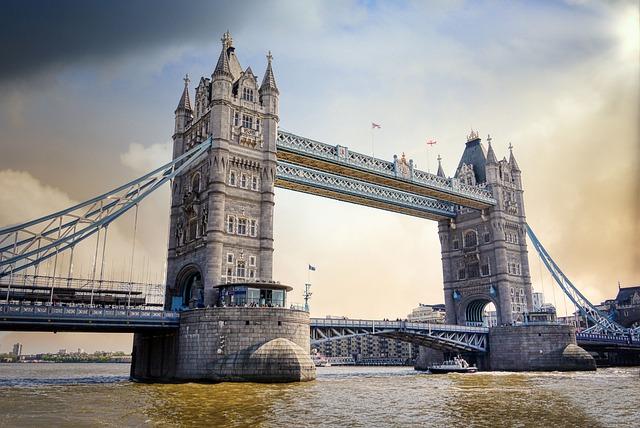
The United Kingdom has reaffirmed its steadfast commitment to media freedom through continued collaboration with UNESCO, underscoring the country’s dedication to upholding press independence and combating misinformation worldwide. As global challenges to free expression intensify, the UK’s partnership with the United Nations agency highlights a strategic effort to support journalists, promote transparency, and safeguard democratic values in an increasingly complex media landscape. This ongoing alliance signals a robust approach to ensuring that the principles of a free and open press remain central to both national and international discourse.
United Kingdom Reinforces Media Freedom in Partnership with UNESCO
In a dynamic stride towards ensuring a robust and transparent media landscape, the United Kingdom has intensified its collaborative efforts with UNESCO to safeguard press freedoms. This partnership aims to bolster the safety of journalists and amplify independent reporting, recognizing that a free press is a cornerstone of democratic societies. Key focus areas include:
- Enhancing journalist protection frameworks across digital and traditional platforms.
- Promoting media literacy initiatives to empower communities with critical news consumption skills.
- Supporting investigative journalism projects that hold power to account.
These committed actions follow a series of strategic meetings and workshops between UK government officials and UNESCO representatives. The progress is highlighted in the table below, which showcases recent milestones in media freedom enhancement:
| Initiative | Implementation Date | Impact |
|---|---|---|
| Journalist Safety Training Program | March 2024 | Over 500 journalists trained nationwide |
| Media Literacy Campaign Launch | April 2024 | Reached 1 million citizens via schools and social media |
| Investigative Grants Fund | May 2024 | Funded 12 exposé projects uncovering corruption |
Strategies and Initiatives Driving Press Independence Across the UK
The UK has rolled out a multifaceted approach to safeguard press freedom, emphasizing legal reforms, financial support, and robust oversight mechanisms. Central to this effort is the strengthening of statutory protections for journalists, ensuring they can operate without fear of undue censorship or retaliation. Public and private partnerships have been vital, offering resources that empower investigative journalism and champion transparency. These initiatives not only reinforce ethical reporting standards but also foster an environment where diverse voices thrive across all media platforms.
Among the key drivers of press independence are government-backed funds and educational programs designed to cultivate journalistic talent and uphold media literacy. Strategic collaborations with watchdog groups and international organizations facilitate real-time monitoring of press restrictions and promote global best practices. Below is an overview of the primary strategies currently shaping the media landscape:
- Legal Safeguards: Enhanced protections against libel and defamation lawsuits targeting journalists.
- Funding Initiatives: Grants and subsidies allocated to support investigative reports and local journalism.
- Media Literacy Campaigns: National programs aimed at educating the public on the importance of a free press.
- Collaborative Oversight: Partnerships between governmental bodies and international watchdogs.
| Initiative | Purpose | Impact |
|---|---|---|
| Journalist Legal Defense Fund | Provides legal aid to journalists facing lawsuits | Increased protection for investigative reporters |
| Community News Grants | Funds local and independent media outlets | Boosts diversity in news coverage |
| Press Freedom Education | Enhances awareness of media rights | Improved public support for free journalism |
Experts Recommend Strengthening Legal Protections for Journalists in the Digital Age
In response to the growing challenges faced by journalists operating within an increasingly complex digital environment, experts are urging governments to implement robust legal frameworks that ensure the safety and freedom of the press. These recommendations emphasize the necessity for updated laws that address cybersecurity threats, online harassment, and the misuse of digital platforms to silence critical voices. By adapting to these new realities, legislation can better protect journalists from intimidation and abuse while upholding ethical standards essential to democratic societies.
Key areas highlighted for legal reinforcement include:
- Enhanced safeguards against digital surveillance and data breaches targeting reporters
- Clear penalties for online harassment and disinformation campaigns directed at media workers
- Guarantees for press access in conflict zones and areas with restrictive internet policies
| Protection Area | Recommended Actions |
|---|---|
| Cybersecurity | Implement encryption and secure communication protocols |
| Legal Accountability | Establish clear consequences for digital threats and harassment |
| Access Rights | Ensure unfettered journalistic entry to critical information sites |
Final Thoughts
As the United Kingdom reinforces its dedication to media freedom in collaboration with UNESCO, it sets a significant example on the global stage. This ongoing commitment not only underscores the importance of a free and independent press in democratic societies but also highlights the UK’s role in championing these values worldwide. Moving forward, the partnership between the UK and UNESCO will remain a critical force in safeguarding journalistic integrity and promoting the unrestricted flow of information in an increasingly complex media landscape.