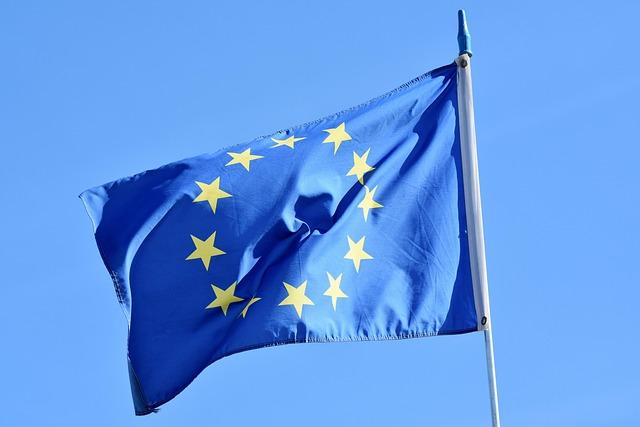
As the European Union sets its sights on expansion in 2026, Ukraine, Moldova, and several Western Balkan countries are poised to take significant steps toward membership. This prospective enlargement marks a critical moment for the bloc, reflecting both geopolitical shifts and long-standing integration ambitions. With accession talks advancing amid complex political, economic, and social challenges, the EU faces a pivotal decision that could reshape the continent’s future. This article examines the latest developments in the enlargement process and what they mean for the EU and candidate countries alike.
Challenges and Opportunities for Ukraine and Moldova in the EU Enlargement Process
As Ukraine and Moldova navigate the path towards EU membership, they face a complex array of challenges that test their political resilience and economic adaptability. Reforming judicial systems, combating corruption, and ensuring media freedom remain top priorities to meet Brussels’ stringent accession criteria. Additionally, ongoing geopolitical tensions in Eastern Europe exert pressure on both countries to align their security policies with EU standards, complicating diplomatic efforts. Meanwhile, alignment with the EU’s Green Deal demands significant investments in sustainable infrastructure, requiring external funding and technical support. These hurdles are amplified by the urgent need to stabilize economies still recovering from pandemic-induced shocks and regional conflicts.
Despite these obstacles, the enlargement process opens up promising opportunities for enhanced regional integration and economic growth. Access to the EU single market will likely boost exports and attract foreign investment, fostering innovation and job creation in key sectors like agriculture and information technology. Financial aid packages dedicated to institutional reforms and infrastructure development could accelerate modernization efforts. Furthermore, cooperation frameworks with Western Balkans candidates create a platform for sharing best practices and building resilient networks of trade and security. Below is a snapshot of key factors shaping the journey ahead:
- Political reforms: Strengthening democratic institutions and rule of law
- Economic alignment: Harmonizing regulations and trade policies
- Security cooperation: Addressing external threats and fostering stability
- Environmental compliance: Meeting EU sustainability standards
- Regional collaboration: Engaging with Western Balkans for shared challenges
| Factor | Ukraine | Moldova | |||||||||||||||||||||||||||||||||
|---|---|---|---|---|---|---|---|---|---|---|---|---|---|---|---|---|---|---|---|---|---|---|---|---|---|---|---|---|---|---|---|---|---|---|---|
| Judicial reform progress | Moderate, ongoing challenges | Accelerated, but uneven | |||||||||||||||||||||||||||||||||
| Economic growth forecast | 5.2% (2026 est.) | 4.5% (2026 est.) | |||||||||||||||||||||||||||||||||
| EU financial aid (€ billion) | 7.7 | 3.1 | |||||||||||||||||||||||||||||||||
| Geopolitical risks | High | Moderate |
| Factor | Ukraine | Moldova | |||||||||||||||||||||||||||||||||
|---|---|---|---|---|---|---|---|---|---|---|---|---|---|---|---|---|---|---|---|---|---|---|---|---|---|---|---|---|---|---|---|---|---|---|---|
| Judicial reform progress | Moderate, ongoing challenges | Accelerated, but uneven | |||||||||||||||||||||||||||||||||
| Economic growth forecast | 5.2% (2026 est.) | 4.5% (2026 est.) | |||||||||||||||||||||||||||||||||
| EU financial aid (€ billion) | 7.7 | 3
Western Balkans Integration Prospects and Political Reform ImperativesAs the Western Balkans move closer to EU accession talks, the region faces a critical juncture where political reform is not just desirable but essential. Countries must confront entrenched governance challenges, including corruption, weak rule of law, and limited media freedom, if they are to align themselves with the EU’s democratic standards. Strengthening judicial independence and enhancing transparency in public administration remain top priorities for policymakers intent on demonstrating their readiness for deeper integration. The path forward involves a multifaceted approach, characterized by vigorous reforms supported by consistent monitoring from EU institutions. Key areas demanding urgent attention include:
Strategic Recommendations for Accelerating EU Accession and Strengthening Regional StabilityTo expedite the EU integration process for Ukraine, Moldova, and Western Balkans, a multi-layered approach focusing on political will, institutional reforms, and enhanced economic cooperation is imperative. Prioritizing transparency in judiciary systems, combating corruption effectively, and aligning national legislation with the EU acquis are fundamental steps that must be rigorously implemented. Moreover, fostering closer cooperation between EU institutions and candidate countries through dedicated funding mechanisms and technical assistance will accelerate harmonization and build public trust in the enlargement process. Regional stability hinges not only on integration but also on strengthening security frameworks and economic interdependence within the Western Balkans and Eastern Europe. Encouraging dialogue platforms that connect diverse ethnic and political groups will mitigate tensions, while investments in cross-border infrastructure and green energy projects can serve as catalysts for sustainable growth. The table below outlines key priority areas and recommended measures to ensure a coordinated strategy across the region.
The Way ForwardAs the EU charts its course toward enlargement in 2026, the inclusion of Ukraine, Moldova, and the Western Balkans stands as a transformative milestone for the bloc’s political and economic landscape. While the path ahead remains complex, marked by rigorous reforms and geopolitical challenges, the prospect of a broader, more integrated Europe underscores the EU’s commitment to stability and unity on the continent. Stakeholders and citizens alike will be watching closely as negotiations advance, shaping the future of the European Union in the years to come. ADVERTISEMENT  Related Posts |