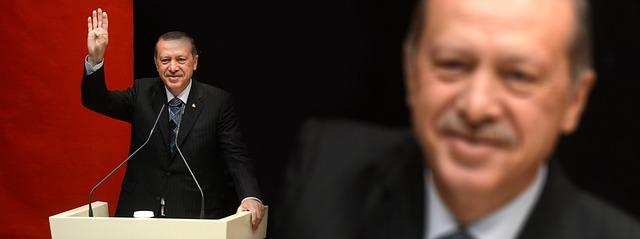
At the COP31 climate summit in Antalya, Turkish President Recep Tayyip Erdoğan held a significant meeting with the members of the Bosnia-Herzegovina Presidency, underscoring the deepening ties between Türkiye and the Balkan nation. The high-level discussion, taking place amid global efforts to tackle climate change, highlighted cooperation on environmental initiatives as well as broader political and economic collaboration. This encounter marks a notable moment in Türkiye’s diplomatic engagements at the international conference, reflecting its strategic interest in regional partnerships.
Erdogan Discusses Climate Collaboration with Bosnia-Herzegovina Presidency at COP31 in Antalya
President Recep Tayyip Erdoğan engaged in pivotal discussions with the members of the Bosnia-Herzegovina presidency during the 31st Conference of the Parties (COP31) held in Antalya. The talks centered around enhancing bilateral cooperation to address the escalating challenges of climate change. Both parties emphasized the significance of shared responsibility and regional solidarity in implementing sustainable environmental policies. The dialogue also highlighted opportunities for joint projects focusing on renewable energy development, carbon footprint reduction, and climate resilience strategies in vulnerable communities.
Key focal points emphasized during the meeting included:
- Strengthening green energy partnerships and technology exchange
- Collaborative efforts in climate adaptation and disaster risk management
- Joint initiatives to meet emission reduction targets under the Paris Agreement
- Capacity-building programs to raise awareness and involve local stakeholders
| Area | Türkiye’s Commitment | Bosnia-Herzegovina’s Commitment |
|---|---|---|
| Renewable Energy | Investment in solar and wind projects | Development of hydroelectric infrastructure |
| Emission Reduction | National carbon pricing mechanisms | Enhanced reporting and transparency |
| Climate Adaptation | Urban resilience programs | Rural community risk assessments |
Focus on Regional Environmental Strategies and Sustainable Development Initiatives
During the COP31 summit in Antalya, President Erdoğan and the Bosnia-Herzegovina presidency members engaged in profound discussions centered on strengthening regional collaborations to combat climate change. Emphasis was placed on the integration of cross-border environmental policies aimed at preserving ecosystems while promoting economic resilience in the Balkans and Türkiye. Key initiatives highlighted included:
- Joint afforestation programs to mitigate deforestation effects.
- Shared investments in renewable energy projects such as solar and wind.
- Enhanced water resource management strategies to address regional droughts.
The meeting underscored the importance of aligning national targets with the broader Sustainable Development Goals (SDGs), focusing on sustainable urban development, clean energy access, and climate education. Both parties agreed to a roadmap fostering transparent data sharing and capacity-building workshops to empower local communities, ensuring long-term sustainability and environmental justice across the region.
| Initiative | Target Area | Expected Outcome |
|---|---|---|
| Renewable Energy Expansion | Western Balkans & Türkiye | 25% increase in clean energy production by 2027 |
| Transboundary Water Management | Drina River Basin | Improved water quality and sustainable usage |
| Community Climate Education | Urban & Rural Areas | Enhanced public awareness and engagement |
Experts Recommend Strengthening Bilateral Agreements to Accelerate Green Energy Projects
During their discussions at COP31, experts underscored the urgent need for stronger bilateral frameworks to unlock the full potential of green energy initiatives between Türkiye and Bosnia-Herzegovina. They highlighted that robust agreements not only facilitate streamlined project approvals and funding but also enhance technology transfer and capacity-building efforts on both sides. Key figures emphasized that integrating environmental goals with economic cooperation creates a synergistic pathway to meet global climate commitments faster and more efficiently.
Recommendations from the panel included:
- Standardizing cross-border regulatory procedures to reduce administrative delays.
- Establishing joint investment funds dedicated to renewable energy infrastructure.
- Prioritizing public-private partnerships that blend innovation with local expertise.
- Encouraging knowledge exchange programs to build skilled green energy workforces.
These strategic moves are expected to position both countries as regional leaders in sustainable energy, fostering long-term resilience and economic growth.
| Key Focus Areas | Expected Impact |
|---|---|
| Regulatory Alignment | Faster project approvals |
| Joint Funding Mechanisms | Increased capital flow |
| Public-Private Partnerships | Enhanced innovation and scalability |
| Workforce Training | Skilled labor force for project sustainability |
| Key Focus Areas | Expected Impact |
|---|---|
| Regulatory Alignment | Faster project approvals |
| Joint Funding Mechanisms | Increased capital flow |
| Public-Private Partnerships | Enhanced innovation and scalability |
| To Conclude
The meeting between Turkish President Recep Tayyip Erdoğan and the members of the Bosnia-Herzegovina presidency at COP31 in Antalya underscores the ongoing diplomatic engagement between the two nations amid global climate discussions. As both Türkiye and Bosnia-Herzegovina navigate environmental challenges, their dialogue highlights a shared commitment to collaborative solutions. Observers will be watching closely to see how these bilateral talks influence broader regional cooperation on climate action moving forward. ADVERTISEMENT  Related Posts |