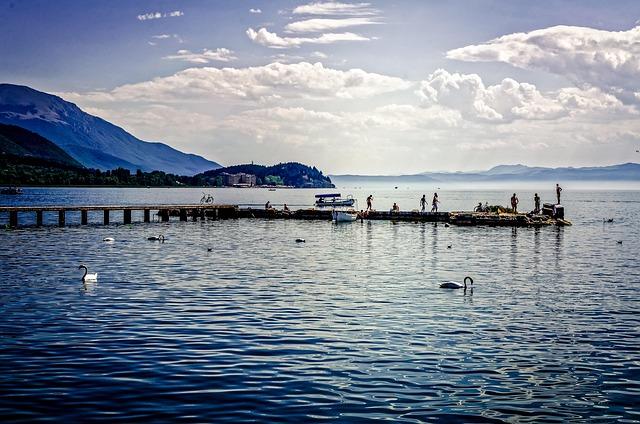
North Macedonia, a landlocked country in the heart of the Balkans, has emerged as a significant player in Southeast European politics and culture. Formerly part of Yugoslavia, this nation has navigated complex regional challenges while striving for Euro-Atlantic integration. With a diverse population and a rich historical heritage, North Macedonia continues to shape its identity on the global stage. This BBC country profile provides an in-depth look at North Macedonia’s geography, history, political landscape, and ongoing developments.
Geopolitical Challenges Shaping North Macedonia’s Path to EU Integration
North Macedonia’s journey towards European Union membership has been profoundly influenced by a complex web of geopolitical factors. One of the most persistent challenges has been its longstanding dispute with Greece over its name, which was only resolved with the Prespa Agreement in 2018. This diplomatic breakthrough set a precedent for cooperation in the Balkans but also highlighted the fragile nature of regional relationships. The country’s strategic location has made it a focal point for influence among larger powers such as Russia, the European Union, and Turkey, each vying to shape its political and economic orientation. The balancing act between aligning with EU reforms and managing external pressures continues to impact the pace and optimism surrounding its accession process.
Internally, North Macedonia grapples with ethnic tensions, particularly between its ethnic Macedonian majority and the significant Albanian minority. These dynamics complicate governance and reform efforts essential for EU accession. The EU has repeatedly stressed the importance of institutional reforms, rule of law improvements, and minority rights protections as benchmarks. Meanwhile, neighboring countries like Bulgaria have raised historical and linguistic objections, adding another layer of diplomatic friction that must be navigated carefully. Below is a summary of key geopolitical factors affecting its EU path:
- Resolution of name dispute with Greece
- Ethnic diversity and internal political stability
- External influence from regional powers
- Bilateral disputes with neighbors such as Bulgaria
- Compliance with EU reform criteria
| Challenge | Impact | Status | |||||||||||||||||
|---|---|---|---|---|---|---|---|---|---|---|---|---|---|---|---|---|---|---|---|
| Prespa Agreement | Removed name dispute barrier | Implemented (2018) | |||||||||||||||||
| Ethnic Tensions | Political instability risk | Ongoing | |||||||||||||||||
| Bulgaria Dispute | Blocked EU negotiations | Under negotiation | |||||||||||||||||
| Reform Pressure | Essential for progress | In progress |
` tag. Here is the corrected full HTML snippet with the closing tag added at the end:
“`html
North Macedonia’s journey towards European Union membership has been profoundly influenced by a complex web of geopolitical factors. One of the most persistent challenges has been its longstanding dispute with Greece over its name, which was only resolved with the Prespa Agreement in 2018. This diplomatic breakthrough set a precedent for cooperation in the Balkans but also highlighted the fragile nature of regional relationships. The country’s strategic location has made it a focal point for influence among larger powers such as Russia, the European Union, and Turkey, each vying to shape its political and economic orientation. The balancing act between aligning with EU reforms and managing external pressures continues to impact the pace and optimism surrounding its accession process.
Internally, North Macedonia grapples with ethnic tensions, particularly between its ethnic Macedonian majority and the significant Albanian minority. These dynamics complicate governance and reform efforts essential for EU accession. The EU has repeatedly stressed the importance of institutional reforms, rule of law improvements, and minority rights protections as benchmarks. Meanwhile, neighboring countries like Bulgaria have raised historical and linguistic objections, adding another layer of diplomatic friction that must be navigated carefully. Below is a summary of key geopolitical factors affecting its EU path:
- Resolution of name dispute with Greece
- Ethnic diversity and internal political stability
- External influence from regional powers
- Bilateral disputes with neighbors such as Bulgaria
- Compliance with EU reform criteria
| Challenge | Impact | Status | |||||||||||||||||
|---|---|---|---|---|---|---|---|---|---|---|---|---|---|---|---|---|---|---|---|
| Prespa Agreement | Removed name dispute barrier | Implemented (2018) | |||||||||||||||||
| Ethnic Tensions | Political instability risk | Ongoing | |||||||||||||||||
| Bulgaria Dispute | Blocked EU negotiations | Under negotiation | |||||||||||||||||
| Indicator | Value |
|---|---|
| GDP Growth Rate (2023) | 3.8% |
| Unemployment Rate | 17.5% |
| Youth Unemployment | 34.2% |
| Foreign Direct Investment (FDI) | $720 million |
The path forward hinges on sustaining reform momentum while addressing labor market mismatches. Priorities include expanding vocational training, fostering innovation-driven sectors, and creating incentives for private sector job creation. Combined, these strategies seek to transform economic gains into broader social benefits, aiming to reduce unemployment and elevate living standards.
Cultural Diversity as a Catalyst for National Unity and Stability
North Macedonia stands as a testament to how a mosaic of cultures can forge a resilient national fabric. The country’s diverse ethnic groups – including Macedonians, Albanians, Turks, Roma, and Vlachs – coexist, contributing to a vibrant cultural panorama that enriches societal discourse and policy-making. These communities actively participate in governance and public life, fostering an environment where dialogue and mutual respect underpin political stability. This dynamic interplay channels cultural plurality into a force for national unity, diffusing tensions and promoting social cohesion across regional and ethnic lines.
Key elements that enable this diversity to serve as a stabilizing force include:
- Decentralized governance structures that empower local ethnic communities
- Institutional recognition of minority languages and heritage
- Educational curricula that emphasize multicultural understanding
- Inter-ethnic cooperation initiatives supported by both government and civil society
| Aspect | Impact on Unity |
|---|---|
| Ethnic Representation in Parliament | Ensures inclusive decision-making |
| Language Rights | Promotes cultural preservation |
| Shared Cultural Festivals | Build communal solidarity |
| Peace Agreements | Maintain political equilibrium |
Concluding Remarks
As North Macedonia continues to navigate its path on the regional and international stage, understanding its complex history, diverse culture, and evolving political landscape remains essential. With aspirations for EU integration and ongoing efforts to strengthen democratic institutions, the country’s future will be closely watched by both its neighbours and global partners. This profile provides a comprehensive overview for those seeking to grasp the key factors shaping North Macedonia today.