

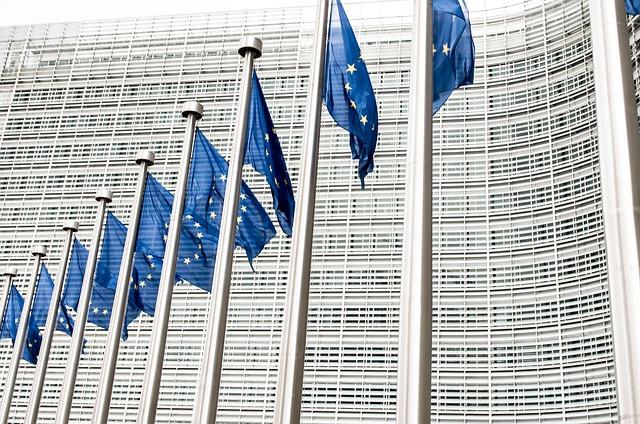
The European Commission has revised its economic outlook for Slovenia, raising the country’s GDP growth forecast for 2026 to 3.9%, according to the latest report by SeeNews. This upward adjustment reflects improved economic conditions and positive momentum within the Slovenian economy, signaling stronger-than-expected performance in the coming years. The revised forecast underscores the optimism surrounding Slovenia’s growth prospects amid ongoing regional and global economic challenges.
EU Commission Revises Slovenia’s Economic Outlook With Upward Growth Adjustment
The European Commission has revised its economic projections for Slovenia, signaling increased confidence in the country’s growth trajectory. The latest forecast now anticipates a 3.9% GDP growth rate for 2026, marking a notable upward adjustment from previous estimates. This revision reflects stronger-than-expected domestic demand, robust export performance, and ongoing structural reforms aimed at boosting competitiveness.
Key factors influencing the revised forecast include:
- Improved investment climate stimulating private sector expansion
- Resilient labor market supporting consumer spending
- Positive spillovers from increased EU funding for infrastructure projects
| Year | Previous Growth Forecast | Revised Growth Forecast |
|---|---|---|
| 2025 | 3.2% | 3.5% |
| 2026 | 3.5% | 3.9% |
Factors Driving Slovenia’s Stronger GDP Performance in 2026
The upward revision of Slovenia’s GDP growth forecast to 3.9% in 2026 is underpinned by several dynamic factors positioning the country as a standout performer in the European Union. Robust industrial output, particularly in the automotive and pharmaceutical sectors, is fueling export demand and supporting higher investment rates. Furthermore, the government’s commitment to digital transformation and green initiatives has attracted significant foreign direct investment, enhancing productivity and innovation across key economic segments.
Additional drivers contributing to this brighter economic outlook include:
- Strong domestic consumption bolstered by rising wage growth and stable employment levels
- Improved infrastructure projects facilitating better connectivity and logistics efficiency
- Favorable EU funding allocations targeted at sustainable development and technology upgrades
| Sector | Projected Growth 2026 | Contribution to GDP (%) |
|---|---|---|
| Automotive | 5.2% | 14% |
| Pharmaceuticals | 4.7% | 9% |
| Information Technology | ||
| Information Technology | 6.1% | 11% |
| Renewable Energy | 7.0% | 5% |
| Policy Area | Focus Actions | Expected Impact |
|---|---|---|
| Innovation & R&D | Increase grants & tax incentives | Boost tech sector output by 15% |
| Labor Market | Expand vocational training | Reduce unemployment by 2% |
| Infrastructure | Upgrade transport networks | Enhance export efficiency by 10% |
| Sustainability | Promote green investments | Lower carbon footprint by 12% |
In Summary
In summary, the European Commission’s upward revision of Slovenia’s 2026 GDP growth forecast to 3.9% underscores increasing confidence in the country’s economic resilience and prospects. This positive adjustment reflects stronger-than-expected performance factors and signals continued momentum in Slovenia’s recovery amid broader regional challenges. As policymakers and investors monitor these developments, Slovenia’s outlook remains cautiously optimistic heading into the mid-2020s.













![%$#[LIVEStream]NOW!!] UEFA Nations League Fight Card Live Free TV – Universitat de Barcelona](https://europ.info/wp-content/uploads/2026/11/3083051-livestreamnow-uefa-nations-league-fight-card-live-free-tv-universitat-de-barcelona.jpg)


