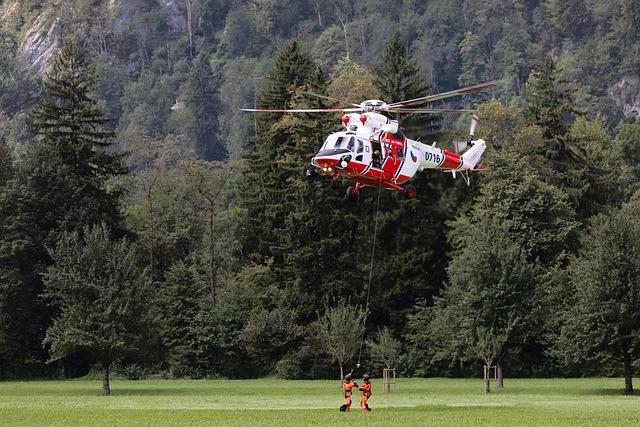
A crew was evacuated from a Russian naval vessel following a fierce battle to extinguish a fire after the ship was struck by drone attacks, according to reports by Al Jazeera. The incident underscores the growing use of unmanned aerial vehicles in modern maritime conflicts and highlights escalating tensions in the region. Details remain emerging as efforts to contain the blaze and assess the extent of the damage continue.
Crew Evacuated Following Drone Strike on Russian Naval Vessel
In the wake of a targeted drone attack, the crew aboard the Russian naval vessel faced an urgent evacuation as fierce flames erupted across the ship’s deck. Emergency teams immediately launched coordinated firefighting efforts, battling to contain the blaze that threatened critical areas of the vessel. Communications indicated that while the fire was largely suppressed, smoke continued to hamper operations, delaying the return of personnel to the ship. Authorities confirmed that no immediate casualties have been reported, though the situation remains fluid as investigations into the source and impact of the attack proceed.
Key details emerging from the incident include:
- Rapid deployment of firefighting units from nearby vessels and shore facilities
- Temporary suspension of naval operations in the affected zone
- Assessment underway to evaluate structural damage and operational capability post-incident
| Aspect | Status | Next Steps |
|---|---|---|
| Fire Containment | Ongoing, largely controlled | Complete extinguishing and evaluation |
| Crew Evacuation | Completed | Medical checks and debriefing |
| Damage Assessment | Preliminary | Structural integrity analysis |
Challenges Faced by Firefighters in Containing Blaze at Sea
Firefighters battling the blaze on the Russian vessel encountered a multitude of formidable obstacles that significantly impeded containment efforts. The unpredictable movement of the ship, swaying with the sea’s turbulence, made it difficult to establish stable footing and secure equipment. Moreover, the presence of onboard fuel and hazardous cargo intensified the risk of explosions, forcing crews to prioritize evacuation protocols over direct firefighting in certain zones. Limited visibility due to thick smoke and adverse weather conditions further hampered coordination between firefighting teams deployed both on the ship and in accompanying vessels.
Communication breakdowns added to the complexity, as the remote location and electromagnetic interference disrupted radio links, preventing seamless real-time updates. The logistics of deploying fire suppression systems-normally designed for land-based incidents-were strained by the maritime environment’s unique demands. Key challenges included:
- Inadequate water pressure: Fire suppression pumps struggled to maintain steady flows amidst the rough seas.
- Limited access points: Constricted and unstable decks restricted movement and firefighting reach.
- Extensive heat exposure: Crew members had to rotate frequently to avoid heat exhaustion.
| Challenge | Impact | Mitigation Strategy |
|---|---|---|
| Rough Sea Conditions | Equipment instability, delayed response | Use of stabilizing anchors, timed operations |
| Flammable Cargo | High risk of explosions | Safe perimeter establishment, remote firefighting gear |
| Communication Loss | Coordination delays | Satellite phones, backup relays |
Recommendations for Enhancing Fire Response on Military Ships
Improving fire response capabilities on military vessels requires a comprehensive approach. Regularly updated training protocols tailored to high-pressure scenarios-such as drone attacks-can enhance crew readiness. Emphasizing cross-department drills ensures seamless coordination between damage control teams, engineering staff, and command units. Additionally, integrating advanced sensor technologies that detect heat and smoke quickly can provide crucial early warnings, allowing faster activation of fire suppression systems.
Investment in modern suppression tools and protective gear is essential to safeguard crew members during firefighting operations. The following table outlines key areas for improvement and their potential impacts on operational resilience:
| Improvement Area | Expected Benefit |
|---|---|
| Enhanced Fire Detection Systems | Faster identification of hotspots |
| Automated Suppression Mechanisms | Reduced manual intervention risks |
| Protective Firefighting Gear | Increased crew safety and mobility |
| Integrated Communication Networks | Improved coordination during crises |
- Frequent simulation exercises focused on multi-threat environments
- Deployment of modular firefighting units that can be repositioned swiftly
- Comprehensive damage control manuals easily accessible via onboard digital systems
In Retrospect
The evacuation of the crew marks a critical moment in the ongoing conflict, highlighting the escalating use of drone technology in naval warfare. As efforts continue to contain the blaze aboard the Russian ship, officials remain tight-lipped about the full extent of the damage and potential implications for regional security. Further updates are expected as investigations and firefighting operations proceed.