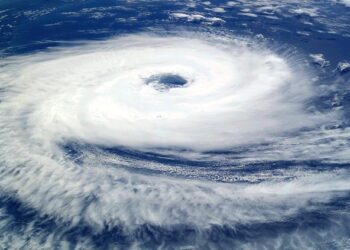
Delegates and climate advocates expressed widespread disappointment following the conclusion of the COP31 climate talks, which ended without a binding agreement. The annual United Nations conference, held amid mounting global environmental concerns, failed to reach consensus on key issues necessary to accelerate the fight against climate change. As the world watches closely, stakeholders warn that the impasse threatens to undermine urgent efforts to limit global warming and protect vulnerable communities.
Delegates Express Frustration Over Lack of Concrete Outcomes at COP31
As COP31 concluded without a binding agreement, delegates voiced strong disappointment over the perceived stagnation of progress amidst escalating climate crises. Many representatives criticized the vague language of the final declarations, highlighting the absence of firm commitments on emission reductions and financial support for vulnerable nations. Key issues such as loss and damage funding and long-term decarbonization targets were deferred for future discussions, leaving a palpable sense of frustration in the negotiating halls.
Common criticisms expressed by delegates include:
- Lack of enforceable mechanisms to hold countries accountable.
- Failure to increase financial contributions to climate adaptation efforts.
- Insufficient emphasis on urgent measures to limit global warming to 1.5°C.
| Key Issues Left Unresolved | Expected Impact |
|---|---|
| Loss and Damage Fund | Continued vulnerability of developing nations |
| Emissions Reduction Targets | Potential failure to meet Paris Agreement goals |
| Climate Finance | Insufficient support for adaptation and mitigation |
Key Challenges in Climate Negotiations Underscore Need for Stronger Global Commitment
The recent failure to secure an agreement at COP31 has brought to light deep-rooted disagreements among nations regarding financial commitments, emission reduction targets, and equitable distribution of responsibilities. Developed countries expressed concern over the lack of transparent commitments from emerging economies, while developing nations emphasized the urgent need for increased climate finance and technology transfer to address the disproportionate impacts they face. This deadlock highlights a fundamental challenge: reconciling economic growth with environmental sustainability in a manner that is acceptable to all stakeholders.
Key obstacles that consistently stalled progress included:
- Funding Gaps: Insufficient pledges for climate adaptation and loss compensation.
- Accountability Measures: Disputes over monitoring mechanisms to track emissions reductions.
- Equity Concerns: Divergent views on differentiated responsibilities between developed and developing countries.
- Transition Pathways: Conflicting approaches to phasing out fossil fuels without harming vulnerable economies.
| Challenge | Impact on Negotiations | Future Considerations |
|---|---|---|
| Financial Contributions | Stalled agreement on climate funds | Increase transparency and binding commitments |
| Emission Verification | Distrust between nations | Adopt robust, standardized reporting |
| Equity | Divergent national priorities | Formulate flexible, region-specific targets |
Experts Call for Enhanced Transparency and Accelerated Action Beyond COP31 Talks
As COP31 concluded without a binding agreement, leading climate experts and activists voiced urgent calls for greater transparency in international climate negotiations. They emphasized the need for open access to data and clear timelines to hold governments accountable in meeting their emissions targets. Environmental advocates warn that opaque negotiation processes only delay critical climate action, hindering the global community’s ability to effectively respond to accelerating environmental crises.
In response to the perceived lack of progress, experts are urging nations to not only increase transparency but also expedite implementation of nationally determined contributions (NDCs). Key recommendations include:
- Real-time monitoring of emission reductions
- Mandatory public reporting on climate finance disbursements
- Streamlined mechanisms for stakeholder engagement
- Strengthened support for vulnerable countries
| Area | Current Status | Recommended Action |
|---|---|---|
| Transparency | Limited public access | Open data platforms |
| Commitment Monitoring | Irregular reporting | Standardized, frequent updates |
| Climate Finance | Delayed disbursements | Predictable funding schedules |
| Stakeholder Inclusion | Minimal input | Inclusive consultation frameworks |
To Wrap It Up
As the COP31 climate talks conclude without a binding agreement, delegates and observers alike have expressed disappointment over the missed opportunity to advance global climate action. With urgent environmental challenges looming, the stalemate at the conference underscores the difficulties in achieving consensus among diverse stakeholders. The eyes of the world now turn to upcoming summits and national efforts, with renewed calls for stronger commitments and accelerated measures to address the climate crisis.