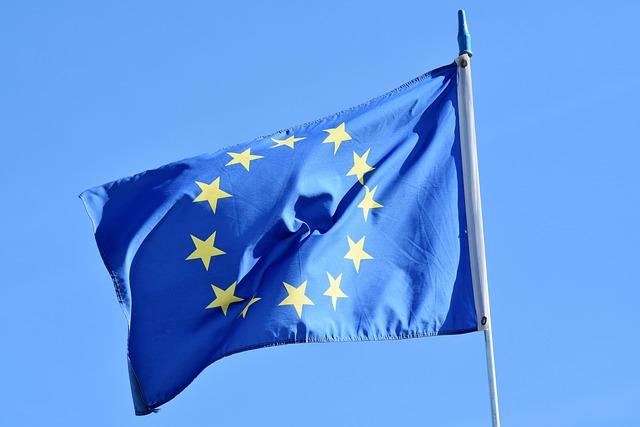
The European Union has announced plans to extend its Carbon Border Adjustment Mechanism (CBAM) to include Norway and Iceland starting in 2027, according to a report by Shanghai Metals Market. This move marks a significant step in the EU’s efforts to curb carbon emissions by imposing carbon costs on imports, aiming to prevent carbon leakage and promote greener production practices beyond its borders. The inclusion of these neighboring non-EU countries underscores the expanding reach of the EU’s climate policies as it intensifies its commitment to achieving climate neutrality.
EU Plans to Expand Carbon Border Adjustment Mechanism to Norway and Iceland
The European Union is set to broaden the scope of its Carbon Border Adjustment Mechanism (CBAM) by including Norway and Iceland as part of its climate policy alignment efforts starting in 2027. This strategic move intends to level the playing field by ensuring that imported goods from these countries are subject to equivalent carbon pricing as those produced within the EU. By doing so, the EU aims to prevent “carbon leakage”-where businesses relocate carbon-intensive production to jurisdictions with laxer environmental policies-thereby reinforcing its commitment to climate neutrality by 2050.
The expansion will impact key sectors such as metals, cement, and fertilizers, which are major contributors to industrial greenhouse gas emissions. Importers from Norway and Iceland will be required to report embedded emissions and purchase CBAM certificates corresponding to the carbon content of their products. Key points of the upcoming integration include:
- Implementation Date: January 1, 2027
- Targeted Sectors: Steel, aluminum, cement, fertilizers, and electricity
- Emission Reporting: Mandatory disclosures for importers on carbon intensity
| Country | Primary Export Sector | CBAM Compliance Requirement |
|---|---|---|
| Norway | Metals (especially aluminum) | Emission certificate purchase & reporting |
| Iceland | Fertilizers & energy-intensive products | Detailed carbon content disclosure |
Implications for Nordic Exporters and Regional Trade Dynamics
Nordic exporters, particularly in Norway and Iceland, will face substantial shifts as the EU’s Carbon Border Adjustment Mechanism (CBAM) extends to their markets in 2027. These countries, heavily reliant on metal exports like aluminum and ferroalloys, need to recalibrate their production processes to align with stricter carbon reporting and pricing requirements. The increased cost pressures are likely to incentivize investments in cleaner technologies but could also challenge smaller producers struggling to absorb added compliance costs. Exporters will need to:
- Upgrade carbon accounting systems to ensure transparency and accuracy
- Explore renewable energy integration to reduce embedded emissions
- Engage proactively with EU customs frameworks to mitigate administrative delays
- Monitor potential ripple effects on pricing competitiveness within regional supply chains
Regionally, the introduction of CBAM to these neighboring non-EU countries recalibrates trade dynamics in the Nordic and Baltic corridors. Competitive gaps may narrow as exporters in both EU member states and these countries face unified carbon cost mechanisms, potentially stimulating cross-border collaboration on green innovations. However, trade volumes could fluctuate as importers reassess sourcing options considering carbon intensity premiums embedded in pricing structures. The table below outlines the potential impacts on key sectors in Norway and Iceland:
| Sector | Potential Impact | Key Trade Dynamics | ||||||||||||||
|---|---|---|---|---|---|---|---|---|---|---|---|---|---|---|---|---|
| Aluminum Production | Higher operational costs, carbon footprint scrutiny | Shift toward low-carbon sourcing preferred by EU buyers | ||||||||||||||
| Fisheries Export | Strategies for Businesses to Navigate CBAM Compliance and Mitigate Costs
Businesses facing the expansion of the Carbon Border Adjustment Mechanism (CBAM) to Norway and Iceland should prioritize early assessment of carbon footprints associated with their imported goods. Establishing robust data tracking systems now will enable smoother reporting and verification processes once compliance becomes mandatory. Additionally, companies can explore diversification of supply chains to include lower-carbon suppliers, thereby minimizing the additional costs imposed by CBAM levies. Proactive engagement with industry consortiums or governmental advisory bodies can further equip businesses with timely intelligence and strategic guidance to navigate these changes effectively. Financial planning will also be crucial as organizations anticipate potential cost impacts. Implementing energy-efficient production methods and investing in carbon offset initiatives can serve as hedges against escalating carbon costs. Below is a simplified overview of key strategic actions for CBAM readiness:
The Way ForwardAs the European Union moves to extend the Carbon Border Adjustment Mechanism (CBAM) to include Norway and Iceland starting in 2027, the decision marks a significant step in the bloc’s effort to curtail carbon leakage and promote greener trade practices. Stakeholders within these countries, as well as industries across Europe, will be closely monitoring the implementation process to assess its impact on carbon emissions and economic competitiveness. This development underscores the EU’s expanding commitment to climate action and sets a precedent for neighboring economies to align with its stringent environmental standards. ADVERTISEMENT  Related Posts |