Introduction
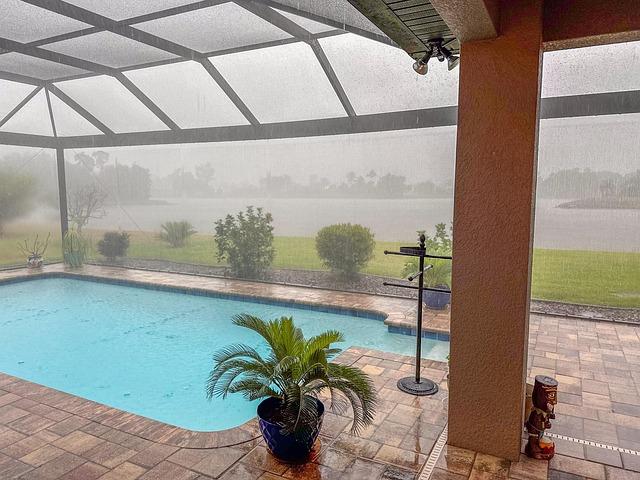
Severe weather wreaked havoc across New Jersey as heavy rain and strong winds inundated streets and disrupted daily life. With winds gusting up to 50 mph and rain pouring down in relentless sheets, local authorities are grappling with significant flooding and transportation challenges. NBC News reports that emergency services have been mobilized to respond to the urgent needs of impacted communities. As residents brace for continued adverse conditions, officials are urging caution and preparedness in the face of this formidable storm system.
Heavy Rain and Wind Disrupt Daily Life in New Jersey
The torrential downpours and gusty winds have wreaked havoc across New Jersey, transforming calm streets into raging rivers, and disrupting daily routines for thousands. Residents woke up to scenes of flooded neighborhoods, with water levels rising rapidly, leading to road closures and significant travel delays. Emergency services have been inundated with calls as they work around the clock to assist those stranded by the rising waters. The following impacts have been felt across the state:
- Power Outages: Thousands are without electricity as fallen trees take down power lines.
- Transportation Chaos: Major roadways are impassable, causing major delays for commuters and public transport.
- Local Businesses Affected: Flooding has forced many shops and restaurants to close their doors temporarily, impacting local economies.
Authorities are urging residents to stay indoors and avoid unnecessary travel as safety remains a priority. As meteorologists predict continued rainfall, there is concern about the potential for landslides and flash flooding, particularly in regions already saturated from previous storms. A state of emergency has been declared, allowing for higher levels of preparedness and a coordinated response. Below is a summary of emergency measures implemented:
| Measure | Description |
|---|---|
| Road Closures | Key highways and local roads closed due to flooding. |
| Shelters Opened | Community centers serving as temporary shelters for displaced families. |
| Emergency Services | Increased staffing for police and fire departments for rapid response. |
Impact on Local Infrastructure and Emergency Response
As heavy rains and strong winds pounded New Jersey, local infrastructure faced unprecedented challenges. Flooding overwhelmed drainage systems, leading to significant water accumulation on roadways and disrupting traffic flow. Residents reported instances of:
- Road closures due to impassable conditions
- Submerged vehicles in low-lying areas
- Power outages, affecting thousands
The impact on emergency response was immediate and severe. Emergency services found themselves stretched thin, struggling to reach those in need while navigating flooded streets. Additionally, the following statistics highlight the strain placed on local resources:
| Incident Type | Response Time (hours) | Number of Calls |
|---|---|---|
| Rescue Operations | 3-5 | 150+ |
| Medical Emergencies | 2-4 | 200+ |
| Public Assistances | 2-6 | 100+ |
These conditions emphasize the critical need for improved infrastructure resilience and emergency preparedness, highlighting the ongoing challenges that municipalities must address in the aftermath of such severe weather events.
Safety Guidelines for Residents Amidst Severe Weather Conditions
As New Jersey faces severe weather conditions characterized by torrential rain and strong winds, it is critical for residents to take precautionary measures to ensure their safety. Prepare your home and family by following these essential guidelines:
- Stay Informed: Keep up with weather updates by listening to local news and checking reliable sources online.
- Secure Your Property: Close all windows and doors, and bring in any outdoor furniture or decorations that could become projectiles.
- Emergency Kit: Assemble a kit that includes flashlights, batteries, first-aid supplies, water, and non-perishable food.
- Evacuation Routes: Familiarize yourself with local evacuation routes and emergency shelters in case of severe flooding.
During severe weather, be mindful of potential hazards and prioritize safety. Here are some actions to consider:
| Action | Description |
|---|---|
| Avoid Flooded Areas | Do not attempt to walk or drive through flooded streets, as currents can be deceptive. |
| Stay Indoors | Limit travel and avoid going outside unless absolutely necessary. |
| Monitor Power Outages | Check your power supply and have backup sources, like batteries or generators, ready. |
Key Takeaways
As New Jersey grapples with the aftermath of the severe weather that has inundated its streets, local authorities are urging residents to exercise caution as recovery efforts begin. With flooding impacting numerous communities and ongoing assessments of the damage, state officials are prioritizing public safety and resource allocation. In the coming days, residents can expect continued updates from emergency services and municipal leaders as they work to restore normalcy. As we move forward, the resilience of the Garden State will undoubtedly be tested once again, reminding us of the vital importance of preparedness in the face of nature’s unpredictable forces. Stay tuned to NBC News for the latest developments on this unfolding story.