Introduction
In recent months, Georgia has witnessed a surge of protests that have captivated both national and international attention. Triggered by a controversial draft law on foreign influence, these demonstrations have evolved into a broader movement against perceived threats to democratic freedoms and civil liberties. Citizens from various walks of life have taken to the streets, voicing their dissent not only against government policies but also against the backdrop of a tumultuous political landscape shaped by past tensions and geopolitical pressures. as the situation unfolds, understanding the underlying factors driving this crisis becomes crucial for grasping the complex dynamics at play in the South Caucasus nation. This article delves into the roots of the protests, the motivations of the demonstrators, and the potential implications for georgia’s future.
Understanding the Catalyst Behind Georgias Protests
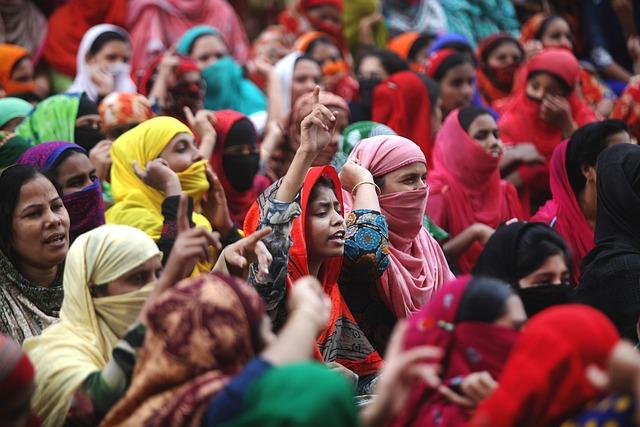
the current wave of protests in Georgia is rooted in a complex interplay of political, economic, and social factors that have mobilized thousands of citizens to take to the streets. At the forefront is a growing discontent with the government, perceived as increasingly authoritarian and out of touch with the public’s needs. Many georgians feel disillusioned by widespread corruption and a lack of clarity in decision-making. Additionally, economic challenges, exacerbated by global events and local policies, have left many struggling to make ends meet, which adds fuel to the fire of frustration.
Among the key issues sparking outrage are:
- Media Freedoms: Concerns over the diminishing independence of news outlets have raised alarms, with many fearing a crackdown on free expression.
- Socioeconomic Inequality: The gap between the wealthy and the poor continues to widen, limiting opportunities for upward mobility.
- Foreign Policy Decisions: The direction of Georgia’s foreign relations, notably with the European Union and Russia, remains a contentious topic, leading to differing opinions among the populace.
These factors contribute to a politically charged atmosphere where citizens are demanding accountability and reform. The protests reflect a broader struggle for democratic principles and human rights, echoing the sentiments of many in the region who seek to define their own path amidst external pressures and internal challenges.
Examining public Sentiment and Political Frustration

The recent wave of protests in Georgia has exposed deep-seated public anger and disillusionment with the government. A meaningful factor driving this frustration is the perception of corruption and inefficiency within political institutions. Many citizens feel that leaders prioritize their own interests over the needs of the populace, leading to a palpable sense of betrayal. This sentiment is exacerbated by various socio-economic challenges, including rising costs of living and stagnant wages, which have left many families struggling to make ends meet.
Additionally, polls indicating a significant lack of trust in government officials have contributed to the unrest. In a recent survey, a significant percentage of the population expressed dissatisfaction with the current administration, revealing concerns about lack of transparency and accountability. The frustration resonates particularly among the youth, who are increasingly turning to social media to voice their grievances and organize protests. This digital mobilization reflects a broader, growing awareness of political issues, fostering a more politically engaged citizenry that is unwilling to tolerate the status quo.
The Role of Social Media in Mobilizing Demonstrations

The emergence of social media has profoundly altered the landscape of public demonstrations, serving as both a catalyst and organizing tool for activists. Platforms like Twitter, Facebook, and Instagram allow users to share real-time updates, mobilize supporters, and spread awareness of ongoing crises. Notably, during the protests in Georgia, posts and hashtags quickly circulated, effectively transforming local unrest into a globally recognized issue.This rapid dissemination of information not only galvanizes participants but also amplifies the voices of those advocating for change, showcasing the power of digital connectivity.
Moreover, social media facilitates the organization of protests through strategic event planning and community building. Activists can create event pages, share logistical details, and coordinate through private groups or chats, fostering a sense of solidarity among diverse participants. Key elements that contribute to its impact include:
- Real-Time Communication: Instant updates help maintain momentum and inform supporters of any developments.
- visual Storytelling: Photos and videos capture the intensity of the moment, drawing emotional responses from a wider audience.
- Global Reach: Issues can gain international attention quickly, prompting global solidarity and pressure governments for change.
In the wake of events in Georgia, social media has not only helped to rally local citizens but also engaged international advocacy groups, creating a network of support that transcends geographical boundaries. The ability to create compelling narratives and share these stories widely has made social media an indispensable tool in contemporary protest movements.
Evaluating Government Responses and Their Implications
The recent protests in Georgia have prompted a critical evaluation of the government’s responses, revealing both strengths and weaknesses in its handling of public dissent.law enforcement tactics have come under scrutiny, with significant focus on the use of force against demonstrators, which has often escalated tensions rather than calming the situation. Additionally, the government’s initial communication strategy lacked transparency, leading many citizens to feel excluded from the political process. Key points of concern include:
- Use of Force: Instances of confrontations between police and protesters, raising questions about human rights practices.
- Public Communication: Delayed and ambiguous statements that failed to address the root causes of discontent.
- Political Dialog: limited efforts to engage with opposition voices,risking further alienation of the populace.
moreover, the government’s overall strategy in addressing the crisis has broader implications for georgia’s political landscape. The perception of a heavy-handed response may hinder the prospects for democratic reform and erode public trust in institutions. To better understand the situation, it is crucial to assess the actions taken by various stakeholders. Below is a summary table of key government responses:
| Response Action | description | Public Reaction |
|---|---|---|
| Curfew Imposition | Implemented curfews in major cities to control gatherings | Criticized as a violation of civil liberties |
| Dialogue Initiatives | Announced plans for talks with opposition leaders | Mixed reactions; seen as a step forward or too late |
| Increased Police Presence | Deployed additional security forces to hotspots | Heightened fears of escalation and violence |
Lessons from Previous Movements in Georgia’s History

Throughout its history, Georgia has experienced several significant movements that have shaped its current socio-political landscape. These past events offer critical insights into the dynamics of public dissent and the government’s response to civil unrest. key lessons can be drawn from previous uprisings, including:
- The importance of unity among diverse groups: Historical movements, such as the rose Revolution in 2003, highlighted how coalitions formed across various sectors of society can amplify the message and strengthen resolve against oppression.
- The role of digital communication: Activists in Georgia have increasingly utilized social media to mobilize supporters, demonstrating its effectiveness in organizing protests and disseminating information rapidly.
- The power of international solidarity: Support from global organizations and foreign governments can considerably influence domestic movements, as seen during the Saakashvili administration when international advocacy brought attention to internal issues.
Moreover, understanding the government’s reaction to such protests in the past can provide valuable context for current events. Historical patterns indicate that regimes often oscillate between repression and negotiation when faced with unrest. This oscillation can be encapsulated in a simplified analysis:
| Government response | Historical Example | Outcome |
|---|---|---|
| Repression | April 9, 1989 protests | Increased public outrage and international condemnation |
| negotiation | Rose Revolution | Transition of power and democratic reforms |
Recommendations for Constructive Dialogue and Conflict Resolution

Engaging in constructive dialogue is essential for addressing the underlying issues that fuel tensions in Georgia. Stakeholders must prioritize obvious communication by fostering spaces where diverse perspectives can be shared openly. Active listening should be encouraged, allowing participants to understand each other’s viewpoints. Additionally, incorporating the following strategies can promote a collaborative habitat:
- Establish common ground: Identify shared goals that can unite different factions.
- Focus on solutions: Shift discussions from blame to brainstorming actionable steps.
- Invite neutral mediators: Consider involving autonomous parties to facilitate discussions and ensure fairness.
Conflict resolution requires the commitment of all parties involved to move beyond entrenched positions. Training programs on conflict management can be implemented to equip individuals with the necessary skills to navigate tough discussions effectively. This can include techniques such as negotiation, empathy-building, and problem-solving workshops. A collaborative approach can also be reinforced through the establishment of community forums where citizens can air grievances and suggest solutions in a safe space. To highlight this collaborative framework, a table outlining different stakeholders and their proposed roles could be useful:
| Stakeholder | Proposed Role |
|---|---|
| Government Officials | Facilitators of policy discussions |
| Civil Society Groups | Representatives of public opinion |
| Media | Channels for information dissemination |
| International Observers | Neutral parties to ensure transparency |
To Wrap It Up
As the situation in Georgia continues to evolve, the protests serve as a powerful reminder of the nation’s complex struggles and aspirations. Citizens are not only voicing their discontent with government policies but are also echoing a broader desire for democratic reforms, transparency, and European integration. The interplay of political, economic, and social factors fueling this unrest illustrates the multifaceted nature of the crisis.
Understanding the motivations behind these demonstrations is essential for grasping the current climate in Georgia. While the immediate triggers may fade with time, the underlying issues are likely to persist, possibly shaping the nation’s political landscape for years to come. as the government navigates these turbulent waters, the resilience of the Georgian people and their insistence on accountability and progress will remain at the forefront of this ongoing saga.
In a world where civic engagement continues to define the trajectory of several nations, the Georgia protests stand as a crucial chapter in the fight for democracy. Going forward, both local and international observers will be watching closely, as the outcomes of this unrest could have significant implications for Georgia’s future, its regional role, and its aspirations on the global stage.