Unearthing History: A Glimpse into the Roman Aqueduct at Rusovce Castle
In a remarkable archaeological discovery, a section of a Roman aqueduct dating back to the 2nd century AD has been unearthed beneath Rusovce Castle in slovakia. Measuring an impressive 38 meters in length, this ancient structure not only exemplifies the engineering prowess of Roman civilization but also sheds light on the sophisticated water management systems that supported their settlements. As researchers sift through the findings, the implications of this discovery extend far beyond the immediate historical context, offering new insights into the daily lives of people in the region during Roman times. This article delves into the significance of the aqueduct’s discovery, examining its construction, historical context, and the broader narrative of Roman influence in Central Europe.
Discovery of the Ancient Roman Aqueduct: An Archaeological Milestone Beneath Rusovce Castle
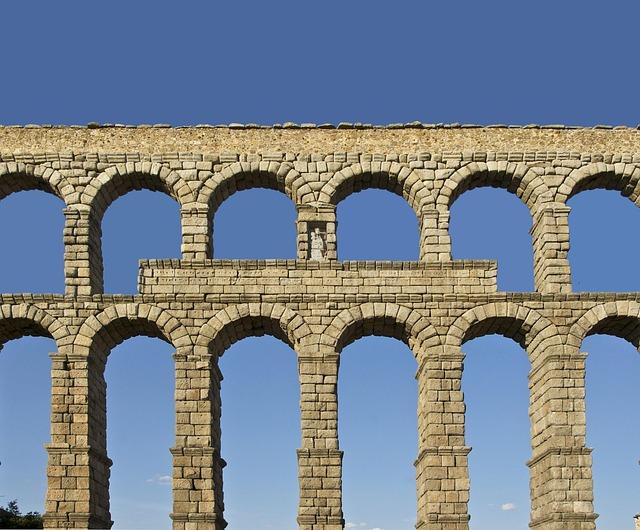
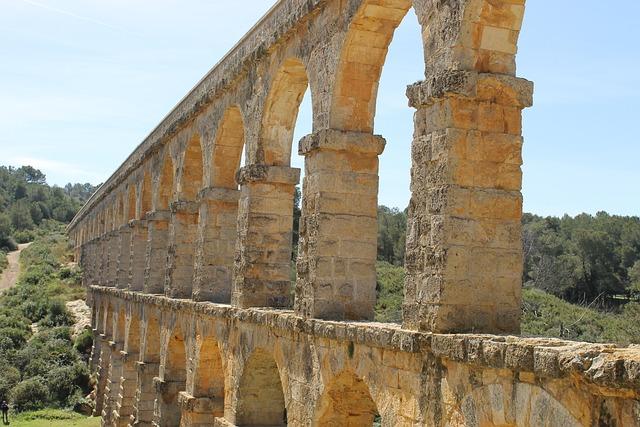
Excitement ripples through the archaeological community following the recent unearthing of a remarkable roman aqueduct section beneath the storied Rusovce Castle. This 38-meter-long structure, dating back to the 2nd century AD, exemplifies the advanced engineering skills of the ancient Romans and their impressive ability to manipulate water resources. The aqueduct, constructed with meticulously fitted stones, not only highlights the Romans’ architectural prowess but also reveals vital aspects of their daily lives and urban planning techniques. Such a notable find has sparked discussions about the aqueduct’s purpose, suggesting it may have been pivotal in supplying water to nearby settlements or agricultural activities.
As the excavation progresses, experts are taking great care to document the structure’s layout and condition, eager to piece together its historical narrative. A series of analyses will follow, aiming to determine the aqueduct’s original water source and the technologies employed in its construction. The discovery has also ignited interest among local historians and educators, leading to plans for guided tours and educational programs designed to immerse visitors in the rich tapestry of Roman history in Slovakia.The implications of this find extend beyond mere bricks and mortar; it invites us to reconsider the footprint of Roman civilization across Central europe.
Construction Techniques of the 2nd Century AD: insights from the Roman Aqueduct
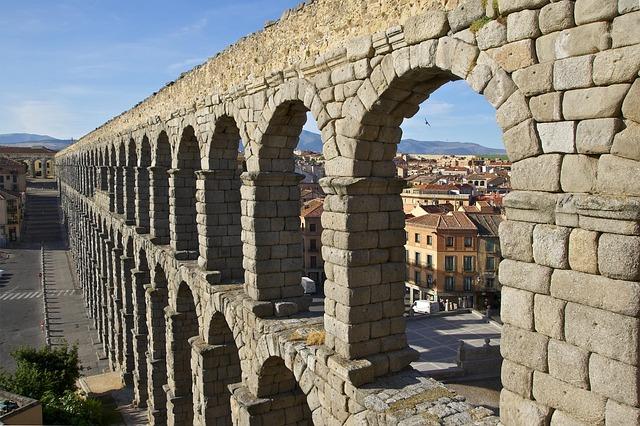
The discovery of the Roman aqueduct beneath Rusovce Castle offers invaluable insights into the construction techniques employed during the 2nd century AD. This remarkable structure, measuring 38 meters in length, exemplifies the engineering prowess of Roman builders. The aqueduct was constructed using locally sourced stones, meticulously shaped to fit securely into place without the use of mortar, a technique known as ashlar masonry. This approach not only provided durability but also allowed for the construction of intricate arches and supports, which were vital for spanning distances and navigating the landscape’s topography.
One notable aspect of the aqueduct’s design is its gravity-fed water delivery system, which relied on a consistent gradient to ensure the efficient flow of water over long distances. the builders ingeniously utilized slopes and channels to guide water from distant sources into urban areas. Key elements of their construction included:
- Archways: Utilizing arches to distribute weight evenly.
- Waterproofing: Coating channels with a mixture to prevent leakage.
- Inspection Wells: Creating access points for maintenance.
To quantify some of the remarkable features of this aqueduct,the following table highlights its key attributes:
| Attribute | Details |
|---|---|
| Length | 38 meters |
| Gradient | Consistent slope |
| Materials Used | Local stone and mortar mix |
| Construction Technique | Ashlar masonry & arches |
Cultural Significance of Aqueducts in Roman Society and Their impact on Slovakia
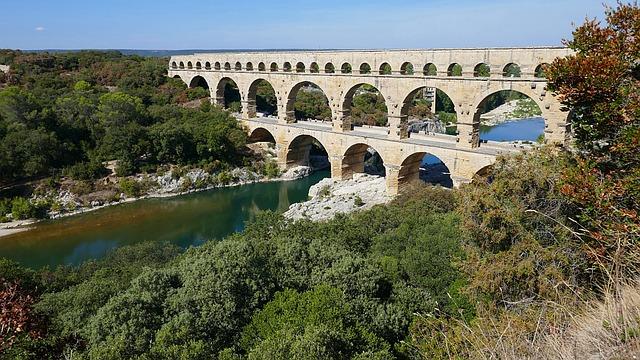
the newly discovered Roman aqueduct section not only sheds light on the engineering prowess of the Roman Empire but also highlights its profound cultural significance in shaping societal structures. Aqueducts were instrumental in the growth of urban centers by providing a reliable water supply, which was critical for public health, sanitation, and agriculture. In Roman society, access to water was frequently enough seen as a status symbol, and elite homes often boasted intricate plumbing systems. This access contributed to a thriving public life,encouraging the establishment of public baths,fountains,and thriving marketplaces,fostering community interaction and enhancing the quality of life for residents.
In the context of Slovakia, the discovery of this aqueduct serves as a vital reminder of the region’s historical ties to the broader narrative of Roman civilization. It illustrates how the influence of Roman engineering extended beyond central Europe, impacting the local communities long after the empire’s fall.By facilitating water access and supporting infrastructure development,Roman aqueducts also laid the groundwork for medieval and modern settlements in Slovakia. The significance of such discoveries can be summarized in key points:
- Urbanization: Promoted the growth of towns and cities.
- Public Health: Improved sanitation and reduced disease.
- Social Structure: Indicated social hierarchy and wealth.
- cultural Exchange: Encouraged the merging of Roman and local customs.
Preservation Challenges and opportunities for the Rusovce Aqueduct Discovery
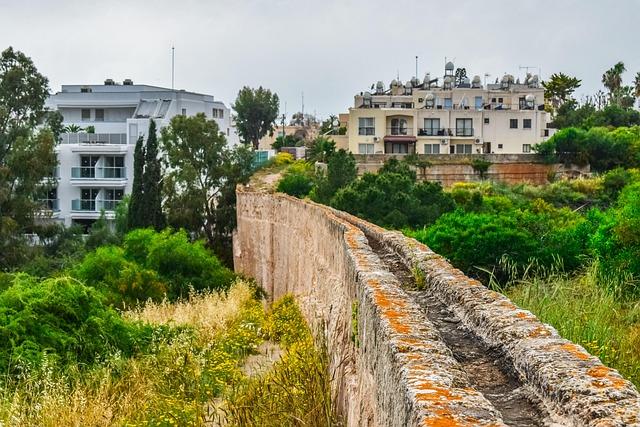
The recent discovery of a Roman aqueduct beneath Rusovce castle presents both significant challenges and intriguing opportunities for preservation efforts. Over time, various environmental factors have threatened the integrity of this ancient structure, including soil erosion, groundwater fluctuations, and urban development. Preservationists must thus address the following challenges to ensure that this historical artifact remains protected for future generations:
- Environmental Impact: Assessing and mitigating the effects of local climate and weather patterns.
- Urban Encroachment: Navigating the complexities of urban planning in proximity to the site.
- Visitor Management: Developing strategies to manage tourism while minimizing damage to the site.
On the other hand, the discovery opens doors to several promising opportunities that can enhance both preservation efforts and community engagement. With the aqueduct’s historical significance, local authorities and heritage organizations can collaborate to create educational programs that highlight the Roman engineering prowess. Key opportunities include:
- Research Collaboration: Engaging universities and experts to conduct interdisciplinary studies.
- Cultural Heritage Tourism: Developing guided tours that illuminate history and archaeology.
- Community Involvement: Encouraging local residents to participate in preservation activities.
| Challenge/Opportunity | Description |
|---|---|
| Environmental Impact | Managing ecological effects on the aqueduct. |
| Urban Encroachment | Balancing development with preservation needs. |
| Research Collaboration | Fostering partnerships for archaeological studies. |
| cultural Heritage Tourism | Promoting informed local tourism initiatives. |
recommendations for Future Archaeological Studies and Public Engagement
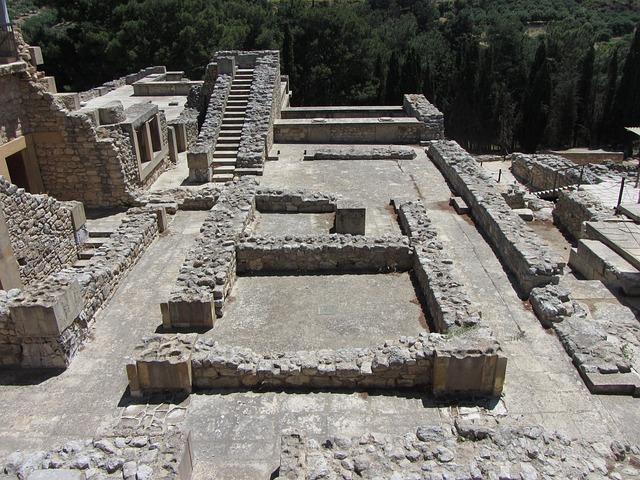
The discovery of the Roman aqueduct section beneath Rusovce Castle not only enriches our understanding of ancient engineering but also highlights the need for continued research and community involvement in archaeological endeavors. Future studies should prioritize the application of innovative technologies, such as ground-penetrating radar and 3D modeling, to unlock additional insights into the workings and scope of this aqueduct system. Engaging interdisciplinary teams,including historians,engineers,and conservationists,can facilitate a comprehensive approach to understanding and preserving these vital pieces of history. Potential research areas include:
- Comparative analysis of aqueduct construction techniques across the Roman Empire.
- Site surveys in surrounding regions to identify other potential Roman infrastructure.
- Water quality studies to assess the preservation of materials used in the aqueduct.
- Community archaeology programs that involve local residents in excavation processes.
Public engagement is equally crucial for fostering appreciation and understanding of our archaeological heritage. Initiatives should be developed to create interactive exhibits or virtual reality experiences that allow visitors to explore the aqueduct’s structure and historical significance. Collaborating with local schools and universities can enhance community involvement and support educational programs that emphasize the importance of archaeology. Key strategies for public engagement might include:
| Strategy | Description |
|---|---|
| Open-Door Excavations | Allow the public to witness archaeological digs in real-time. |
| Workshops and Lectures | Host events discussing the history and technology of aqueducts. |
| Digital Storytelling | Create online platforms to share stories and findings with a global audience. |
| Volunteer Programs | Encourage participation in conservation efforts through volunteer days. |
Tourism Potential: Promoting the Roman Aqueduct as a Historical Landmark in Slovakia
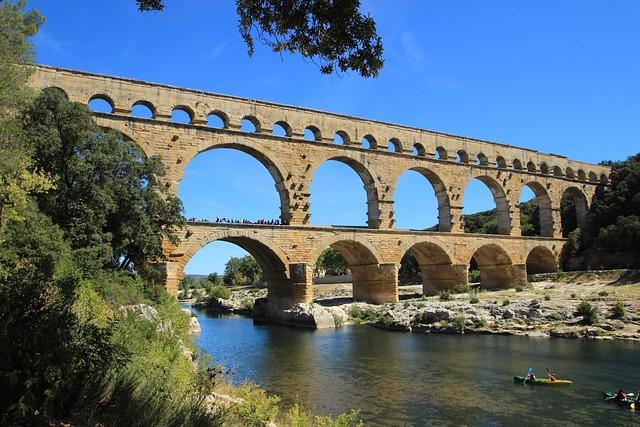
Slovakia’s rich historical tapestry is woven with the threads of various cultures, and the recent discovery of the Roman aqueduct beneath Rusovce Castle serves as a testament to the region’s illustrious past. This remarkable 38-meter-long structure, dated back to the 2nd century AD, not only highlights the engineering prowess of the Romans but also enhances the scenic beauty of Slovakia. Its restoration and promotion as a tourist attraction could usher in a renaissance for heritage tourism, drawing visitors who are keen to explore the region’s ancient connections. A targeted campaign could emphasize the aqueduct’s significance by offering:
- Guided Tours: Learned guides can detail the history and architectural significance of the aqueduct, making it an enriching experiance.
- interactive Exhibits: Incorporating augmented reality or digital displays to immerse visitors in the Roman era.
- Cultural Events: Hosting festivals or reenactments that celebrate Roman history, attracting families and enthusiasts alike.
Moreover, marketing efforts should position the aqueduct within the broader context of Slovakia’s historical and cultural landscape. Collaboration with local tourism boards and heritage organizations can facilitate comprehensive tour packages that include visits to nearby historical sites, thus enhancing the visitor experience.Additionally,the establishment of a dedicated visitor center near Rusovce Castle could serve as a hub for data,further increasing foot traffic to the site. A comparison of current tourist attractions can definitely help strategize promotional efforts to maximize the aqueduct’s visibility:
| Attraction | Location | Tourist Count (Annual) |
|---|---|---|
| Roman Aqueduct | Rusovce | Expected: 50,000+ |
| Bratislava Castle | Bratislava | 450,000+ |
| Devín Castle | Devin | 200,000+ |
wrapping Up
the recent discovery of a 38-meter-long section of a Roman aqueduct beneath Rusovce Castle in Slovakia has illuminated a crucial chapter of ancient engineering and its lasting impact on the region’s infrastructure. Dating back to the 2nd century AD, this remarkable find not only enhances our understanding of Roman water supply systems but also enriches the historical narrative of Slovakia’s interaction with Roman civilization. As archaeologists continue to explore this site, the artifacts and insights uncovered will undoubtedly shed light on the everyday lives of those who thrived in this area over two millennia ago. The significance of this discovery reaffirms the importance of ongoing archaeological efforts in uncovering and preserving our shared heritage, reminding us of the remarkable feats of ingenuity achieved by our ancestors. As we reflect on this exceptional find, it becomes clear that every unturned stone has the potential to deepen our connection to the past and inspire future generations to appreciate the complexities of history. Stay tuned to LBV magazine for further updates on this captivating excavation and other archaeological endeavors shaping our understanding of the ancient world.