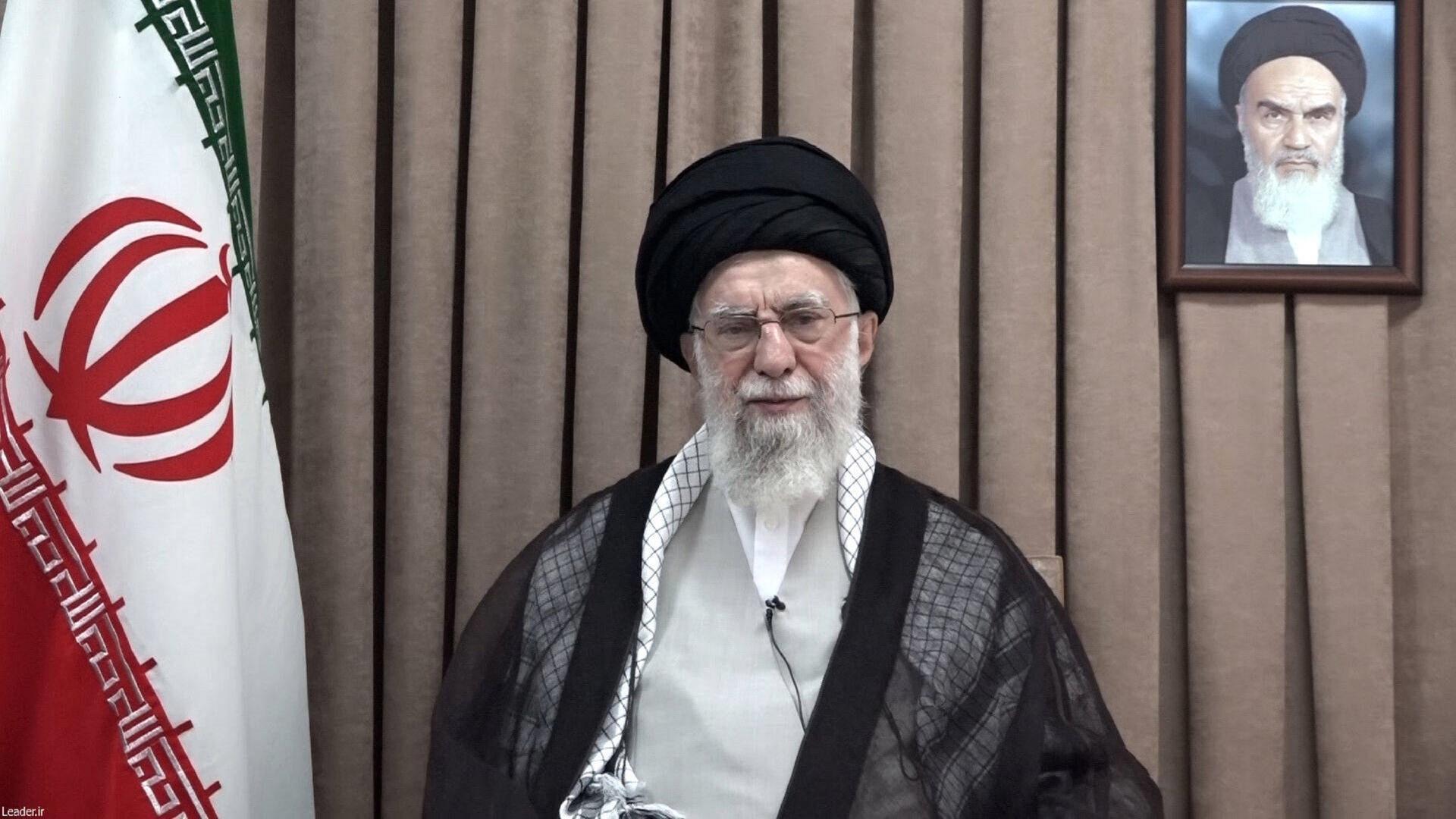
Iran has sharply criticized the recent peace agreement between Armenia and Azerbaijan, brokered by the United States, expressing concerns over its implications for regional stability. The deal, aimed at resolving long-standing tensions between the two South Caucasus neighbors, has drawn Tehran’s ire amid fears of increased foreign influence and potential disruptions to security dynamics along its borders. This development adds a new layer of complexity to the already fragile geopolitical landscape in the region.
Iran Condemns US-Brokered Armenia-Azerbaijan Peace Agreement as Destabilizing Effort
Tehran has openly criticized the latest peace agreement between Armenia and Azerbaijan, facilitated by the United States, describing it as a move that threatens regional stability. Iranian officials argue that the agreement, while ostensibly aimed at resolving longstanding conflicts, instead risks igniting new tensions by sidelining key regional stakeholders and undermining local diplomatic efforts. Iran’s foreign ministry spokesperson emphasized that Washington’s involvement seems more focused on expanding its influence in the South Caucasus than fostering genuine peace.
The condemnation highlighted the following key concerns:
- Undermining Regional Balance: Iran fears that the US-brokered deal disregards the intricate geopolitical dynamics of the Caucasus, potentially upsetting alliances.
- Security Risks: Possible escalation of military build-ups near the Iranian border due to increased foreign involvement.
- Marginalization of Iran’s Role: Reduced participation in peace negotiations despite being a neighboring power with vested interests.
| Stakeholder | Position on Agreement | Concerns |
|---|---|---|
| Iran | Opposed | Destabilizing influence, exclusion |
| Armenia | Supportive | Territorial recognition, peace hopes |
| Azerbaijan | Supportive | Security guarantees, territorial integrity |
| United States | Broker | Geopolitical leverage |
Tehran Highlights Regional Security Risks and Calls for Inclusive Dialogue Among South Caucasus States
Tehran has voiced sharp criticism over the recent peace agreement between Armenia and Azerbaijan, mediated by the United States, emphasizing the potential destabilization risks it poses to the broader South Caucasus region. Iranian officials argue that the pact, while aimed at ending decades-long hostilities, overlooks crucial regional dynamics and fails to incorporate the voices of neighboring countries. According to Tehran, such an approach could inadvertently exacerbate security tensions rather than resolve them, urging all stakeholders to reassess the framework with inclusivity as a priority.
At the core of Tehran’s concerns is a call for a comprehensive dialogue involving all South Caucasus states, which it believes is essential for lasting peace. Key points highlighted by Iranian diplomats include:
- Recognition of historical grievances across the region
- Ensuring equitable resource sharing, especially regarding water and energy
- Guaranteeing minority rights and cross-border cooperation
| Issue | Tehran’s Concern | Suggested Approach |
|---|---|---|
| Security Guarantees | Exclusion of regional actors | Inclusive multilateral talks |
| Resource Distribution | Uneven access to water/energy | Joint management agreements |
| Ethnic Minorities | Insufficient protections | Legal safeguards and cultural rights |
Experts Recommend Renewed Multilateral Negotiations with Greater Iranian Involvement to Ensure Lasting Peace
Following the recent developments in the Armenia-Azerbaijan conflict, a growing number of international experts emphasize the critical need to re-engage in multilateral negotiations that include a broader spectrum of regional actors-most notably Iran. Analysts argue that excluding Iran from pivotal talks not only undermines the potential durability of any ceasefire but also overlooks Iran’s unique geopolitical leverage and deep-rooted ties with both countries.
Key factors emphasized by experts include:
- Iran’s strategic position as a neighbor and influencer in the South Caucasus
- The importance of balanced dialogue to ensure all stakeholders’ interests
- The risk of marginalizing critical voices leading to fragile agreements
- Leveraging Iran’s diplomatic channels to foster trust and long-term peace
| Negotiation Aspect | Potential Benefit of Including Iran |
|---|---|
| Border Security | Improved monitoring and joint enforcement |
| Economic Cooperation | Enhancement of regional trade corridors |
| Conflict Resolution | Facilitated trust-building measures |
| Cultural Dialogue | Promotion of cross-border community engagement |
Key Takeaways
As tensions persist in the South Caucasus, Iran’s condemnation of the US-brokered Armenia-Azerbaijan peace agreement signals the complexities surrounding regional stability. While the deal aims to halt years of conflict between the two neighbors, Tehran’s objections underscore the broader geopolitical challenges involved. Observers will be closely watching how this diplomatic breakthrough unfolds and whether it can withstand opposition from influential regional actors.


![President of Serbia arrives in Azerbaijan on visit [PHOTO] – AzerNews](https://europ.info/wp-content/uploads/2026/05/3050969-president-of-serbia-arrives-in-azerbaijan-on-visit-photo-azernews-350x250.jpg)