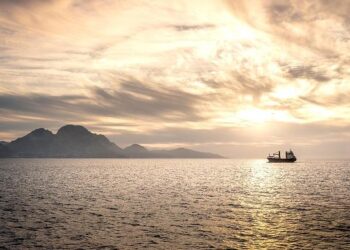
The newly launched ultra-spec alternative-fuel tanker, Hercules Harriet, has made its inaugural European stop at the Port of Gibraltar, marking a significant milestone in the maritime industry’s shift towards greener shipping solutions. The visit underscores Gibraltar’s growing role as a strategic refuelling hub for next-generation vessels committed to reducing carbon emissions. As environmental regulations tighten globally, Hercules Harriet exemplifies the advancements in sustainable maritime technology that are set to transform fuel logistics across key international ports.
New Ultra-Spec Alternative-Fuel Tanker Hercules Harriet Docks in Gibraltar
The Hercules Harriet, a cutting-edge alternative-fuel tanker boasting ultra-spec technology, has made its inaugural European docking at the Port of Gibraltar. This landmark arrival marks a significant stride towards greener maritime logistics, showcasing advanced propulsion systems designed to minimize emissions and optimize fuel efficiency. Equipped to operate on a blend of clean energy sources, the tanker is setting new standards for sustainable shipping practices across the continent.
Key features of the Hercules Harriet include:
- Dual-fuel engines compatible with liquefied natural gas (LNG) and biofuels
- State-of-the-art navigation systems enabling enhanced route optimization
- Eco-friendly hull design reducing drag and fuel consumption
Its strategic stopover in Gibraltar not only highlights the port’s growing role in accommodating next-generation vessels but also underlines ongoing investments in infrastructure to support alternative energy bunkering. The Hercules Harriet’s visit is a clear signal of the maritime industry’s accelerating transition towards sustainability.
| Specification | Details |
|---|---|
| Length | 183 meters |
| Fuel Type | LNG/Biofuel Hybrid |
| Emission Reduction | Up to 40% |
| Cargo Capacity | 85,000 DWT |
| Operational Range | 12,000 nautical miles |
Exploring Hercules Harriets Advanced Green Technologies and Environmental Impact
The Hercules Harriet represents a significant leap forward in marine fuel technology, leveraging cutting-edge green innovations to cut harmful emissions dramatically. Equipped with a state-of-the-art dual-fuel engine system, the tanker primarily burns ultra-low sulfur diesel while seamlessly switching to next-generation alternative fuels such as liquefied natural gas (LNG) and bio-methanol. This adaptability not only ensures compliance with increasingly stringent international maritime regulations but also boosts overall fuel efficiency by up to 30%. Advanced onboard monitoring systems continuously optimize fuel consumption and emissions, providing real-time data to the crew and shore-based operators, enhancing environmental accountability at every voyage stage.
Beyond engine technology, the vessel integrates several eco-friendly design elements to mitigate its ecological footprint. Key features include:
- Hydrodynamically optimized hull design to reduce drag and fuel burn
- Hybrid battery packs supporting peak power demands and reducing generator load
- Advanced wastewater treatment facilities to prevent marine contamination
| Environmental Feature | Benefit | Impact Reduction |
|---|---|---|
| Dual-Fuel Engine | Lower greenhouse gas emissions | Up to 30% |
| Hull Optimization | Reduced fuel consumption | 10-15% |
| Hybrid Batteries | Decreased generator runtime | 5-8% |
| Wastewater Systems | Protects marine ecosystems | 100% pollutant reduction |
These features position the Hercules Harriet as a flagship model in sustainable shipping, reflecting growing industry momentum towards greener maritime operations and contributing actively to global efforts against climate change.
Recommendations for Enhancing Gibraltar’s Role as a Hub for Sustainable Maritime Innovation
To solidify Gibraltar’s position as a nexus for sustainable maritime innovation, it is essential to invest in cutting-edge infrastructure that accommodates alternative fuel vessels like the Hercules Harriet. Expanding bunkering facilities for green fuels, such as ammonia, hydrogen, and bio-LNG, will facilitate faster turnaround times and encourage more operators to choose Gibraltar as a strategic stop. Moreover, fostering partnerships between academia, technology startups, and maritime stakeholders can drive research and development initiatives focused on emission reduction and smart vessel technologies.
Equally vital is the implementation of supportive regulatory frameworks that promote environmental compliance without compromising commercial viability. This includes:
- Incentives for early adopters of zero-emission and low-carbon shipping technologies
- Streamlined port procedures that prioritize sustainable ships to reduce delays and emissions
- Collaborative platforms to share data on energy efficiency and environmental impact among maritime operators
| Key Focus Area | Proposed Action | Expected Impact |
|---|---|---|
| Fuel Supply | Green fuel bunkering expansion | Higher port attractiveness for ultra-spec vessels |
| Collaboration | Innovation hubs & R&D partnerships | Accelerated maritime technology advancements |
| Regulations | Incentives and streamlined procedures | Increased sustainable vessel traffic |
Key Takeaways
As the Hercules Harriet makes its inaugural European visit to Gibraltar, this milestone underscores the growing commitment to sustainable shipping within the maritime industry. The arrival of this ultra-spec alternative-fuel tanker not only highlights advances in cleaner fuel technology but also positions Gibraltar as a key hub in supporting greener maritime logistics. Industry observers will be watching closely as Hercules Harriet continues its journey, signaling a potential shift toward more environmentally responsible shipping practices across Europe and beyond.