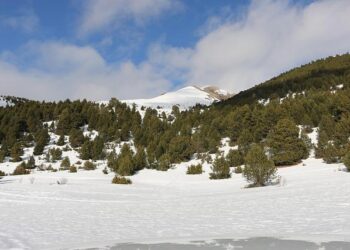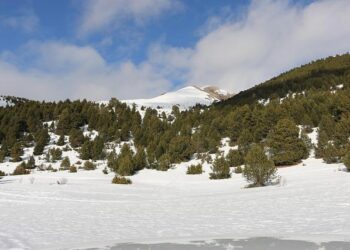
Nestled high in the Pyrenees between France and Spain, Andorra la Vella is more than just the capital of the tiny principality of Andorra-it’s a dynamic hub of culture, commerce, and innovation. In this first installment of Monocle’s in-depth case study series, we explore how Andorra la Vella has transformed itself into a vibrant urban center while preserving its unique heritage. From its strategic economic initiatives to its commitment to sustainability and design, the city’s evolution offers valuable insights into how small capitals can punch well above their weight on the global stage.
Urban Planning Innovations Transforming Andorra La Vella
Andorra La Vella is embracing a suite of forward-thinking urban planning initiatives aimed at redefining its compact cityscape. Central to this transformation is the integration of green infrastructure, which includes expanded pedestrian zones and strategically planted urban forests that mitigate pollution and enhance air quality. These efforts are complemented by advanced public transit systems that prioritize electric buses and shared micromobility options, designed to reduce carbon emissions and ease traffic congestion in the narrow mountain city streets.
The city’s planners are also pioneering smart technology integration to bolster sustainability and quality of life. Key features include:
- Real-time monitoring of traffic and air pollution via IoT sensors
- Adaptive street lighting systems that optimize energy usage based on pedestrian activity
- Digital platforms for citizen engagement, encouraging public input on urban projects
| Innovation | Benefit | Status |
|---|---|---|
| Green Pedestrian Corridors | Improved air quality & walkability | Operational |
| Electric Public Transit Fleet | Reduced emissions & noise pollution | Rolling out 2024 |
| Smart Lighting | Energy savings & increased safety | Pilot phase |
Sustainable Tourism Strategies for Long-Term Economic Growth
Andorra la Vella has carved out a distinctive path toward sustainable tourism by prioritizing environmental conservation alongside economic development. The city’s approach integrates strict regulations on new construction projects to preserve natural landscapes, while public transportation has been significantly enhanced to reduce the carbon footprint generated by tourists. Local businesses have been incentivized to adopt green practices, such as energy-efficient operations and waste reduction initiatives, which in turn attract a growing demographic of eco-conscious travelers. This dual focus not only protects the region’s pristine Alpine environment but also ensures a resilient market that adapts to global tourism trends.
Key pillars underpinning this strategy include:
- Community Engagement: Involving residents in tourism planning to maintain cultural heritage and social well-being.
- Diversification of Offerings: Expanding year-round activities, from winter sports to summer hiking, to stabilize visitor numbers.
- Innovation in Infrastructure: Implementing smart city solutions like energy-efficient street lighting and water reuse systems.
The economic impact is measurable: sustainable initiatives have boosted local employment by 15% over five years, while visitor satisfaction rates exceed 90%. Moreover, a balanced calendar of events mitigates the usual seasonal spikes, ensuring steady income flows for small businesses and public services alike.
| Strategy | Outcome | Timeline | |||||||
|---|---|---|---|---|---|---|---|---|---|
| Green Building Codes | Reduced energy consumption by 30% | 2018-2023 | |||||||
| Eco-Friendly Transport Network | Increased public transit use by 40% | Andorra la Vella has carved out a distinctive path toward sustainable tourism by prioritizing environmental conservation alongside economic development. The city’s approach integrates strict regulations on new construction projects to preserve natural landscapes, while public transportation has been significantly enhanced to reduce the carbon footprint generated by tourists. Local businesses have been incentivized to adopt green practices, such as energy-efficient operations and waste reduction initiatives, which in turn attract a growing demographic of eco-conscious travelers. This dual focus not only protects the region’s pristine Alpine environment but also ensures a resilient market that adapts to global tourism trends. Key pillars underpinning this strategy include:
The economic impact is measurable: sustainable initiatives have boosted local employment by 15% over five years, while visitor satisfaction rates exceed 90%. Moreover, a balanced calendar of events mitigates the usual seasonal spikes, ensuring steady income flows for small businesses and public services alike.
|