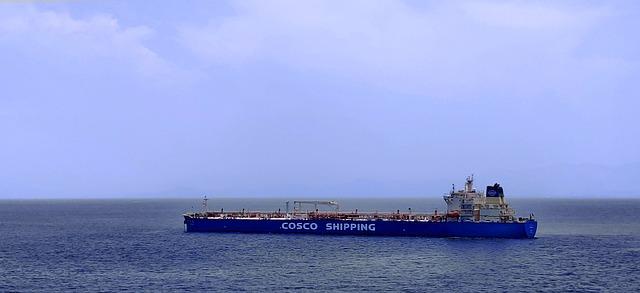
IMPORTANT MOMENT FOR SERBIA: Transport of Crude Oil for NIS and the Pančevo Refinery via JANAF Has Started
Serbia marks a significant milestone in its energy sector as the transport of crude oil for Naftna Industrija Srbije (NIS) and the Pančevo Refinery through the JANAF pipeline system has officially commenced. This development promises to enhance the country’s energy security, streamline supply chains, and bolster the operational capacity of one of Serbia’s most important industrial facilities. The initiation of this strategic oil transport route underscores Serbia’s ongoing efforts to strengthen its energy infrastructure and regional cooperation.
Serbia Strengthens Energy Security as Crude Oil Transport via JANAF Commences
Serbia has embarked on a pivotal step towards enhancing its energy independence with the commencement of crude oil transport via the JANAF pipeline system. This strategic move ensures a more reliable and efficient supply chain for NIS and the Pančevo Refinery, two cornerstone entities in Serbia’s energy sector. By leveraging the well-established JANAF infrastructure, Serbia reduces its dependence on volatile transportation methods and geopolitical uncertainties, thus solidifying its energy security. The pipeline integration not only accelerates delivery times but also cuts logistical costs, marking a significant improvement in the national fuel supply framework.
Key advantages of the new crude oil transport route include:
- Increased volume capacity and steady oil flow to domestic refineries
- Minimization of transit disruptions caused by road or rail transport
- Enhanced coordination with regional energy partners via existing networks
- Strengthening Serbia’s position in Southeast European energy markets
| Parameter | Details |
|---|---|
| Pipeline Length | Approximately 300 km |
| Daily Transport Capacity | Up to 2 million barrels |
| Refinery Impact | Pančevo Refinery – 30% increase in crude intake |
| Expected Cost Savings | 15% annually |
Operational Details and Economic Impact of New Supply Route to Pančevo Refinery
The newly established crude oil transport route to the Pančevo Refinery marks a significant advancement in Serbia’s energy infrastructure. Utilizing the JANAF pipeline network, this operational upgrade ensures a more reliable and efficient flow of raw materials essential for refining processes. The strategic corridor reduces dependency on older, less efficient supply chains, allowing for a steady delivery of up to 750,000 tons of crude oil annually. Enhanced logistical coordination between NIS and JANAF has resulted in minimized transit times and operational costs, bolstering the refinery’s output capacity while maintaining stringent safety and environmental standards.
The economic repercussions of this development resonate beyond the energy sector, promising broader benefits for Serbia’s economy. Key impacts include:
- Job creation within logistics, maintenance, and refinery operations.
- Increased domestic energy security by optimizing oil supply routes locally.
- Reduction in import costs due to streamlined crude transport and handling.
- Strengthened regional trade positioning Serbia as a critical energy transit hub.
| Indicator | Before Route | After Route |
|---|---|---|
| Annual Crude Oil Delivered | 450,000 tons | 750,000 tons |
| Average Transport Time | 5 days | 3 days |
| Operational Costs | High | Moderate |
Strategic Recommendations for Enhancing Crude Oil Logistics and Future Infrastructure Investments
Optimizing the crude oil transport network is critical to capitalizing on the recent commencement of shipments via JANAF for NIS and the Pančevo Refinery. Prioritizing the modernization of pipeline infrastructure will reduce transit times and operational costs, thus ensuring a more resilient supply chain. Investments should focus on advanced monitoring technologies and automation to enhance pipeline safety and efficiency. Furthermore, establishing strategic storage hubs close to refining sites will mitigate risks related to supply disruptions and market fluctuations, securing continuous refinery operations and steady market deliveries.
Looking ahead, future infrastructure investments must integrate sustainability with scalability. Expanding multimodal transport capabilities – combining pipeline, rail, and road networks – can diversify transit options and improve responsiveness to market demands. Collaborative ventures between public and private sectors are essential to fund these upgrades, supported by clear regulatory frameworks that encourage innovation and environmental stewardship. Below is a concise overview of key focus areas and expected benefits:
| Focus Area | Expected Benefit |
|---|---|
| Pipeline Automation | Real-time monitoring and leak prevention |
| Storage Capacity Expansion | Improved supply security and buffer stocks |
| Multimodal Logistics Integration | Enhanced flexibility and reduced bottlenecks |
| Public-Private Partnerships | Accelerated funding and project implementation |
Wrapping Up
The commencement of crude oil transport for NIS and the Pančevo Refinery through JANAF marks a significant milestone for Serbia’s energy sector. This development not only enhances the country’s energy security but also strengthens its position within the regional energy landscape. As operations continue to expand, stakeholders remain optimistic about the positive economic and strategic impacts this initiative will bring to Serbia in the coming years.