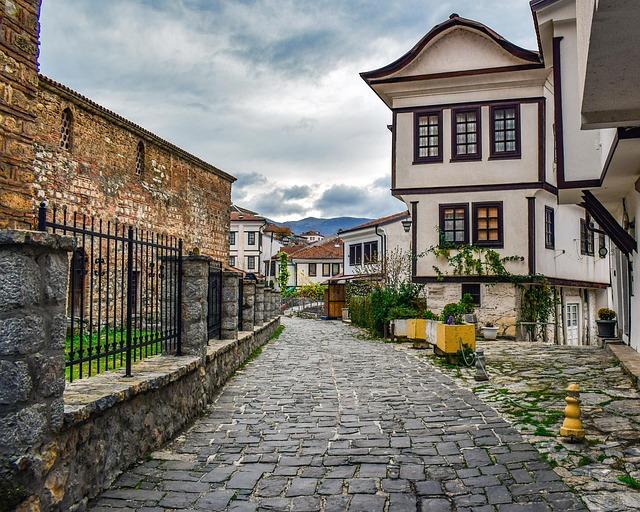
Tensions with neighboring countries continue to stall North Macedonia’s long-awaited accession to the European Union, raising concerns over the region’s stability and integration prospects. Despite significant reforms and a strategic push towards EU membership, unresolved disputes with Balkan neighbors remain a major impediment, complicating diplomatic efforts and delaying crucial negotiations. As the country stands at the crossroads of its European ambitions, the persistence of these conflicts casts a shadow over its path to EU accession.
Neighbourly Disputes Stall North Macedonia’s EU Accession Prospects
Diplomatic tensions with neighbouring countries continue to obstruct North Macedonia’s path toward European Union membership. Despite significant reforms and efforts to align with EU standards, unresolved disputes with both Bulgaria and Greece create persistent diplomatic hurdles. These conflicts primarily revolve around issues of historical interpretation, language recognition, and bilateral agreements, which have led to delayed negotiations and stalled progress in accession talks.
Key friction points include:
- Bulgaria’s objections related to historical and linguistic disputes, demanding recognition of a shared historical heritage.
- Greece’s concerns
- Political instability triggered by these disputes causing a slowdown in institutional reforms.
| Issue | Country Involved | Status |
|---|---|---|
| Historical Heritage Recognition | Bulgaria | Stalled Negotiations |
| Name Dispute Resolution | Greece | Partially Resolved |
| EU Reform Alignment | EU Commission | In Progress |
Historical Grievances and Diplomatic Deadlocks Fuel Regional Tensions
Decades-old disputes rooted in historical narratives continue to complicate diplomatic efforts, undermining North Macedonia’s aspirations for EU integration. The country remains entangled in a web of unresolved issues with neighboring states, where collective memories and divergent interpretations of history fuel persistent mistrust. These grievances often transcend politics, shaping national identities and influencing public opinion across borders. As a result, diplomatic negotiations frequently reach impasses, stalling progress on critical agreements required for accession talks.
Key factors contributing to regional discord include:
- Conflicting claims over cultural and historical heritage
- Disputes surrounding language rights and minority protections
- Border disagreements and competing territorial narratives
- Legacy of past political tensions amplified by nationalist rhetoric
| Neighboring Country | Main Issue | Impact on EU Talks |
|---|---|---|
| Bulgaria | Historical Recognition & Identity | Blocked progress since 2020 |
| Greece | Name Dispute (resolved 2018) | Delayed earlier negotiations by a decade |
| Serbia | Minority Rights Concerns | Occasional diplomatic tensions |
Pathways to Resolution Recommendations for Breaking the Impasse
To move beyond longstanding stalemates, diplomatic channels need revitalization with a focus on mutual respect and practical compromise. Experts advocate for incremental confidence-building measures, such as joint cultural initiatives and economic cooperation projects that can bridge divides at the grassroots level. Additionally, third-party mediation-whether by EU-appointed envoys or international organizations-could inject fresh momentum into currently stagnant talks by offering neutral ground and creative frameworks for dialogue.
Strategic engagement must also be supported by clear benchmarks and transparent communication to rebuild trust between parties. The following outline highlights key steps recommended by policy analysts to break the impasse:
- Establishment of cross-border working groups to address shared challenges in infrastructure and environment
- Regularized bilateral summits focusing on updating and reassessing agreements
- EU facilitation of a structured dialogue platform with measurable outcomes
- Incentivizing local cooperation through targeted funding and development programs
- Legal clarification and respect for minority rights on all sides
| Recommended Action | Expected Outcome |
|---|---|
| Joint Cultural Festivals | Enhanced Social Cohesion |
| Technical Expert Panels | Competent Conflict Resolution |
| EU Mediation Initiatives | Neutral Negotiation Environment |
| Infrastructure Collaboration | Mutual Economic Benefit |
To Conclude
As North Macedonia continues its pursuit of European Union membership, longstanding neighbourly disputes remain a formidable obstacle, casting uncertainty over the country’s integration prospects. While political dialogue offers a pathway forward, the resolution of these conflicts will be essential not only for North Macedonia’s EU ambitions but also for regional stability in the Western Balkans. The coming months will be critical in determining whether diplomacy can overcome entrenched divisions at this pivotal juncture.