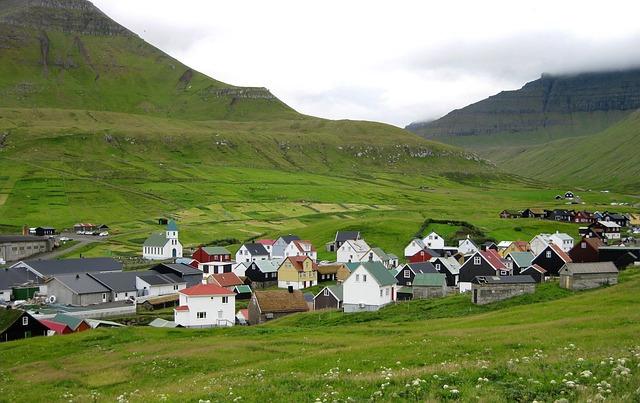
The Faroe Islands, known for their rugged landscapes and unspoiled natural beauty, have recently witnessed an unprecedented surge in tourism. This sudden influx of visitors has prompted authorities and local experts to issue safety warnings, highlighting the challenges posed by the archipelago’s remote terrain and unpredictable weather conditions. As the Faroes grapple with managing the tourism boom, questions arise about sustainable travel and the measures needed to protect both visitors and the fragile environment.
Tourism Surge Overwhelms Faroe Islands Infrastructure Raising Safety Concerns
The rapid influx of visitors to the Faroe Islands has stretched local infrastructure beyond capacity, igniting urgent calls from authorities and locals for immediate measures. Roads, hiking trails, and accommodation facilities are experiencing unprecedented pressure, causing concerns about both environmental degradation and public safety. Emergency services have reported an increase in rescue operations, particularly in remote hiking areas where tourists often underestimate the challenging terrain and rapidly changing weather conditions.
- Traffic congestion on narrow island roads during peak tourist hours
- Strain on waste management resulting in litter accumulation near popular sites
- Overcrowding at emergency response centers, delaying critical interventions
- Insufficient signage and safety barriers along hazardous cliffs and paths
Authorities have introduced new guidelines aimed at mitigating risks, but local residents emphasize the need for long-term infrastructural investment and sustainable tourism policies. The following table breaks down recent statistics on tourism growth compared to emergency incidents reported over the last two years:
| Year | Tourist Arrivals | Reported Emergencies | Infrastructure Incidents |
|---|---|---|---|
| 2022 | 85,000 | 320 | 45 |
| 2023 | 130,000 | 540 | 78 |
Authorities Urge Visitors to Follow Strict Guidelines to Prevent Accidents
With the recent surge in tourist arrivals, local authorities have emphasized the critical need for visitors to adhere to established safety protocols to mitigate the risk of accidents in the Faroe Islands’ rugged terrain. Emergency services report a noticeable increase in rescue operations, often linked to visitors underestimating the island’s unpredictable weather and challenging landscapes. To ensure a safe experience, tourists are advised to strictly follow designated trails, avoid venturing close to cliff edges, and always inform someone about their travel plans.
Key safety recommendations include:
- Wearing appropriate hiking gear and footwear
- Checking weather forecasts before embarking on excursions
- Carrying a fully charged mobile phone with local emergency numbers
- Avoiding risky behavior such as climbing unstable rocks
| Common Risks | Preventive Measures |
|---|---|
| Sudden Weather Changes | Check updated forecasts regularly |
| Slippery Cliff Edges | Keep minimum distance and use marked paths |
| Getting Lost | Carry GPS or maps; travel in groups |
| Inadequate Communication | Inform lodging hosts of your route |
Experts Recommend Sustainable Tourism Practices to Protect Fragile Environment
Amid the rapid influx of visitors to the Faroe Islands, environmental specialists are urging immediate adoption of responsible travel behaviors. The pristine landscapes, home to unique flora and fauna, face unprecedented stress as foot traffic increases along vulnerable hiking paths and coastal areas. Experts stress the need for tourists to adhere to established trails, minimize waste, and respect local wildlife to mitigate long-term damage. Community-led initiatives have also emerged, promoting eco-friendly accommodations and guided tours that prioritize conservation efforts.
Key sustainable practices recommended for visitors include:
- Using public transport or shared rides to reduce carbon footprint
- Carrying reusable water bottles and avoiding single-use plastics
- Supporting local businesses dedicated to environmental stewardship
- Participating in guided tours that educate on ecological preservation
| Recommended Action | Environmental Benefit | Visitor Impact |
|---|---|---|
| Stick to Marked Trails | Prevents soil erosion & habitat disruption | Preserves natural scenery for all |
| Reduce Plastic Use | Decreases pollution & harm to marine life | Promotes eco-friendly tourism culture |
| Choose Local Providers | Supports sustainable economic growth | Ensures authentic cultural experiences |
In Retrospect
As the Faroe Islands continue to attract a growing number of tourists drawn by their rugged landscapes and unique culture, authorities emphasize the importance of safety and responsible travel. The recent surge in visitors has prompted renewed calls for awareness and adherence to guidelines designed to protect both travelers and the fragile environment. Moving forward, balancing tourism growth with safety measures will be crucial to ensuring that the Faroe Islands remain a captivating yet secure destination for all.