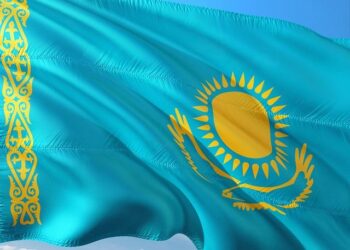
Kazakhstan has officially approved the site for its second nuclear power plant, marking a significant step in the country’s efforts to diversify its energy portfolio and enhance energy security. The decision, announced by government officials, underscores Kazakhstan’s commitment to expanding its nuclear energy capacity amid growing domestic demand and regional energy dynamics. This development comes as the nation seeks to balance economic growth with sustainable energy production, positioning nuclear power as a key component of its long-term energy strategy.
Kazakhstan Selects Site for Second Nuclear Power Plant Boosting Energy Capacity
Kazakhstan has officially designated the site for its second nuclear power plant, a strategic move aimed at significantly expanding the nation’s energy production capabilities. This new facility, positioned in a region with favorable geological conditions, is expected to bolster national power output by providing a stable and sustainable source of electricity. The expansion reflects Kazakhstan’s commitment to diversifying its energy portfolio and reducing dependence on fossil fuels, aligning with global trends toward cleaner energy solutions.
Key features of the project include:
- Increased Energy Capacity: Projected to add over 1,200 MW to the national grid.
- Advanced Safety Protocols: Implementation of state-of-the-art safety and environmental technologies.
- Economic Impact: Creation of thousands of jobs during construction and operation phases.
| Aspect | Details |
|---|---|
| Location | North Kazakhstan Region |
| Capacity | 1,200 MW (approx.) |
| Construction Start | Expected 2025 |
| Operational Date | Projected 2030 |
Environmental and Economic Implications of Kazakhstan’s New Nuclear Project
The approval of Kazakhstan’s second nuclear power plant marks a significant step in the country’s commitment to diversify its energy portfolio and reduce carbon emissions. Environmentally, the new facility is expected to produce a substantial amount of clean electricity, helping to mitigate reliance on coal and natural gas, which are major contributors to air pollution. Additionally, the project aligns with Kazakhstan’s vision to meet its obligations under international climate agreements by lowering its greenhouse gas footprint. However, concerns over radioactive waste management and potential ecological risks remain topics of discussion among environmental experts and local communities.
Economically, this ambitious project promises to stimulate regional development through job creation, infrastructure investment, and increased energy security. The plant is projected to provide stable and affordable electricity supplies, which can catalyze industrial growth and attract foreign investment. Below is a brief overview of the anticipated economic impacts:
- Job Creation: Over 3,000 temporary and 700 permanent positions
- Energy Production: 1,200 MW capacity expected to power approx. 1 million homes
- Infrastructure Boost: Development of local transport and utility networks
- Attraction of Investments: Potential multi-billion-dollar inflows within 10 years
| Category | Current Status | Expected Impact |
|---|---|---|
| Electricity Generation | 40% from fossil fuels | Increase clean energy share to 55% |
| CO2 Emissions | 150 million tons/year | Reduction by 10 million tons/year |
| Local Employment | Limited technical roles | Expansion in skilled labor demand |
Recommendations for Ensuring Safety and Sustainable Development in Kazakhstan’s Nuclear Expansion
To safeguard public health and environmental integrity amid Kazakhstan’s nuclear expansion, it is essential to establish a rigorous regulatory framework that aligns with international standards. Continuous monitoring of radiation levels, regular safety drills, and transparent communication with local communities must be prioritized to build trust and readiness. Collaborating with global nuclear agencies will ensure that best practices are integrated at every stage, from planning to operation. Additionally, investment in advanced technology to minimize nuclear waste and enhance reactor safety systems will be critical for long-term sustainability.
Economic and ecological sustainability should go hand in hand. The government should promote renewable energy integration alongside nuclear development to diversify the energy mix and reduce carbon emissions. Policies encouraging local workforce training and development can foster skilled jobs and promote social equity. Below is a simplified overview of key focus areas for maintaining safety and sustainability in the upcoming nuclear project:
| Focus Area | Key Actions |
|---|---|
| Regulatory Oversight | Adopt international safety standards, frequent audits |
| Community Engagement | Transparent communication, public education programs |
| Waste Management | Invest in safe storage and recycling technologies |
| Energy Mix | Combine nuclear power with renewables for balance |
| Workforce Development | Training programs, promote local employment |
Concluding Remarks
As Kazakhstan moves forward with its plans to expand its nuclear energy capabilities, the approval of the location for a second nuclear power plant marks a significant milestone in the country’s energy strategy. This development underscores Kazakhstan’s commitment to diversifying its energy mix and enhancing its electricity generation capacity to meet growing domestic demand while addressing environmental concerns. Further updates on the project’s progress and its potential impact on the region are expected in the coming months.