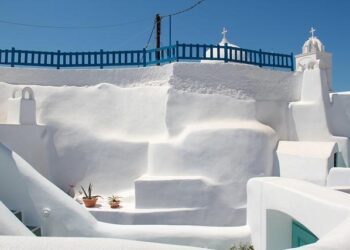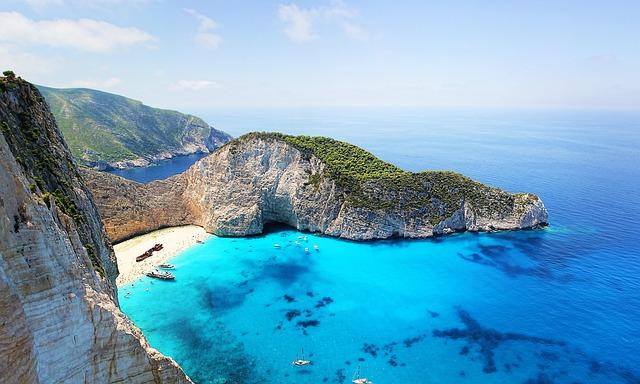
Greece has long been celebrated for its stunning coastline and crystal-clear waters, but its pristine beaches are now setting new benchmarks for natural beauty and sustainable tourism. As travelers increasingly seek untouched landscapes and authentic experiences, Greece’s shores offer more than just picturesque views-they represent a commitment to preserving environmental integrity while enhancing visitor appeal. This article explores the secrets behind Greece’s rise as a global standard-bearer for beach excellence and reveals what visitors might be missing when they overlook these unspoiled gems.
Greece’s Untouched Shores Redefining Coastal Beauty Standards
Along Greece’s extensive coastline, a transformation is quietly unfolding as visitors rediscover the allure of its untouched shores. Unlike the crowded tourist hotspots, these sparsely populated beaches boast landscapes where nature reigns supreme-crystal-clear waters gliding over powdery white sand, framed by rugged cliffs and fragrant pine forests. This untouched appeal challenges modern standards of coastal beauty, emphasizing preservation and authenticity over commercialization. The vibrant marine life, undisturbed dunes, and local communities committed to sustainable tourism collectively redefine what it means to experience an idyllic seaside retreat.
Travelers eager for genuine serenity are increasingly drawn to these hidden gems, where the environment remains almost pristine. Noteworthy features setting these beaches apart include:
- Uncrowded spaces: Minimal human impact allows ecosystems to flourish.
- Eco-conscious initiatives: Local regulations ensure responsible visitor behavior.
- Cultural heritage integration: Nearby villages maintain traditional lifestyles.
- Exceptional water quality: Multiple Blue Flag certifications highlight purity.
Behind these shining accolades lies a commitment to balance-preserving natural beauty while inviting the curious traveler to explore responsibly. The following table summarizes key attributes that make these shores a benchmark for coastal excellence:
| Feature | Characteristic | Impact |
|---|---|---|
| Water Clarity | Visibility up to 30 meters | Supports diverse marine habitats |
| Beach Accessibility | Limited vehicle access | Reduces pollution and crowds |
| Flora & Fauna | Endemic plant species | Preserves biodiversity |
| Local Engagement | Community-led conservation | Ensures sustainable tourism |
Exploring Hidden Gems Beyond the Popular Islands
While Santorini and Mykonos often steal the spotlight, Greece’s lesser-known islands offer an untouched beauty that rivals their famous counterparts. Islands such as Amorgos, Folegandros, and Koufonisia boast pristine shores with crystal-clear waters and dramatically rugged landscapes, inviting travelers to experience tranquility away from the crowds. These hidden havens are perfect for those seeking authentic Greek charm, with traditional villages, local tavernas serving freshly caught seafood, and secluded beaches that remain virtually untouched by commercialization.
Exploring these gems not only enriches the travel experience but also contributes to sustainable tourism, ensuring that Greece’s natural beauty is preserved for future generations. Here is a quick glance at what some of these islands offer:
- Amorgos: Famous for the deep blue waters of Agia Anna Bay and dramatic hiking trails.
- Folegandros: Offers breathtaking sunsets and an idyllic Chora with narrow winding streets.
- Koufonisia: Tiny yet vibrant, boasting sandy beaches and a lively seaside atmosphere.
| Island | Unique Feature | Best Time to Visit |
|---|---|---|
| Amorgos | Secluded hiking paths | May – September |
| Folegandros | Picturesque Chora village | June – October |
| Koufonisia | Crystal-clear lagoon beaches | July – August |
Local Insights and Travel Tips for Experiencing Greece’s Best Beaches
When exploring Greece’s untouched coastline, timing and location are everything. Early mornings are your best chance to enjoy the tranquil beauty of popular spots like Navagio Beach in Zakynthos or Elafonissi in Crete without the crowds. For more authentic experiences, venture to lesser-known gems such as Agios Pavlos in Crete or Voutoumi Bay on Antipaxos Island, where crystal-clear waters meet untouched nature. Don’t overlook the power of renting a small boat or scooter to access secluded coves-this not only enhances your freedom but also reveals hidden paradises beyond the typical tourist trail.
Preparation enhances every visit. Pack eco-friendly sunscreen and reusable water bottles to preserve these delicate environments. Consider these local insights for a smoother trip:
- Check seasonal winds: Meltemi winds in summer affect sea conditions on northern islands.
- Local cuisine nearby: Sample fresh seafood at beachfront taverna spots to combine gastronomic delight with sea views.
- Respect local customs: Some beaches double as sacred sites or protected reserves; follow guidelines to preserve their sanctity.
| Beach | Best Time to Visit | Unique Feature |
|---|---|---|
| Porto Katsiki (Lefkada) | Early June – Mid September | Spectacular cliff backdrop & turquoise water |
| Simopetra (Skopelos) | Late May – Early October | Secluded setting with crystal clear waters |
| Voutoumi Bay (Antipaxos) | July – August | White sand and turquoise lagoon |
Insights and Conclusions
As Greece continues to elevate the allure of its pristine beaches, setting new benchmarks for natural beauty and sustainable tourism, travelers worldwide are taking note. Beyond the sun and sand, these coastal gems offer a glimpse into a harmonious balance between preservation and accessibility, redefining what a perfect beach destination truly means. For those seeking both tranquility and inspiration, Greece’s shores are proving to be an essential addition to the global travel map – inviting visitors to experience firsthand what they have long been missing.