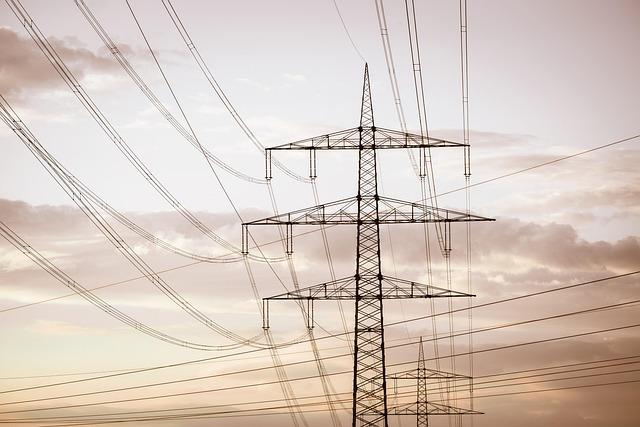
Ukraine and Moldova have reached a significant agreement to construct new power transmission lines aimed at enhancing the energy connectivity between the two neighboring countries. This development marks a crucial step in strengthening regional energy security and cooperation amid ongoing efforts to diversify energy sources and reduce dependence on traditional suppliers. The New Voice of Ukraine reports that the initiative is expected to boost electricity exchange capabilities, support economic ties, and contribute to the broader integration of Moldova into the European energy market.
Ukraine and Moldova Strengthen Energy Cooperation with New Power Transmission Agreements
Ukraine and Moldova have taken a significant step forward in their bilateral energy relations by signing new agreements focused on enhancing power transmission infrastructure. These accords pave the way for constructing upgraded power lines that will bolster grid stability and facilitate the exchange of electricity across their borders. The cooperation aims to address energy security challenges while promoting regional integration within the European energy market.
Key focal points of the agreements include:
- Modernization of existing transmission corridors to increase capacity.
- Deployment of smart grid technologies to improve efficiency and monitoring.
- Joint investment initiatives between Ukrainian and Moldovan energy operators.
- Enhanced cross-border coordination for emergency response and supply balancing.
| Project Aspect | Details |
|---|---|
| Transmission Line Length | Over 120 km |
| Estimated Completion | Late 2025 |
| Capacity Increase | 30% boost in cross-border supply |
Detailed Analysis of the Strategic Benefits for Regional Energy Security
The agreement to establish new power transmission lines between Ukraine and Moldova marks a pivotal step towards reinforcing the resilience of regional energy infrastructure. By interconnecting their grids, both nations can better mitigate risks associated with supply disruptions, fluctuating demand, and external geopolitical pressures. This enhanced linkage allows for real-time energy balancing and optimized resource allocation, reducing reliance on singular energy sources and fostering a more stable supply framework across Eastern Europe.
Key strategic benefits of this collaboration include:
- Diversification of energy routes: minimizing vulnerability to external shocks.
- Improved emergency response: shared capacity to manage power outages and crises.
- Accelerated integration: facilitating the assimilation of renewable energy sources.
- Enhanced market competition: promoting better pricing for consumers through cross-border energy trade.
| Strategic Aspect | Benefit |
|---|---|
| Grid Synchronization | Seamless power flow and frequency stability |
| Cross-border Collaboration | Unified response to energy emergencies |
| Supply Chain Security | Reduced dependence on external suppliers |
Recommendations for Enhancing Cross-Border Electricity Infrastructure Integration
To maximize the benefits of expanded power transmission lines between Ukraine and Moldova, focused efforts on enhancing infrastructure resilience and interoperability are essential. Upgrading existing grid components with smart technologies such as advanced sensors and real-time monitoring systems will greatly improve reliability and fault detection across borders. Additionally, harmonizing technical standards and operational protocols between the two countries can eliminate bottlenecks, ensuring smoother energy flow and quicker emergency responses.
Strategic investments should prioritize not only physical connections but also institutional cooperation frameworks. Establishing joint control centers and cross-border communication channels will facilitate coordinated grid management and dispatch. Furthermore, fostering regional partnerships through regular knowledge exchange workshops can align policy objectives and encourage innovation. Below is a concise overview of key recommendations:
- Implement smart grid technologies for enhanced monitoring
- Align national grid codes and safety standards
- Develop joint emergency response protocols
- Create bi-national control and dispatch centers
- Promote capacity-building and technical training programs
| Focus Area | Recommended Action |
|---|---|
| Technology | Deploy real-time grid monitoring |
| Policy | Standardize operational procedures |
| Collaboration | Establish joint control center |
Wrapping Up
The agreement between Ukraine and Moldova to construct new power transmission lines marks a significant step toward enhancing energy security and regional cooperation. As both countries work to diversify their energy sources and reduce dependence on external suppliers, the project promises to bolster the reliability of electricity supplies and support economic development. Stakeholders and observers will be watching closely as the initiative progresses, underscoring its potential impact on the broader energy landscape in Eastern Europe.