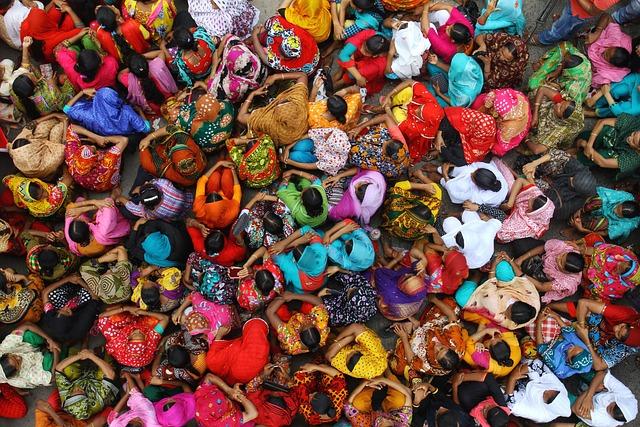
Tens of thousands of students and residents have taken to the streets across Serbia in a wave of protests reflecting mounting political tensions in the country. Demonstrators gathered in major cities, voicing their demands for political reforms and expressing frustration with government policies. The ongoing unrest underscores deepening divisions within Serbian society as calls for change grow louder. This article examines the latest developments in the Serbia protests and their implications for the nation’s political landscape.
Serbia Protest Sees Massive Turnout as Students and Residents Rally for Change
Thousands of demonstrators, led predominantly by students alongside local residents, flooded the streets in a powerful display of unity and defiance. The protest, marked by chants demanding reform and transparency, signaled a growing discontent with the current political landscape in Serbia. Organizers emphasize that this movement is rooted in a desire for systemic change, addressing issues from governance to economic disparity. Key demands range from anti-corruption measures to enhanced educational funding and improved public services.
Authorities reported surprisingly peaceful proceedings despite the massive turnout, highlighting a shared commitment to constructive dialogue between citizens and government representatives. Below is an overview of the core protestors’ demands and their corresponding impact areas:
| Demand | Target Area | Expected Outcome |
|---|---|---|
| Anti-corruption reforms | Government Accountability | Increased transparency & trust |
| Education investment | Schools & Universities | Improved learning environments |
| Healthcare improvements | Public Health System | Better access & quality care |
- Student groups played a pivotal role coordinating peaceful rallies across multiple cities.
- Local communities contributed resources and rallied broader support.
- Civic organizations continue monitoring dialogue between protest leaders and officials.
Analyzing the Root Causes Behind Ongoing Political Unrest in Serbia
The persistent political unrest in Serbia stems from a complex web of grievances tied to systemic issues and recent government actions that have alienated key societal groups. A dominant factor fueling discontent is widespread public frustration over perceived corruption and lack of transparency within governmental institutions. This distrust has been amplified by contentious media control, which critics argue stifles independent journalism and limits free expression. Additionally, economic stagnation and rising unemployment rates, especially among the youth, have created fertile ground for mobilization, leading students and residents alike to voice their demands for reform and accountability.
Underlying the protests are several critical pressures:
- Political Polarization: Deep divides between ruling parties and opposition factions have polarized the political landscape, complicating dialogue and resolution efforts.
- Judicial Concerns: Allegations of compromised judicial independence have eroded public confidence in fair governance.
- Socioeconomic Challenges: Widespread economic hardship, exacerbated by external geopolitical tensions, continues to impact everyday lives and exacerbate unrest.
| Key Issue | Impact on Public Sentiment | Government Response |
|---|---|---|
| Corruption Allegations | Heightened distrust | Promised investigations |
| Media Censorship | Restricted free speech | Increased state control |
| Unemployment | Rising social frustration | Job creation schemes |
| Judiciary Integrity | Questioned fairness | Judicial reforms proposed |
Calls for Dialogue and Reform Intensify Amid Growing Nationwide Demonstrations
The unrest sweeping across Serbia has galvanized a broad spectrum of citizens-ranging from university students to local residents-who are taking to the streets in unprecedented numbers. Demonstrators demand a transparent political process and urgent reforms to counter systemic corruption and reinforce democratic institutions. Among the recurring calls are:
- Establishment of an independent electoral commission to oversee upcoming elections;
- Immediate investigation into allegations of government malpractice;
- Improved protections for freedom of speech and assembly;
- Inclusive dialogue involving opposition leaders, civil society groups, and the ruling party.
These demands are echoing beyond Serbia’s major urban centers, signaling widespread frustration with the current political climate. Amid heated exchanges between protesters and authorities, mediators have stepped forward urging all stakeholders to engage in constructive negotiations. Below is a brief overview of the ongoing calls and their implications:
| Reform Area | Key Demands | Potential Impact |
|---|---|---|
| Electoral Integrity | Independent election oversight | Enhanced voter confidence |
| Judicial Transparency | Open investigations | Accountability of public officials |
| Freedom of Assembly | Safer protest conditions | Strengthened civil rights |
| Political Dialogue | Inclusive negotiations | Reduced tensions |
Concluding Remarks
As the protests in Serbia continue to draw students and residents into the streets, the nation remains at a pivotal juncture amid ongoing political tensions. Observers will be closely watching how authorities respond to the demonstrations and whether dialogue can be fostered to address the underlying grievances. The coming days are likely to prove critical in shaping Serbia’s political landscape and its path forward.