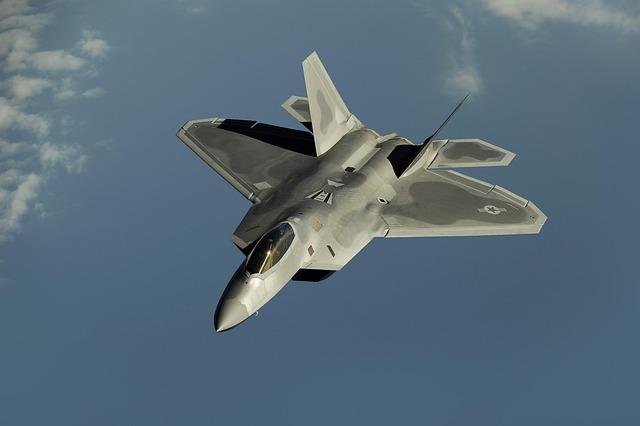
The Royal Netherlands Air and Space Force recently joined forces with their U.S. counterparts for the multinational exercise Gunfighter Flag 25-02, enhancing interoperability and combat readiness. Hosted at key training ranges in the United States, this joint operation underscores the ongoing commitment of NATO allies to strengthen tactical coordination and share best practices in air and space defense. The exercise provided a unique platform for pilots and support personnel from both nations to collaborate in complex scenarios, reinforcing transatlantic defense ties amid evolving global security challenges.
Royal Netherlands Air and Space Force Enhances Interoperability Through Joint Training Exercises
The Royal Netherlands Air and Space Force took a significant step toward enhancing its tactical cooperation capabilities by participating in the recent Gunfighter Flag 25-02 joint training exercises alongside U.S. Air Force units. This dynamic multinational event spotlighted interoperability as a core objective, fostering seamless communication, coordination, and operational alignment between allied air forces. Crews engaged in simulated combat scenarios, electronic warfare trainings, and coordinated airspace management drills designed to increase responsiveness during multinational deployments.
Key focus areas during Gunfighter Flag 25-02 included:
- Integrated mission planning to streamline cross-force operations
- Advanced electronic warfare tactics for enhanced threat detection and mitigation
- Real-time information sharing between Dutch and U.S. participants
- Joint command and control exercises to optimize decision-making processes
| Training Component | Objectives | Outcome |
|---|---|---|
| Simulated Combat Scenarios | Enhance tactical coordination | Improved joint response times |
| Electronic Warfare Drills | Strengthen defenses against electronic threats | Successful threat neutralization techniques |
| Airspace Management | Ensure efficient shared airspace utilization | Reduced operational conflicts |
Advanced Tactical Maneuvers and Communication Drills Tested During Gunfighter Flag 25-02
Participants engaged in a series of complex tactical exercises designed to enhance interoperability and battlefield awareness across multinational formations. These scenarios emphasized dynamic target acquisition, rapid decision-making under pressure, and coordinated air-ground maneuvers that tested the agility and precision of all units involved. Key stress points included simulated electronic warfare disruptions and contested communications environments, pushing aircrews to adapt quickly while maintaining mission objectives.
The communication drills were equally rigorous, focusing on secure and efficient data exchange between allied forces. Emphasis was placed on utilizing advanced encrypted channels and real-time information sharing platforms to synchronize movements and tactical responses. Below is a summary of the core drills executed during the event:
- Joint Airspace Management: Coordinated control of mixed aircraft assets in congested combat zones.
- Encrypted Comms Protocols: Testing resiliency against signal jamming and interception attempts.
- Real-Time Target Relay: Instantaneous data transfer to ground and aerial units for precision strikes.
| Exercise Element | Objective | Outcome |
|---|---|---|
| Dynamic Targeting | Improve rapid engagement accuracy | 95% success rate achieved |
| Communication Encryption | Ensure secure data flow | No breaches detected |
| Joint Maneuver Coordination | Seamless multi-unit operations | Enhanced interoperability |
Recommendations for Strengthening Multinational Air Defense Collaboration Based on Exercise Outcomes
To enhance the effectiveness of multinational air defense operations, emphasis must be placed on standardizing communication protocols among participating forces. During Gunfighter Flag 25-02, interoperability challenges emerged primarily due to incompatible data links and varied command systems. Addressing these discrepancies through joint training on unified software platforms and enforcing common terminology will ensure faster decision-making cycles and cohesive threat response. Additionally, expanding collaborative planning sessions before live exercises will foster mutual understanding of each nation’s tactical approaches, enabling smoother integration during high-pressure scenarios.
Building upon shared lessons, the exercise outcomes underscore the importance of investing in combined real-time intelligence sharing. Establishing secure, cross-national data networks will provide a fuller operational picture, thereby reducing reaction times against emerging aerial threats. The table below outlines key focus areas identified during the exercise alongside recommended initiatives for sustained improvement:
| Focus Area | Recommended Initiative |
|---|---|
| Communication Systems | Implement joint communication standards and regular interoperability drills |
| Command & Control | Develop shared protocols with unified decision-making frameworks |
| Intelligence Sharing | Create encrypted, multinational data exchange platforms |
| Tactical Training | Increase cross-force joint scenario workshops and after-action reviews |
The Conclusion
The joint training exercises at Gunfighter Flag 25-02 underscore the ongoing commitment of the Royal Netherlands Air and Space Force and their U.S. counterparts to enhance interoperability and readiness in a rapidly evolving security landscape. Through these collaborative efforts, both forces continue to strengthen transatlantic ties and ensure they remain prepared to respond effectively to any future challenges. As multinational cooperation remains a cornerstone of NATO’s operational strategy, events like Gunfighter Flag highlight the enduring value of shared training and mutual support among allied air and space forces.