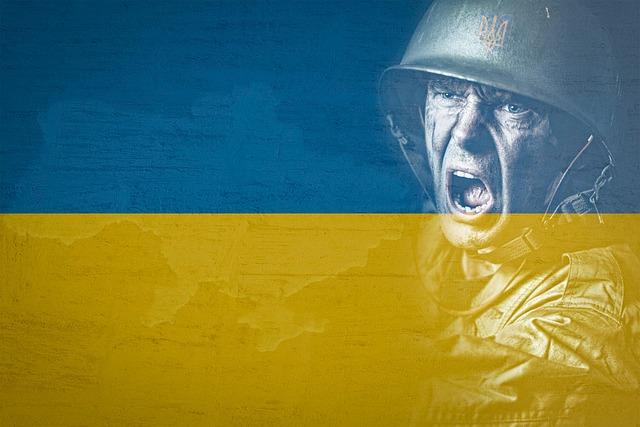
The protracted conflict in Ukraine, once a shocking eruption of violence on the European continent, has settled into a grim routine that increasingly feels normalized to the global public. What began as a sudden and tragic war has evolved into a persistent crisis marked by ongoing devastation, displacement, and geopolitical tensions. As the world’s attention shifts elsewhere, the tragic realities faced by millions in Ukraine risk fading into the background of international news coverage. This article examines how the war’s normalization impacts both the victims on the ground and the broader global community.
The Human Cost Behind the Headlines
Amid the ongoing conflict, it is crucial to remember that behind every statistic lies a human being whose life has been irrevocably changed. Families torn apart, entire communities uprooted, and countless civilians caught in the crossfire paint a harrowing picture rarely conveyed in headlines. The relentless barrage of news may desensitize global audiences, but the profound personal losses endured by individuals stand as stark reminders of war’s devastating impact.
The devastating toll is reflected in the following key figures:
- Civilian casualties: Over 15,000 confirmed deaths since the conflict began.
- Displacement crisis: More than 6 million internally displaced and refugees worldwide.
- Children affected: Nearly 4 million children deprived of education and safety.
| Category | Impact | Estimated Numbers |
|---|---|---|
| Civilian Deaths | Lives lost due to direct conflict | 15,000+ |
| Displaced Persons | Individuals forced to flee homes | 6,000,000+ |
| Children Affected | Access to basic education and security disrupted | 4,000,000+ |
The Growing Risk of Global Complacency
As months stretch into years, the world’s reaction to the ongoing conflict risks slipping into a dangerous pattern of indifference. Once shockwaves of condemnation and calls for urgent intervention dominated headlines, but fatigue has dulled the global conscience. This gradual desensitization is evident in diminishing foreign aid, reduced media coverage, and a general retreat from diplomatic pressure-symptoms that signal a troubling acceptance of conflict as the new status quo.
Several factors contribute to this troubling shift:
- Competing international crises diverting attention and resources.
- Economic uncertainties leading to prioritization of domestic issues over foreign conflicts.
- Information overload creating apathy among global audiences.
- Geopolitical fatigue weakening unified responses.
| Year | Global Aid (in billion USD) | Media Coverage Index | UN Resolutions Passed |
|---|---|---|---|
| 2022 | 15.6 | 85 | 7 |
| 2023 | 9.8 | 54 | 3 |
| 2024 (Q2) | 4.3 | 32 | 1 |
Urgent Calls for Renewed Diplomatic Engagement
As the conflict endures with devastating consequences, bold and immediate action from the international community has never been more essential. Diplomatic channels, which have long been overshadowed by military escalations, must be revitalized to arrest the mounting human suffering and geopolitical instability. Renewed engagement by global powers should prioritize dialogue frameworks rooted in mutual respect, transparency, and enforceable commitments. The alternative-a prolonged stalemate-threatens not only regional security but also the broader rules-based international order.
Key prerequisites for effective negotiations include:
- Cessation of hostilities as a foundation for trust-building;
- Inclusive representation ensuring voices from all affected communities are heard;
- Robust monitoring mechanisms to verify compliance and prevent violations;
- International guarantees to safeguard any agreements reached.
| Diplomatic Focus | Potential Impact |
|---|---|
| Open Communication Channels | Reduces misinformation and unintended escalations |
| Third-party Mediation | Facilitates impartial conflict resolution |
| Humanitarian Corridors | Ensures aid reaches vulnerable populations |
| Arms Control Agreements | Lowers risk of renewed warfare |
Future Outlook
As the conflict in Ukraine grinds on, what was once a shocking eruption of violence has increasingly settled into a grim routine, both for those living through it and for the international community watching from afar. The normalization of war’s devastation is a stark reminder of the human cost often overshadowed by geopolitical calculations. Amid ongoing negotiations and shifting alliances, the hope remains that renewed attention and concerted action can break this tragic cycle before it becomes permanently etched into the global consciousness.