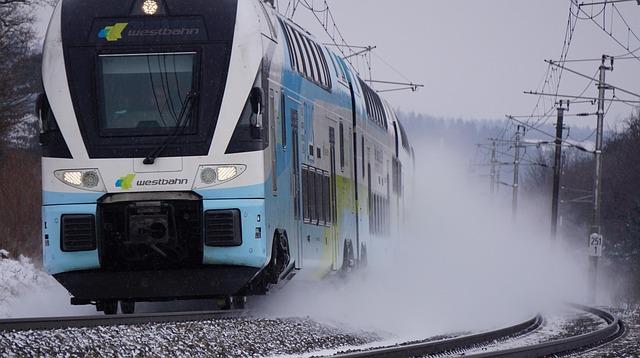
Competition on Austria’s Southern Railway has officially commenced as WESTbahn launches services on the Südbahn route, marking a significant shift in the country’s rail sector. The arrival of WESTbahn, a key private rail operator, introduces a competitive dynamic long dominated by the state-owned ÖBB. This development promises to reshape passenger options, stimulate innovation, and influence pricing strategies along one of Austria’s busiest and most strategic rail corridors.
WESTbahn Enters Competitive Market on Austria’s Southern Railway
Austria’s Southern Railway corridor is witnessing a significant shift as WESTbahn intensifies its presence, challenging the long-standing dominance of incumbent operators. By leveraging modern rolling stock and focusing on customer-centric services, WESTbahn aims to enhance travel options for commuters and tourists alike. The renewed competition is expected to spur innovation and improve service frequency on key routes connecting Vienna with southern regions.
Key developments accompanying this market shake-up include:
- Introduction of environmentally friendly trains with increased seating capacity
- Flexible ticketing options tailored for daily travelers and occasional visitors
- Competitive pricing strategies to attract a broader passenger base
- Investment in digital platforms for seamless booking and real-time updates
| Operator | Route Coverage | Fleet Features | Price Range (€) |
|---|---|---|---|
| WESTbahn | Vienna – Graz | Modern, eco-friendly EMUs | 15 – 35 |
| Incumbent Operator | Vienna – Graz | Mixed fleet, conventional trains | 18 – 40 |
Impact on Passenger Services and Regional Connectivity
WESTbahn’s entry into Austria’s Southern Railway marks a significant shift in passenger service dynamics, promising enhanced competition that benefits travelers. Passengers can anticipate more frequent departures, competitive pricing models, and upgraded onboard amenities that elevate comfort and convenience. This move also pressures incumbent operators to innovate and improve service quality, leading to a collective uplift in the overall rail travel experience.
The increased connectivity spurred by this competition is set to strengthen regional links, particularly between Vienna, Graz, and other key southern urban centers. Local communities and commuters stand to gain from:
- Faster journey times through competitive scheduling and optimized routes
- Greater service frequency enabling flexible travel plans
- Enhanced accessibility fostering economic growth in less connected areas
- Stimulated regional tourism thanks to better transport options
| Route Segment | Current Frequency (trains/day) | Expected Frequency (trains/day) | |||||||||||||
|---|---|---|---|---|---|---|---|---|---|---|---|---|---|---|---|
| Vienna – Graz | 15 | 22 | |||||||||||||
| Graz – Klagenfurt | 8 | 12 | |||||||||||||
| Strategic Recommendations for Stakeholders to Navigate the New Landscape As WESTbahn steps onto Austria’s Southern Railway, stakeholders must adopt proactive strategies to maintain competitive advantage and optimize outcomes. Rail operators should prioritize enhancing passenger experience, integrating digital ticketing solutions, and optimizing scheduling to meet fluctuating demand. Collaboration with local governments and infrastructure managers will be essential to ensure timely upgrades and minimize service disruptions during this competitive phase. Meanwhile, freight and service providers ought to diversify their partnerships and leverage real-time data analytics to streamline operations on this increasingly dynamic route. Investment in innovative technologies will serve as a game-changer for both public and private players in the market. Key focus areas include:
Key TakeawaysAs WESTbahn officially launches its services on Austria’s Southern Railway, the stage is set for a new chapter of competition and choice for passengers traveling this vital corridor. Industry observers will be watching closely to see how the incumbent operators respond and how this development shapes the future of railway travel in the region. With increased rivalry, travelers can anticipate improved service quality, innovation, and potentially more attractive fares, marking a significant shift in Austria’s rail landscape. The coming months will reveal the full impact of WESTbahn’s entry and what it means for the nation’s broader transportation network. ADVERTISEMENT  Related Posts |